Hard science fiction is a tricky beast. It aims to get the science right—or at least close enough that a real physicist won't roll their eyes. That's harder than it sounds because real science doesn't care about plot deadlines or emotional climaxes. Most movies assume audiences won't notice the loopholes, but these ten films do the work anyway. Many had scientists on set checking the math, while others were crafted by obsessive filmmakers who figured it out themselves. Here are some of the best sci-fi movies ever made, perfect for anyone who loves their space stories with a side of real physics.
Contact (1997)
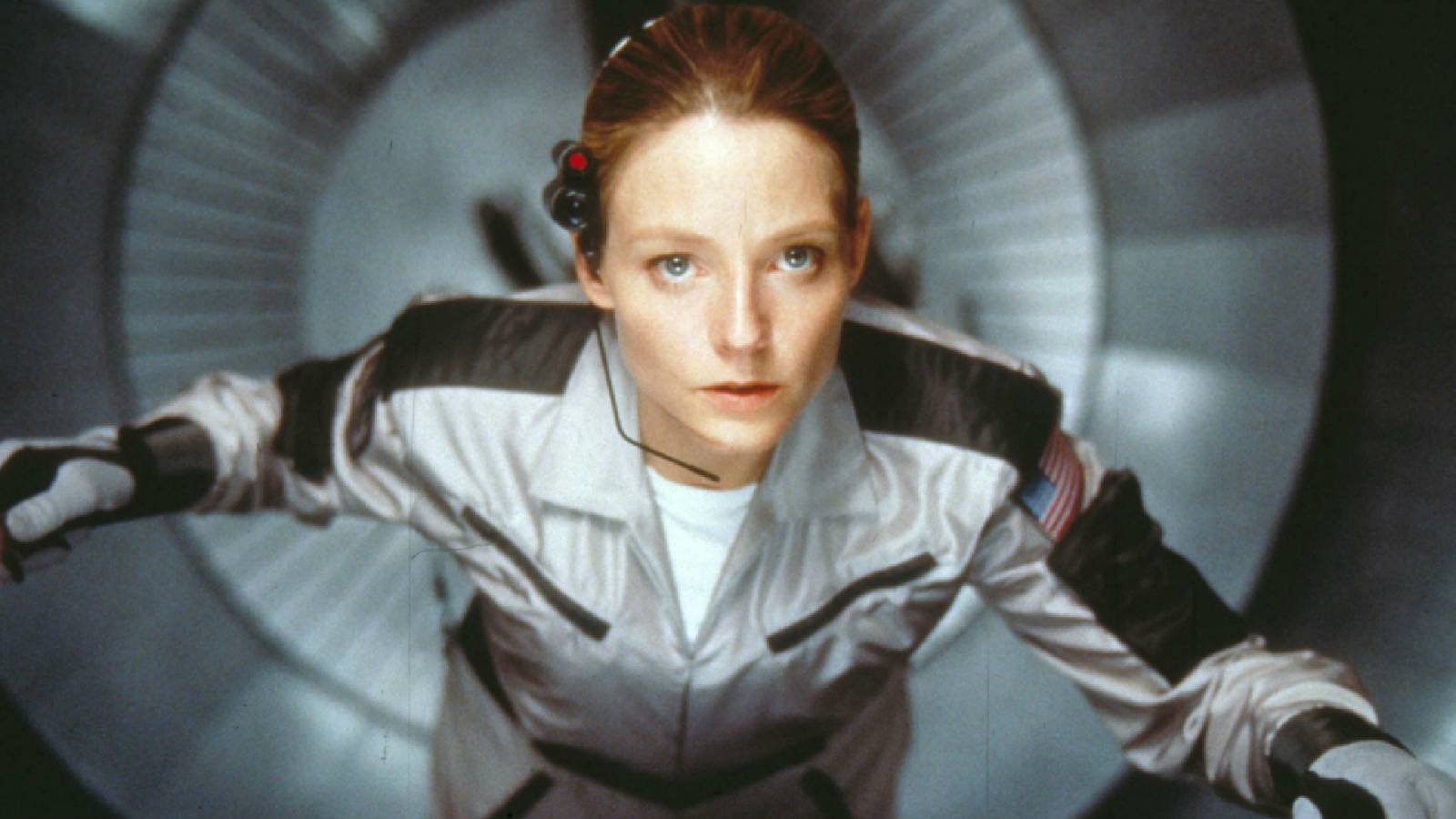
Based on Carl Sagan's novel, this film carries his scientific spirit throughout. Jodie Foster plays Ellie Arroway, a SETI researcher who spends years listening to static before finally picking up a genuine alien signal. The wormhole machine built from that signal was designed with help from physicist Kip Thorne, who later worked on Interstellar. But the real heart of the movie isn't the aliens—it's the honest debate between science and faith, played out between Ellie and Palmer Joss (Matthew McConaughey), with neither side made to look foolish.

Moon (2009)
Sam Rockwell carries this film almost single-handedly, playing multiple versions of a lonely miner stationed on the far side of the moon who begins to question his own identity. Director Duncan Jones made it for just $5 million, using practical models instead of CGI. Kevin Spacey voices GERTY, the base's robot, in a way that echoes HAL from 2001—until GERTY surprises you. The story tackles cloning and corporate exploitation, wrapped in a quiet, haunting space drama.
Primer (2004)
Shane Carruth wrote, directed, starred in, edited, and scored this film for about $7,000—less than a used car. Two engineers accidentally build a time machine in their garage, and instead of dumbing down the science, Carruth lets them talk like real engineers: dense, technical, and hard to follow. Fans have made flowcharts to map the timeline, and there's still no consensus on what actually happens. That ambiguity is the point—real time travel, if it existed, wouldn't make clean sense either.
Gattaca (1997)
In a future where your DNA determines your destiny, Vincent (Ethan Hawke) is born without genetic engineering. He assumes another man's identity—using blood, hair, and urine samples—to pursue a career in space travel. Andrew Niccol uses real 1950s modernist architecture instead of flashy effects, making the future feel eerily plausible. The film's themes of genetic discrimination have only become more relevant as gene-editing technology advances.
The Martian (2015)
NASA consulted on this film and praised its accuracy, from orbital mechanics to the chemistry Mark Watney (Matt Damon) uses to survive on Mars. Author Andy Weir, a former software engineer, did the math himself before writing the book. Watney grows potatoes in his own waste and calculates fuel burns by hand—no movie magic shortcuts. Ridley Scott trusts the audience to follow real problem-solving, and that trust makes the ending deeply satisfying.
Coherence (2013)
During a dinner party, a passing comet causes the guests to slip between overlapping realities, based loosely on the many-worlds interpretation of quantum mechanics. James Ward Byrkit shot the film with only character backstories, letting actors improvise every conversation. The result feels like a real group of panicking friends. Confined to one house and made for almost nothing, it turns a dense physics concept into a gripping thriller.
These films prove that hard sci-fi can be both intellectually stimulating and emotionally resonant. They respect the audience's intelligence and the laws of physics, delivering stories that are as thought-provoking as they are entertaining. For more underrated gems from the 90s, check out our list of hidden sci-fi treasures. And if you're in the mood for more mind-bending cinema, don't miss our picks for 2010s masterpieces.