Horror games have a unique edge over horror movies: they force you to open the door yourself. You control the flashlight, decide whether to investigate that noise, and choose how long you can endure hiding while something searches the room. That fear becomes participation.
These eight titles changed what interactive horror could achieve. While early efforts like House of the Dead were more campy than creepy due to dated graphics, these games weaponize helplessness. They hand you a shotgun and still keep your heart racing. If that sounds like your kind of thrill, read on.
8. Fatal Frame II: Crimson Butterfly (2003)
Fatal Frame II: Crimson Butterfly drops twin sisters Mio and Mayu Amakura into Minakami Village, an abandoned settlement trapped in endless night. When Mayu follows a crimson butterfly deeper into the village, Mio must search through decaying houses filled with vengeful spirits and clues about a forbidden ritual. Her only defense is the Camera Obscura, a supernatural camera that can capture ghosts. Lovely holiday, terrible accommodation.
That camera creates the game's brilliant central tension. Dealing greater damage requires keeping an approaching spirit inside the frame and waiting for the strongest possible shot. Survival means staring directly at the thing every instinct tells you to flee. The slow movement, Japanese folk-horror imagery, and fragile bond between the sisters give the scares real sadness. Its reputation remained strong enough to inspire a complete remake released in March 2026, more than two decades after the original PlayStation 2 game. Start with the lights low, and keep the camera ready.
7. Outlast (2013)
Independent journalist Miles Upshur enters Mount Massive Asylum after receiving tips about secret activity connected to the Murkoff Corporation. The facility has recently reopened under the guise of research and charity, but the corridors tell a different story. Miles finds mutilated bodies, escaped patients, corporate experiments, and several residents who take an immediate dislike to investigative reporting. His main tool is a camcorder. His fighting ability is nonexistent.
Running and hiding had existed in horror games before Outlast, though few titles built such an aggressive rhythm around complete vulnerability. Night vision turns black corridors into grainy green tunnels while limited batteries add pressure to every second spent looking. Lockers offer uncertain shelter, and beds provide just enough space to reconsider every life choice. The chases can become relentless, but the visual identity, found-footage perspective, and commitment to helplessness made it a defining release for a generation of horror players and spectators. Wear headphones—your neighbors deserve to hear the scream naturally.
6. SOMA (2015)
SOMA drops Simon Jarrett into PATHOS-II, an underwater research facility where damaged machines speak like people and the remaining signs of human life raise increasingly disturbing questions. Simon begins with a simple desire to understand where he is. That search expands into a confrontation with consciousness, identity, memory, and the possibility that a person may survive in ways the original person never experiences.
The monsters can still send Simon scrambling beneath desks, though the deepest fear comes from the ideas waiting between those encounters. Frictional Games deliberately wanted a different kind of terror from the primal pursuit found in Amnesia. The studio built SOMA around questions concerning consciousness and what qualifies as human life. Those questions become personal through decisions that initially appear technical. Avoid spoilers at all costs—this is one of those games where an innocent discussion can steal half the experience. Play it slowly, read the terminals, and prepare to think about a coin toss for an uncomfortable amount of time.
5. Amnesia: The Dark Descent (2010)
A man named Daniel wakes inside Castle Brennenburg with almost no memory of his past. A note written by Daniel himself explains that he deliberately erased those memories and instructs him to descend through the castle and kill its master, Alexander. That sounds manageable until the halls begin shifting, creatures start hunting him, and the darkness itself starts damaging his sanity.
Amnesia: The Dark Descent made defenselessness into a complete design philosophy. Daniel cannot defeat the creatures stalking him, so players must hide, run, manage lamp oil, preserve tinderboxes, and decide whether seeing clearly is worth using limited resources. Looking directly at monsters can make the situation worse—very rude of them. Physical interactions also pull the player deeper into the environment as doors are pushed open, drawers are searched, and objects are manipulated by hand. The original release emphasized atmosphere and story over the era's heavily armed action heroes. It succeeded spectacularly. Enter Brennenburg when you have several free hours and no urgent need to feel safe.
4. Alien: Isolation (2014)
Set fifteen years after the original Alien, Alien: Isolation follows Amanda Ripley as she searches for answers about the disappearance of her mother, Ellen. A recovered flight recorder leads her to Sevastopol, a deteriorating space station filled with desperate survivors, hostile androids, corporate secrets, and one fully grown Xenomorph. One is plenty. Creative Assembly understood the assignment.
Sevastopol recreates the chunky computers, analogue screens, industrial corridors, and retro-futuristic aesthetic of the 1979 film. The Alien itself is a relentless predator that learns from your behavior, making every encounter a tense game of cat and mouse. The game's AI ensures no two playthroughs are alike, and the constant threat of being hunted keeps you on edge from start to finish. It's a masterclass in tension, proving that sometimes less is more—one alien is all you need.
3. Resident Evil 4 (2005)
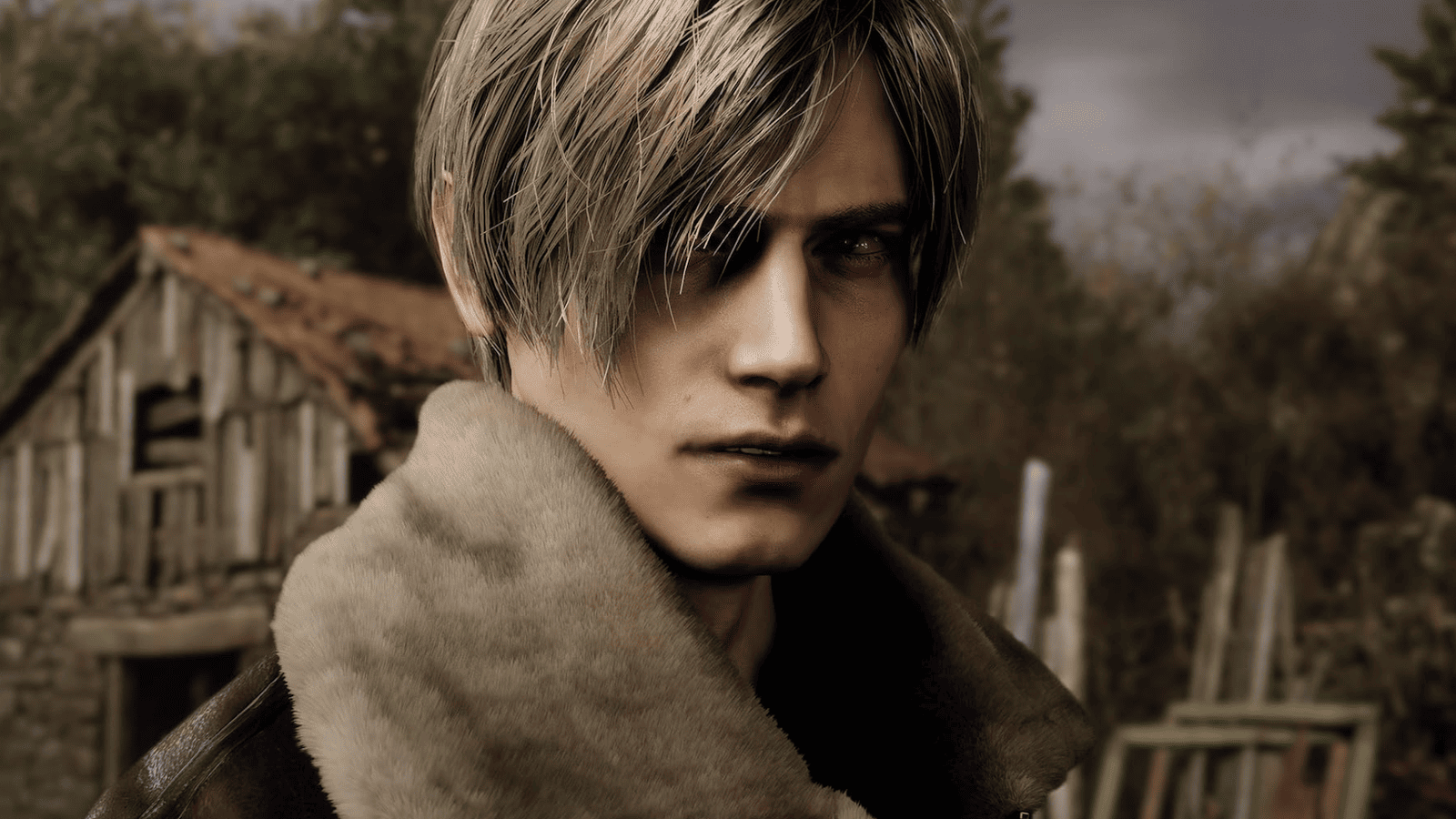
Resident Evil 4 reinvented the survival horror genre by shifting to an over-the-shoulder perspective and emphasizing action while retaining the series' signature dread. Leon S. Kennedy, now a government agent, is sent to rescue the president's daughter from a mysterious cult in a rural European village. The villagers, infected with a parasite, are hostile and relentless, and Leon must use his wits and weapons to survive.
The game's genius lies in its balance of action and horror. You have a shotgun, but ammo is scarce, and enemies are fast and numerous. The famous village fight, the terrifying Regenerators, and the eerie castle sections all contribute to an unforgettable experience. Resident Evil 4 set a new standard for the genre, influencing countless games that followed. It's a must-play for any horror fan, and its recent remake proves its enduring appeal.
2. Silent Hill 2 (2001)
Silent Hill 2 is often hailed as the greatest horror game ever made, and for good reason. James Sunderland receives a letter from his deceased wife, Mary, telling him to meet her in Silent Hill. He arrives to find the town shrouded in fog and filled with monstrous manifestations of his own guilt and trauma. The game's psychological horror is unmatched, with a story that explores themes of grief, punishment, and redemption.
The game's atmosphere is oppressive, with a haunting soundtrack by Akira Yamaoka and disturbing imagery that lingers long after you stop playing. The monsters are symbolic, and the multiple endings encourage replayability. Silent Hill 2 is a masterpiece of storytelling and horror, and its influence can be seen in countless games and films. If you haven't played it, you're missing out on one of the most profound experiences in gaming.
1. P.T. (2014)
P.T., a playable teaser for the canceled Silent Hills, is arguably the most terrifying horror experience ever created. It's a first-person walking simulator that traps you in a looping hallway with a ghostly figure and a series of puzzles. The game's genius is in its simplicity—it's just a hallway, but the constant loop, the changing details, and the psychological manipulation create an unbearable sense of dread.
P.T. was released for free on the PlayStation 4 and quickly became a cultural phenomenon. It was later removed from the PlayStation Store, making it a rare and sought-after piece of gaming history. Despite its short length, P.T. left an indelible mark on the horror genre, inspiring countless imitators and proving that true terror doesn't require elaborate set pieces—just a hallway and a ghost. It's a testament to the power of atmosphere and player choice, and it remains the gold standard for interactive horror.
These eight games have redefined what horror can be in the interactive medium. Whether you're a seasoned horror veteran or a newcomer looking for a scare, these titles offer unforgettable experiences that will stay with you long after you've put down the controller. For more terrifying recommendations, check out our list of forgotten horror gems or dive into classic American horror films for a different kind of scare.