For over a century, American horror cinema has delivered spine-chilling highs and cringe-worthy lows. Yet through every era, visionary filmmakers have crafted nightmares that linger long after the credits roll. From the shadowy castles of early talkies to the suburban streets stalked by masked killers, these films have shaped the genre and left an indelible mark on pop culture.
Here, we rank the ten most essential classic American horror movies—the ones that defined terror, introduced iconic villains, and continue to influence filmmakers today. While many legendary titles like Frankenstein, The Mummy, and The Wolf Man just missed the cut, these ten stand as the pinnacle of fright.

10. Dracula (1931)
Tod Browning's Dracula wasn't the first vampire film—that honor goes to Nosferatu—but it was the first American talkie to bring Bram Stoker's count to life. Bela Lugosi's portrayal became the definitive image of the vampire, draped in German Expressionist shadows that ooze atmosphere. The story follows Jonathan Harker to Transylvania to close a real estate deal, only to find his host has a taste for blood. When Dracula becomes obsessed with Harker's fiancée, Mina, he sails to London, unleashing terror. The film's deliberate pacing and chilling performances make it a timeless classic that still captivates.
9. Night of the Living Dead (1968)
George Romero's debut redefined horror, introducing the modern zombie and using the undead as a metaphor for societal decay. Set against a backdrop of nuclear fear and civil unrest, the film follows Barbara and a group of strangers barricaded in a farmhouse as flesh-eating ghouls surround them. The real horror, however, lies in the breakdown of humanity among the survivors. Romero's gritty, low-budget approach created an authentic terror that spawned countless imitations but never equaled the original.
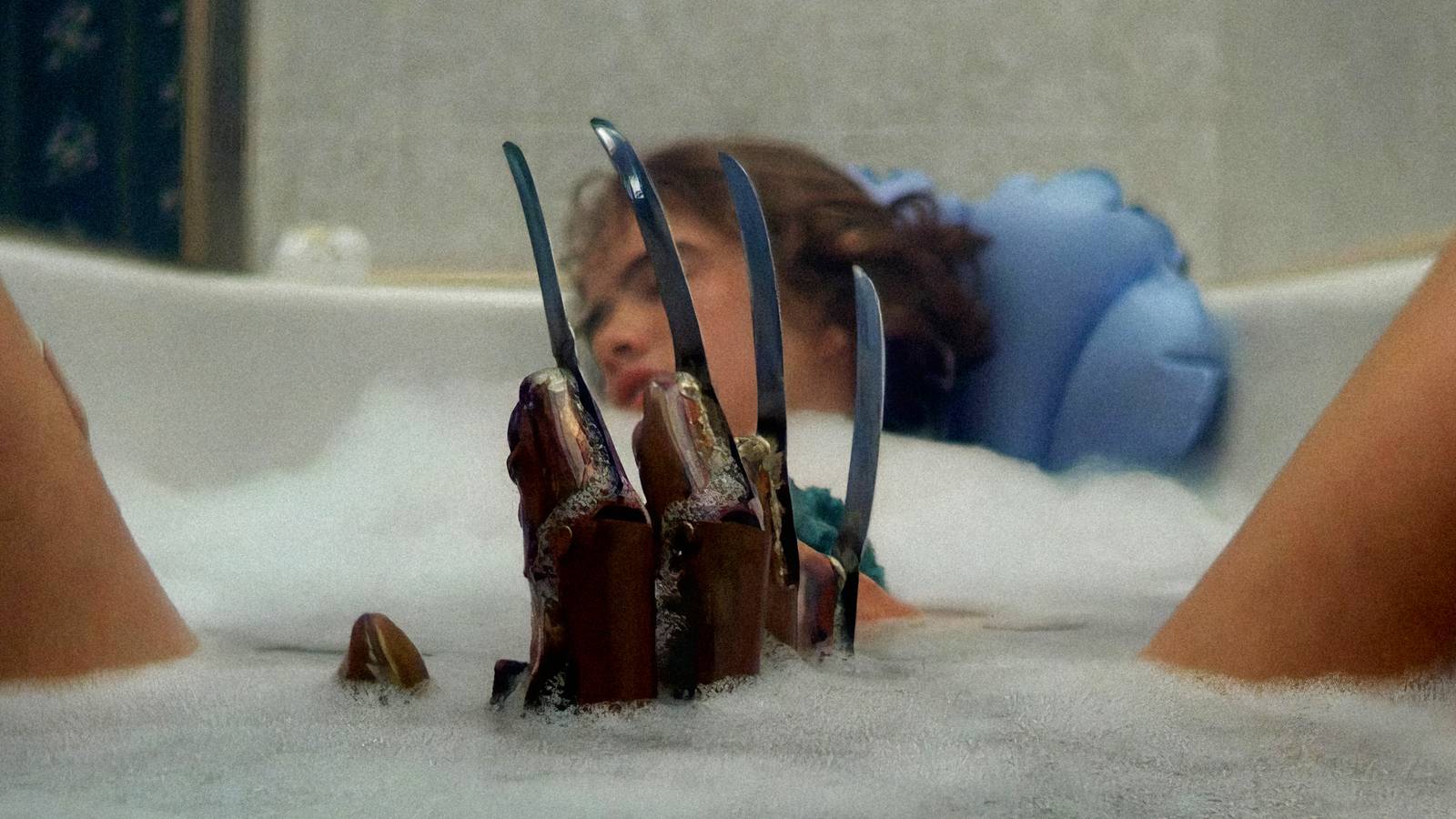
8. A Nightmare on Elm Street (1984)
Wes Craven masterfully blended slasher tropes with supernatural dread in A Nightmare on Elm Street. Freddy Krueger, a burned killer who haunts teenagers' dreams, became an instant icon, blending dark humor with genuine menace. Nancy Thompson, a resourceful high schooler, must stay awake to survive, but sleep is inevitable. The film's inventive kills and psychological twists set it apart, launching a franchise that still resonates. It's a nightmare you won't want to wake from.
7. The Texas Chain Saw Massacre (1974)
Tobe Hooper's The Texas Chain Saw Massacre is a raw, unrelenting descent into madness. Inspired by real-life killer Ed Gein, the film follows a group of friends who stumble upon a family of cannibals in rural Texas. Leatherface, with his mask of human skin and roaring chainsaw, became a symbol of pure, visceral horror. The documentary-style realism and relentless tension make it a landmark of the genre, proving that true terror doesn't need elaborate effects—just raw, primal fear.
6. Psycho (1960)
Alfred Hitchcock's Psycho shattered conventions, killing off its leading lady mid-film and introducing a new kind of psychological horror. Norman Bates, the shy motel owner with a domineering mother, remains one of cinema's most complex villains. The infamous shower scene, scored by shrieking violins, is a masterclass in suspense. Hitchcock's exploration of duality and madness set a new standard, influencing countless thrillers and horror films that followed.
5. The Exorcist (1973)
William Friedkin's The Exorcist brought demonic possession into the mainstream, terrifying audiences with its graphic imagery and profound questions of faith. When young Regan begins exhibiting bizarre behavior, her mother seeks help from two priests who confront an ancient evil. The film's groundbreaking special effects and unsettling atmosphere earned it critical acclaim and a place in horror history. It remains a benchmark for religious horror, sparking debates and nightmares for decades.
4. Halloween (1978)
John Carpenter's Halloween introduced the slasher genre's most enduring figure: Michael Myers. The masked killer escapes from a mental institution and returns to his hometown to stalk babysitters on Halloween night. Carpenter's minimalist score and masterful use of suspense created an eerie, unstoppable force. Jamie Lee Curtis's Laurie Strode became the archetypal final girl, and the film's influence is still felt in every slasher that followed.
3. Rosemary's Baby (1968)
Roman Polanski's Rosemary's Baby is a slow-burn psychological horror that preys on paranoia and isolation. Rosemary, a young wife, becomes pregnant under mysterious circumstances, and her neighbors' overbearing interest hints at a sinister conspiracy. As she descends into madness, the film blurs the line between reality and delusion. Mia Farrow's haunting performance and the film's unsettling ambiguity make it a masterpiece of subtle terror.
2. Alien (1979)
Ridley Scott's Alien merged science fiction with horror, creating a claustrophobic nightmare in deep space. The crew of the Nostromo encounters a deadly extraterrestrial that picks them off one by one. Sigourney Weaver's Ripley emerged as a groundbreaking heroine, and the creature's design by H.R. Giger remains iconic. The film's tension, atmosphere, and shocking reveals set a new bar for sci-fi horror, influencing countless films and franchises.
1. The Shining (1980)
Stanley Kubrick's The Shining is the pinnacle of American horror, a labyrinthine exploration of madness and isolation. Jack Torrance, a writer and recovering alcoholic, takes a job as winter caretaker of the Overlook Hotel, bringing his wife and psychic son. As the hotel's malevolent forces seep into Jack's psyche, he descends into violence. Kubrick's meticulous direction, eerie score, and iconic imagery—like the twins and the blood-filled elevator—create an unforgettable experience. It's a film that rewards repeated viewings, revealing new layers of terror each time.
These ten films represent the best of classic American horror, each leaving an indelible mark on the genre. Whether you're a seasoned horror fan or a newcomer, these are essential viewing for anyone who appreciates the art of fear.