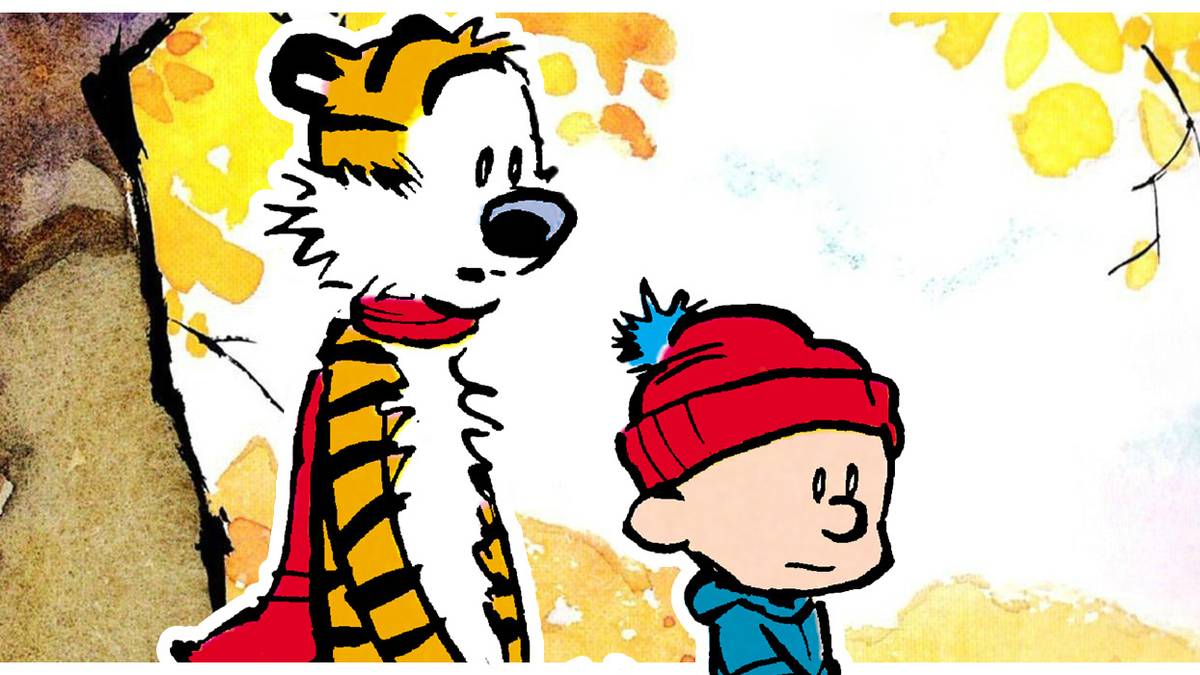
Bill Watterson's Calvin and Hobbes is a comic strip that defies easy labels. On the surface, it's a hilarious romp through the suburban adventures of a six-year-old boy and his stuffed tiger, Hobbes. But beneath the snowball fights and cardboard box time machines lies a profound exploration of childhood, imagination, and the quiet sorrows that come with growing up. Watterson, much like Charles Schulz did with Peanuts, channeled his own adult anxieties into the voice of a child, creating moments that can bring a tear to even the most stoic reader.
Calvin is a boy of immense intelligence and boundless energy, but he's also deeply lonely. He has only one true friend, and that friend is a tiger who exists only in his imagination. This loneliness, coupled with his sharp awareness of the world's imperfections, makes his rare moments of sadness all the more devastating. Here are the eight saddest Calvin and Hobbes strips ever published, ranked by their ability to break our hearts.
8. "I Don't Need Him for a Friend"
Calvin's relationship with his neighbor Susie Derkins is a complex one. He constantly rejects her friendship, insisting that girls are gross and not allowed in his club with Hobbes. Yet, there are hints that he cares for her more than he lets on. This strip flips the script, showing Susie's perspective. After yet another rejection, she vents her frustration, trying to convince herself that she doesn't need Calvin as a friend. The final panel, showing Susie playing alone, is a gut punch. It's a stark reminder that Calvin isn't the only lonely kid on the block, and his casual cruelty has real consequences.
7. "Let's Pretend I Already Feel Terrible About It"
Calvin's parents are often portrayed as long-suffering figures, trying to manage their son's chaos with a mix of exasperation and love. But in this strip, we see a rare moment of genuine anger from Calvin's father. When Calvin breaks his binoculars, his dad explodes in a rage, screaming at him. Calvin, usually so confident, breaks down in tears. The final panel shows his father, shaken and regretful, realizing he's crossed a line. It's a powerful depiction of how even loving parents can hurt their children in moments of frustration, and how quickly a child's world can crumble.
6. "If You're Bored, I'll Find Something For You To Do"
This Sunday strip is a visual masterpiece that captures Calvin's profound isolation. He tries to engage his parents by turning them into monsters in his imagination, but they dismiss him, too wrapped up in their own concerns. Dejected, Calvin retreats to his room and stares out the window, transforming his suburban street into a desolate alien landscape. The art is stunning, but the message is heartbreaking: Calvin feels utterly alone, even in his own home. He's a boy who lives in his head because the real world doesn't offer him the connection he craves.
5. "That's Why Animals Are So Soft and Huggy"
Calvin is often cynical about human nature, but he has a pure, uncomplicated love for animals. This two-panel strip is a masterclass in emotional economy. Calvin, looking troubled, says, "People are so mean." Hobbes, ever the comforting presence, is there. Calvin continues, "That's why animals are so soft and huggy." It's a simple observation, but it speaks volumes about Calvin's need for unconditional love and his disillusionment with the world. It's a sentiment that resonates with anyone who's ever found solace in a pet after a rough day.
4. "I Suppose It Will All Make Sense When We Grow Up"
Death is a recurring theme in Calvin and Hobbes, and this Sunday strip tackles it head-on. Calvin and Hobbes find a dead bird, and Calvin is struck by the fragility of life. He ponders the inevitability of death, and the fear that comes with it. "I suppose it will all make sense when we grow up," he says, but Watterson's art and dialogue suggest otherwise. The strip is a poignant meditation on mortality, and the realization that some questions have no answers, no matter how old we get.
3. "He's Not Gone Inside Me"
This multi-day storyline is arguably the most emotionally devastating in the entire comic. Calvin and Hobbes find a sick raccoon and try to nurse it back to health. They bring it to Calvin's parents, who do their best, but the raccoon dies. In the final strip, Calvin's father delivers the news with a tenderness that is both beautiful and heartbreaking. He tells Calvin that the raccoon didn't die alone, and that it knew it was loved. Calvin, trying to process his grief, says, "He's not gone inside me." It's a profound statement about how love persists even after death, and it's a moment that has brought many readers to tears.
2. The Final Strip: "It's a Magical World"
While not a traditional "sad" strip, the final Calvin and Hobbes comic is bittersweet in a way that lingers. Calvin and Hobbes sled down a hill, and Calvin reflects on the wonder of the world. "It's a magical world, Hobbes, ol' buddy... let's go exploring!" The strip ends with them sledding into the unknown, leaving readers with a sense of loss and gratitude. It's the end of an era, and the knowledge that we'll never see these characters again makes it one of the saddest moments in comic strip history.
1. "I'm Not Ready to Grow Up"
This strip, from the final year of the comic, captures the essence of Calvin's fear of growing up. He tells Hobbes, "I'm not ready to grow up." Hobbes, in his wise, understated way, replies, "You don't have to be." It's a simple exchange, but it's loaded with meaning. Calvin is afraid of losing his imagination, his innocence, and his friendship with Hobbes. The strip is a reminder that growing up is a loss, and that the child inside us never fully disappears. It's a perfect ending to a comic that was always about the magic of childhood, and it's the saddest because it says goodbye.
These strips are a testament to Watterson's genius. He could make us laugh with a snowball fight, and then break our hearts with a single panel. Calvin and Hobbes remains a beloved classic because it speaks to the universal human experience, and these sad moments are a big part of why. For more on the power of imagination in storytelling, check out our list of the best fantasy TV shows of the last five years.