Sci-fi shows often get lost in their own grand ideas. Give a series time travel, alien overlords, or a machine that predicts the future, and suddenly every conversation becomes a lecture on how the tech works. Characters get buried under convoluted theories, and by the time the plot kicks in, you're too exhausted to care who lives or dies. That's a shame, because the greatest science fiction has always been about people—not the impossible things happening around them.
Fortunately, some miniseries get that balance right. They use their wildest concepts to tell intimate, personal stories about grief, love, family, and the choices we make when the world stops making sense. And because these stories have a beginning and an ending, every episode earns its place. Here are eight sci-fi miniseries that are bangers from start to finish.
Childhood's End (2015)
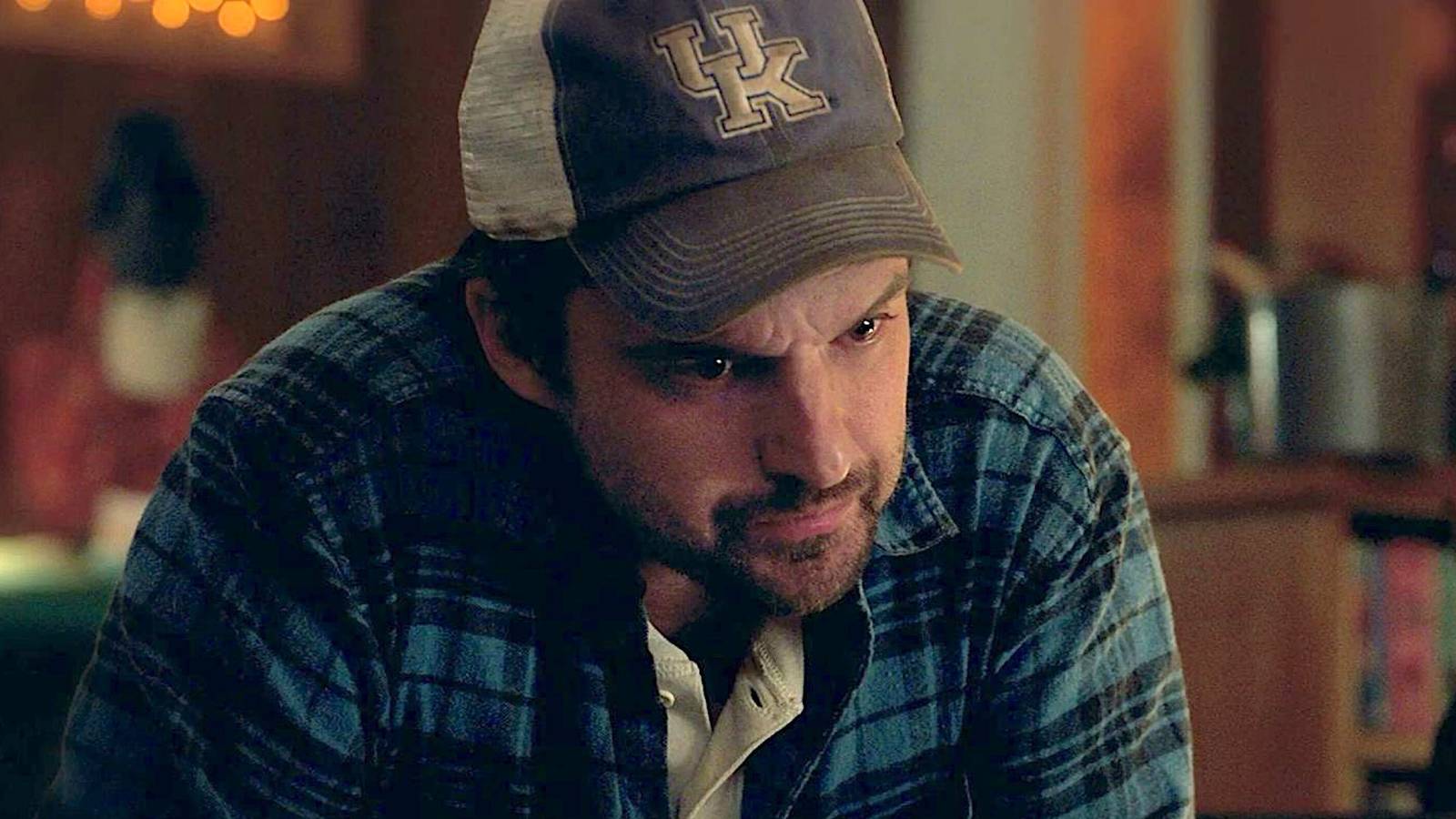
Childhood's End opens with alien ships hovering over every major city. Karellen (Charles Dance) promises an end to war, communicating through farmer Ricky Stormgren (Mike Vogel). But Karellen keeps his face hidden, leaving Ricky with questions humanity can't ask its new ruler directly.
Then the story leaps forward. Jake (Ashley Zukerman) and Amy Morrel (Hayley Magnus) watch their children develop abilities they can't explain. Their world has peace and abundance, but they can't raise their kids into adulthood or share what they're becoming. That shift—from a farmer seeking answers from one alien to parents with no one to ask—is why this show hurts. And that ending? It knows how to make a perfect world feel like the worst nightmare.
The Lost Room (2006)
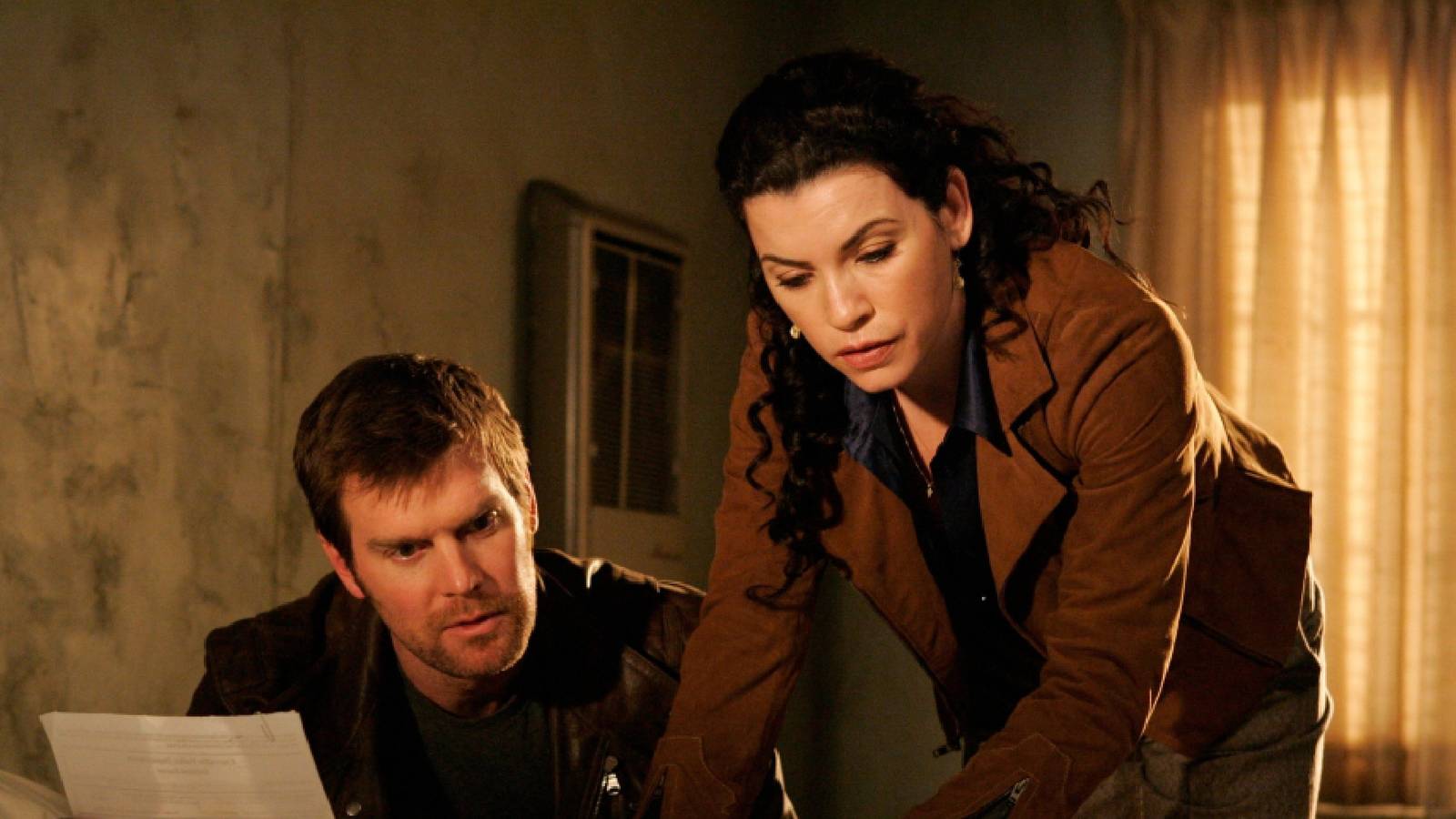
A key opens any door into the same motel room. A comb stops time. A bus ticket sends its holder elsewhere. That's the bizarre mystery of The Lost Room, and it only gets stranger. Detective Joe Miller (Peter Krause) stumbles onto these objects after a murder investigation leads him to Room 10 at the abandoned Sunshine Motel. Then his daughter Anna (Elle Fanning) vanishes inside the room.
Others want the key for its power over every door, but Joe just wants his daughter back. His search takes him through the secret rules and rival factions that have formed around the objects, yet the strange powers never matter as much as a father checking another empty room. That's what makes it gripping—Joe has no time to fall apart while he tries the next key, the next clue, the next door. For all its mysteries, it comes down to one painfully simple thing: a father just wants his daughter back.
Cyberpunk: Edgerunners (2022)
Cyberpunk: Edgerunners follows Gloria (Gloria Garayua), who takes extra emergency shifts to keep David (Zach Aguilar) at Arasaka Academy. After an ambulance crash kills her, he finds the military Sandevistan among the cyberware she stole from bodies at work. He installs it in his spine and uses it against the classmates who torment him.
Lucy (Emi Lo) shows him a braindance of the moon. She wants to go there for real, and David makes getting her there his goal. Maine (William C. Stephens) loses control, David adds more implants, and Lucy begs him to stop. Each dose of immunosuppressants helps him keep using the Sandevistan, but it can't protect him forever. And here's what makes it so heartbreaking: Lucy actually makes it to the moon, just like she always wanted. But David isn't there, and suddenly, getting everything she dreamed of doesn't feel like much of a victory.
Maniac (2018)
Can a three-day pill trial help with heartbreak? Maniac takes that ridiculous question surprisingly seriously—impressive for a show where two strangers keep waking up in increasingly bizarre versions of reality. Annie (Emma Stone) joins hoping to revisit the last car ride with her sister Ellie (Julia Garner), while Owen (Jonah Hill), recently fired, is pressured by his family to deny his schizophrenia diagnosis. At Neberdine, the pills send them into staged roles as thieves, spies, and strangers who keep meeting.
Their waking selves barely speak, while the drug scenarios repeatedly place them together. Annie relives her argument with Ellie before the crash, while Owen tries to work out whether his brother's legal trouble is real or part of his illness. Annie and Owen make each fantasy funny enough to enjoy, then seem visibly drained when the pills wear off. When Annie decides Owen shouldn't be left alone, it feels earned because she knows what it's like to be dismissed while trying to explain that she's in pain.
Taken (2002)
Russell Keys (Steve Burton) returns from a World War II mission with missing time and nightmares nobody believes. Meanwhile, Owen Crawford (Joel Gretsch) sees the Roswell crash as a career opportunity and helps bury what happened. Sally Clarke (Catherine Dent) meets an alien while trapped in an unhappy marriage, then raises a daughter whose origins she can't explain.
Back home, Russell's wife and son live with his fear, while Owen's choices cost him his family's trust. Sally protects Allie (Dakota Fanning) from adults who see her as evidence. Taken follows their families for five decades, with children and grandchildren growing up around secrets their parents won't explain. And that's the crazy thing about this show—you've got aliens, government cover-ups, and decades of mystery, yet the people doing the most damage to these families are the ones who love them.
These miniseries prove that sci-fi doesn't need to sacrifice heart for spectacle. Whether it's a father's desperate search, a lover's impossible dream, or a family torn apart by secrets, the best speculative fiction always comes back to what makes us human. For more great picks, check out our list of top streaming-era miniseries or dive into the most harrowing miniseries ever made.