The 1950s were a transformative decade for Hollywood. As the studio system began to loosen its grip and television threatened to steal audiences, filmmakers responded with some of the most daring and enduring movies ever made. From Technicolor musicals to gritty noirs, the era produced a remarkable range of cinema that still captivates viewers today.
Whether you're a seasoned cinephile or just dipping your toes into classic films, these eight titles represent the very best of the decade. They've aged remarkably well, offering not just nostalgia but genuine emotional and intellectual depth. So grab some popcorn and prepare for a journey through the golden age of storytelling.
8. Sunset Boulevard (1950)
Billy Wilder's scathing critique of Hollywood's obsession with youth and fame stars Gloria Swanson as Norma Desmond, a forgotten silent-film star who lives in a decaying mansion with only her butler and delusions of a comeback. When struggling screenwriter Joe Gillis (William Holden) stumbles into her world, he becomes entangled in her increasingly dangerous fantasy.
Swanson's performance is electrifying, and Holden's weary cynicism provides the perfect counterpoint. The film's noir atmosphere and razor-sharp dialogue make it a must-see, offering a brutally honest look at an industry that discards its own. It's a Hollywood story told from the inside, and it remains as relevant today as it was 70 years ago.
7. Some Like It Hot (1959)
Another Wilder masterpiece, this comedy classic follows two musicians (Tony Curtis and Jack Lemmon) who witness a mob hit and flee by joining an all-female band. Disguised as women, they find themselves in a whirlwind of romantic complications, especially when Joe falls for the band's singer, Sugar Kane (Marilyn Monroe).
The film is a masterclass in comedic timing, with Lemmon's increasingly enthusiastic embrace of his disguise providing some of the biggest laughs. Monroe is at her most charming, and the screenplay is packed with quotable one-liners. The final line is one of the most famous punchlines in movie history, and the film remains a testament to the power of pure entertainment.
6. The Seventh Seal (1957)
Ingmar Bergman's existential drama is a profound meditation on faith, mortality, and the search for meaning. Max von Sydow stars as a medieval knight returning from the Crusades to a plague-ravaged Sweden, where he encounters Death personified. He challenges Death to a chess game, hoping to delay the inevitable long enough to perform one meaningful act.
The film's stark black-and-white imagery is iconic, and von Sydow's performance is hauntingly restrained. While it may sound grim, the film is surprisingly playful at times, and its philosophical depth has made it a touchstone of world cinema. It's a film that rewards repeated viewing and sparks conversation long after the credits roll.
5. Singin' in the Rain (1952)
This joyful musical captures the transition from silent films to talkies, following silent star Don Lockwood (Gene Kelly) as he navigates the challenges of the new technology. His biggest problem isn't the technical aspects but his co-star Lina Lamont (Jean Hagen), whose grating voice is unsuited for sound. With the help of aspiring actress Kathy Selden (Debbie Reynolds) and his friend Cosmo Brown (Donald O'Connor), Don hatches a plan to save the production.
The film is a celebration of pure entertainment, with Kelly's iconic dance number in the rain being one of the most beloved moments in cinema history. The chemistry between the leads is infectious, and the film's clever commentary on Hollywood's evolution adds depth to its dazzling surface. It's a timeless classic that never fails to lift the spirits.
4. Vertigo (1958)
Alfred Hitchcock's psychological thriller is a masterpiece of obsession and manipulation. James Stewart plays Scottie Ferguson, a retired detective with a fear of heights who is hired to follow a mysterious woman, Madeleine (Kim Novak). As he becomes increasingly fascinated by her, he is drawn into a web of deception and tragedy.
Stewart gives one of his most complex performances, and Novak is mesmerizing in a dual role. The film's exploration of identity, control, and the male gaze was ahead of its time, and its influence can be seen in countless films since. It's a slow-burn that builds to a devastating climax, and it's widely considered one of the greatest films ever made.
3. 12 Angry Men (1957)
Sidney Lumet's directorial debut is a masterclass in tension and moral reasoning. Set almost entirely in a jury room, the film follows twelve jurors deliberating the fate of a young man accused of murder. What begins as an open-and-shut case becomes a gripping examination of prejudice, doubt, and the weight of justice.
Henry Fonda leads an ensemble cast with quiet determination as the lone juror who votes not guilty, forcing the others to reconsider their assumptions. The film's claustrophobic setting and sharp dialogue create a riveting experience that feels as urgent today as it did in the 1950s. It's a testament to the power of a well-told story and a reminder of the importance of critical thinking.
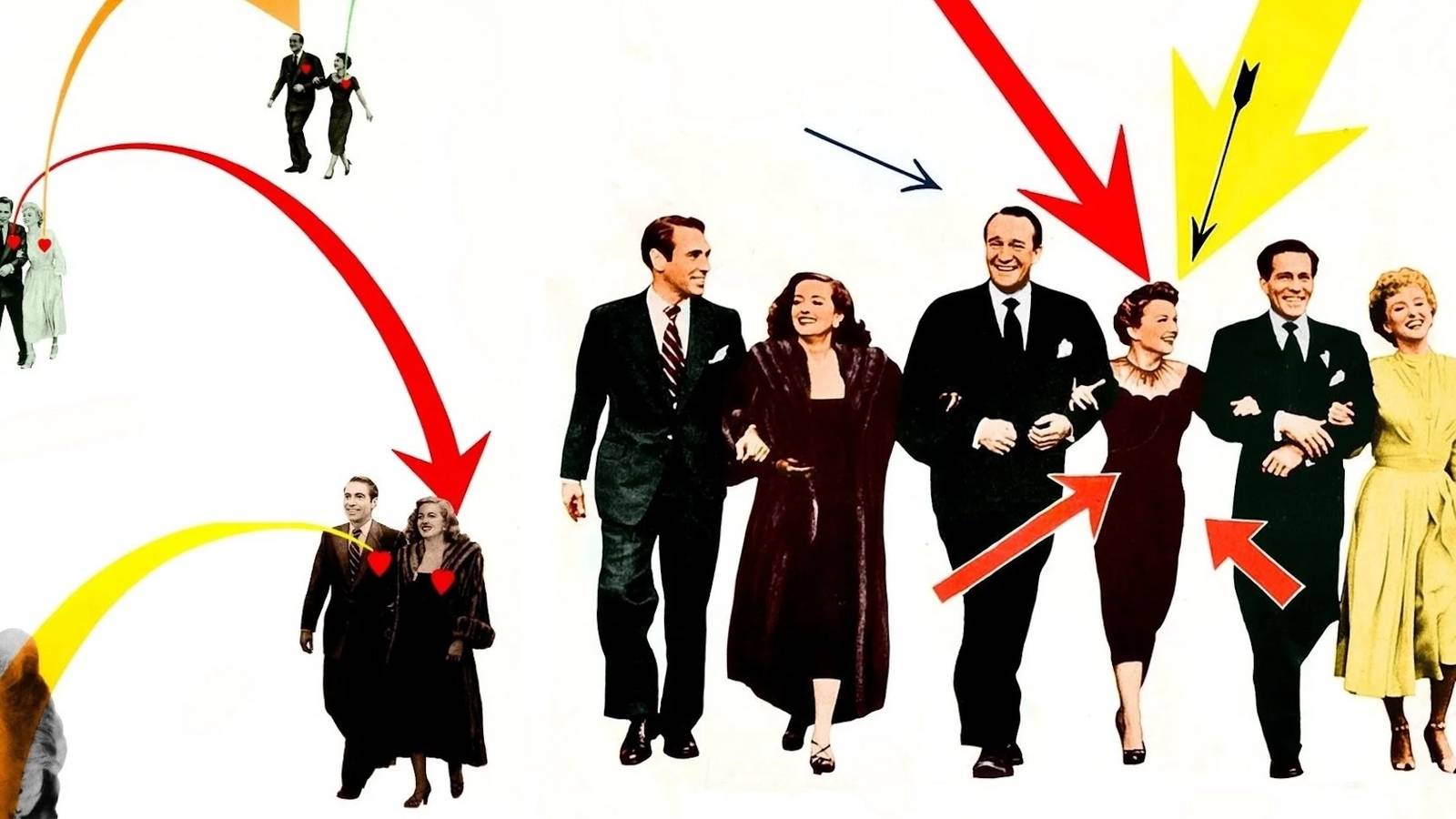
2. All About Eve (1950)
Joseph L. Mankiewicz's witty and cynical drama about the cutthroat world of Broadway stars Bette Davis as aging actress Margo Channing, whose life is upended by the arrival of a seemingly devoted fan, Eve Harrington (Anne Baxter). Eve's ambition and manipulation slowly unravel the lives of everyone around her.
The film is a brilliant exploration of ambition, jealousy, and the masks we wear. Davis delivers one of her most iconic performances, and the supporting cast, including George Sanders and Celeste Holm, is superb. The dialogue is sharp and quotable, and the film's insights into the nature of fame remain startlingly relevant. It's a must-watch for anyone who loves great writing and acting.
1. Seven Samurai (1954)
Akira Kurosawa's epic masterpiece is not only the greatest film of the 1950s but one of the greatest films ever made. Set in 16th-century Japan, it follows a village of farmers who hire seven samurai to protect them from a band of marauding bandits. The film is a sweeping tale of honor, sacrifice, and the class divide.
Kurosawa's direction is flawless, with breathtaking action sequences and deep character development. The film's influence is immeasurable, inspiring countless remakes and adaptations, including some of the most thrilling action movies ever made. It's a film that rewards patience, offering a rich and rewarding experience that transcends cultural boundaries. If you only watch one film from this list, make it this one.
These eight films represent the pinnacle of 1950s cinema, each offering a unique perspective on the human condition. Whether you're in the mood for a laugh, a cry, or a deep philosophical ponder, these classics have something for everyone. So why not start your own marathon and see why they've stood the test of time?