Limited series used to be where networks parked ideas that couldn't sustain a full season. But over the last five years, that's flipped completely. Now, some of the most ambitious, technically demanding television being made arrives in six or eight episodes and then ends—on purpose—before it can overstay its welcome.
Each of these shows committed fully to a single, contained idea instead of stretching it out for a renewal. That commitment is exactly why every one of them still plays as a complete, satisfying whole, in a way that ongoing series almost never manage.
6. The Queen's Gambit (2020)
Costume designer Gabriele Binder color-coded Beth Harmon's (Anya Taylor-Joy) entire wardrobe to mirror actual chess pieces, her outfits growing darker and more commanding as her ranking climbs. Taylor-Joy also trained to move chess pieces the way real grandmasters do—fast, precise, almost aggressive—a detail chess players notice immediately and casual viewers absorb without realizing why it looks so convincing.
The Moscow championship scenes near the end were actually filmed in Berlin, standing in for a Soviet capital none of the production could access. Beth's rise from an orphanage to international chess champion never once feels like it's skipping steps; every single match adds to her story and keeps the ending properly deserved.
5. I May Destroy You (2020)
The show opens with Arabella (Michaela Coel) doing the literal walk of shame home from a party the morning after her drink gets spiked, and that unglamorous, disoriented cold open sets the tone for everything that follows. Coel reportedly met with real assault survivors while writing the scripts, which ensures that the show's messier, more contradictory reactions to trauma actually match how people describe living through it.
Most scenes run without any musical score at all, stripping away the usual emotional cues television normally leans on and leaving everything feeling uncomfortably unfiltered. The show refuses a clean, satisfying justice narrative too, choosing to sit with how unresolved most of Arabella's actual feelings stay even after the story technically ends.
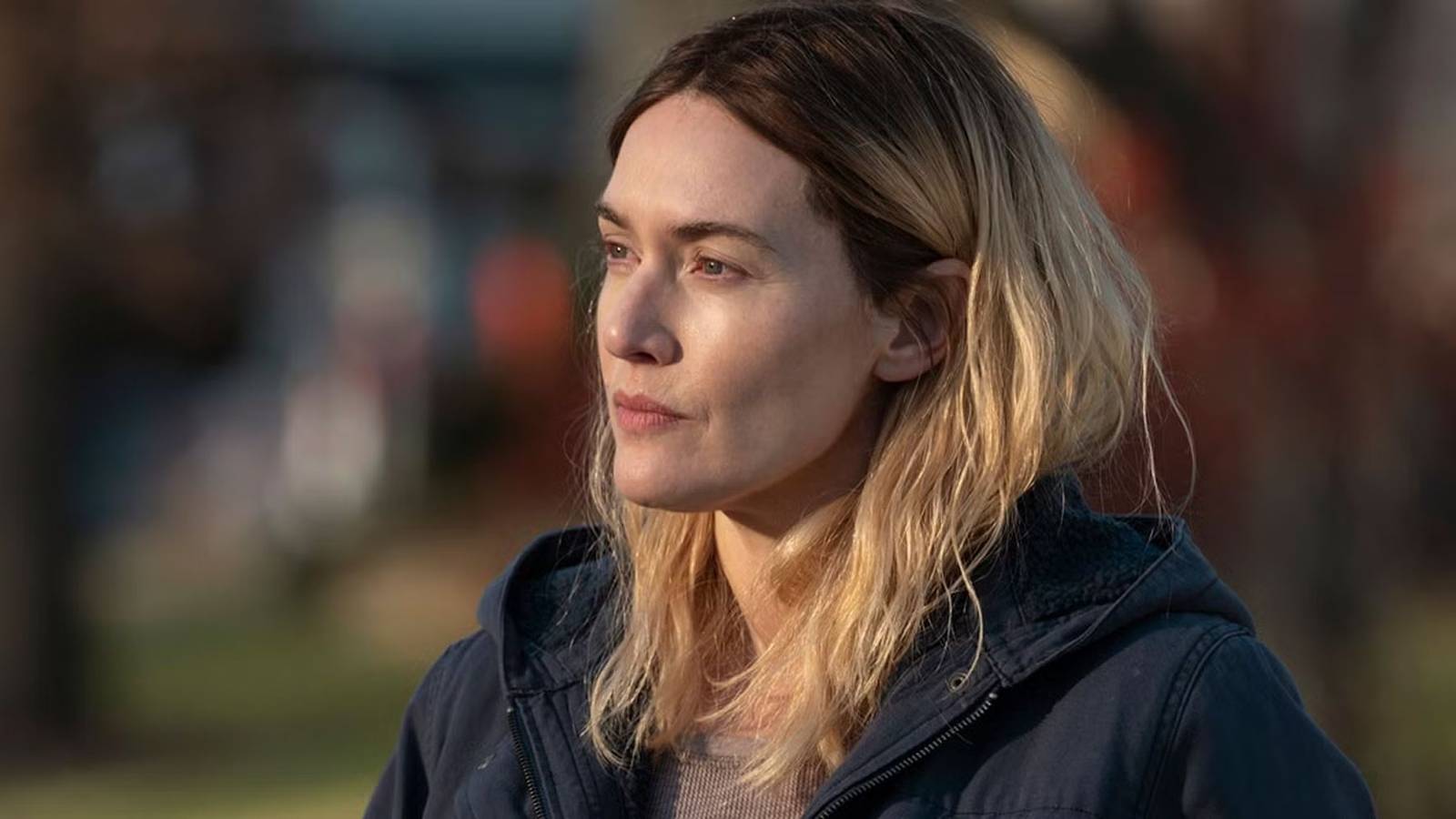
4. Mare of Easttown (2021)
Mare Sheehan (Kate Winslet) investigates the murder of a teenage mother in a small Pennsylvania town while quietly falling apart over her own son's suicide and a custody fight over her grandson. Winslet trained extensively to nail the extremely specific Delaware County accent—thick, clipped, unmistakably local—and the show became something of a regional obsession because of how accurately it captured that world.
Brad Ingelsby wrote the show based on his own hometown, and that familiarity shows in how lived-in every diner, porch, and backyard cookout feels. A local cheesesteak shop mentioned constantly throughout the show turned into real merchandise and memes once the finale aired, an unusually direct crossover between fiction and actual local culture. Jean Smart, playing Mare's sharp-tongued mother, gets some of the funniest lines in a show that's otherwise almost entirely bleak.
3. Beef (2023)
A road rage incident in a parking lot between two total strangers spirals into a months-long campaign of mutual destruction, and neither Danny (Steven Yeun) nor Amy (Ali Wong) seem capable of just letting it go. Lee Sung Jin created the show, using that initial petty grudge to dig into class resentment, suburban rage, and the specific pressures of Asian American identity no one can fully name out loud.
The finale goes somewhere properly strange, both characters ending up stranded together in the desert after eating hallucinogenic berries, forced into the first honest conversation they've had the entire show. It won multiple Emmys, including acting wins for both Yeun and Wong, recognition for two performances built almost entirely on barely contained fury.
2. Baby Reindeer (2024)
Donny Dunn (Richard Gadd), a fictionalized version of Gadd himself, gets stalked relentlessly by a woman named Martha (Jessica Gunning), and the show is based directly on Gadd's own real experience surviving it. One episode includes an extended, almost unbroken confessional monologue direct to camera, where Donny finally reveals a history of sexual abuse by a mentor figure that complicates everything the audience thought they understood about him.
The show avoids turning Martha into a simple villain, letting her come across as pitiable even while her behavior stays terrifying throughout. After release, online sleuths tracked down and harassed the real woman believed to have inspired the character, a disturbing real-world echo of the exact behavior the show was trying to examine. Gadd has said repeatedly that identifying her was never the point, and that the backlash misunderstood what the show was actually trying to do.
1. Adolescence (2025)
Each of the four episodes in this show was filmed as a single, unbroken continuous take, including one that follows characters between multiple floors of a police station and another set entirely inside a school in real time. The technical ambition alone would be enough to earn it a spot on this list, but the story—about a 13-year-old boy accused of murder and the family torn apart by it—is what makes it truly unforgettable.
It's a gripping, emotionally devastating look at how quickly a life can unravel, and the one-take format makes every second feel urgent and inescapable. The best thrillers of the last five years have nothing on this. If you're looking for sci-fi perfection, you won't find it here, but you will find a show that redefines what a limited series can achieve.
These six shows prove that great stories don't need endless seasons. They're perfect as they are—tight, focused, and unforgettable.