Parallel universes have long been a cornerstone of science fiction, offering a mirror to our own world while exploring the endless 'what ifs' of existence. These alternate realities let creators bend the rules of time, identity, and consequence, resulting in some of the most thought-provoking television ever made. Whether it's a dark reflection of our own world or a wildly different dimension, these shows use the multiverse to ask big questions about fate, choice, and what it means to be human.
Here are the sci-fi series that have mastered the art of the parallel universe, delivering stories that are as entertaining as they are profound.
Sliders (1995–2000)
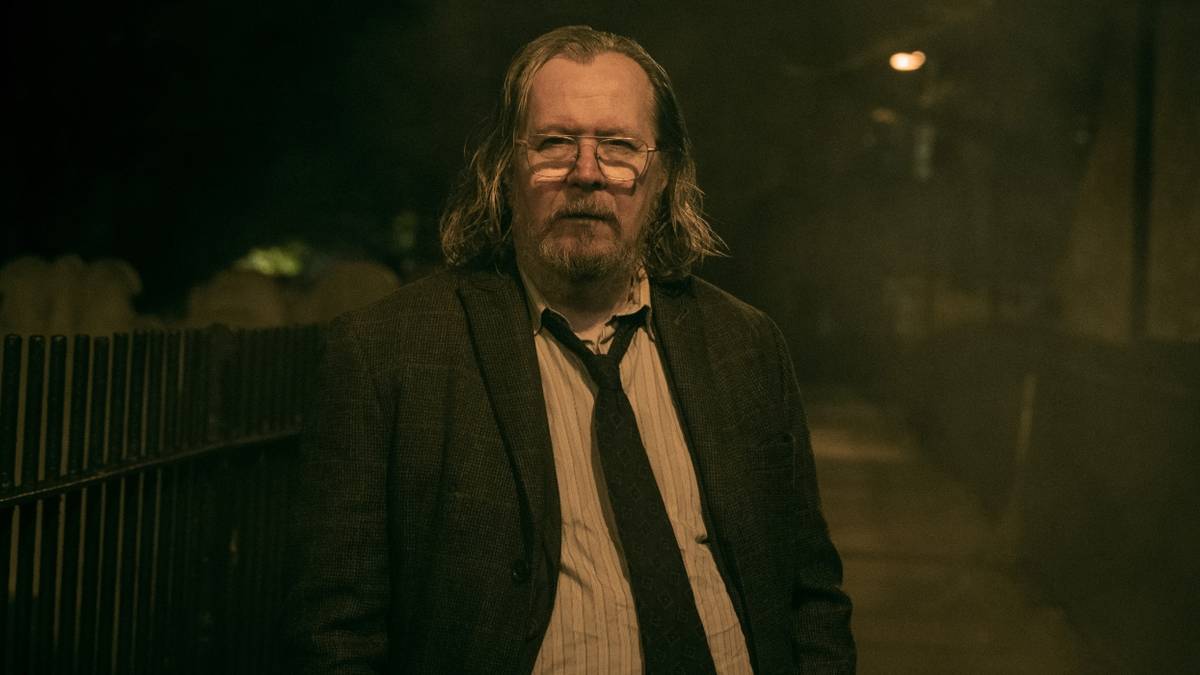
This classic series follows a group of travelers who, after a botched experiment, find themselves hopping between parallel Earths via a wormhole. Each dimension offers a new twist on reality—some are dystopian, others are eerily familiar, and all are fascinating. Sliders was ahead of its time, tackling themes like overpopulation, consumerism, and pharmaceutical control decades before they became mainstream concerns. Now streaming for free on Tubi, it's the perfect time to rediscover this groundbreaking show that remains a benchmark for multiverse storytelling.
The Flash (2014–2023)
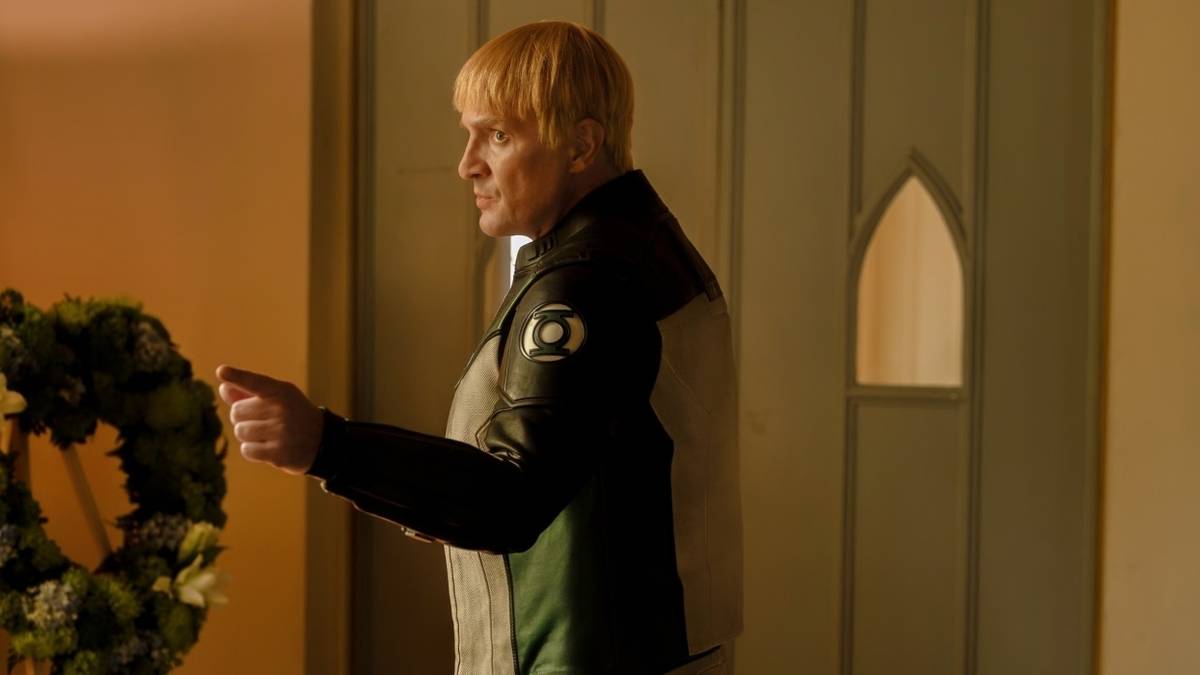
Barry Allen's journey as the fastest man alive isn't just about speed—it's about the ripple effects of time and choice. The CW series frequently dips into alternate timelines and doppelgängers, showing how one small change can spiral into a completely different world. From evil versions of the hero to manipulative friends, these parallel universes feel close enough to home to be unsettling. The show's strength lies in its exploration of identity and the fragile web of relationships that define us.
Loki (2021–2023)
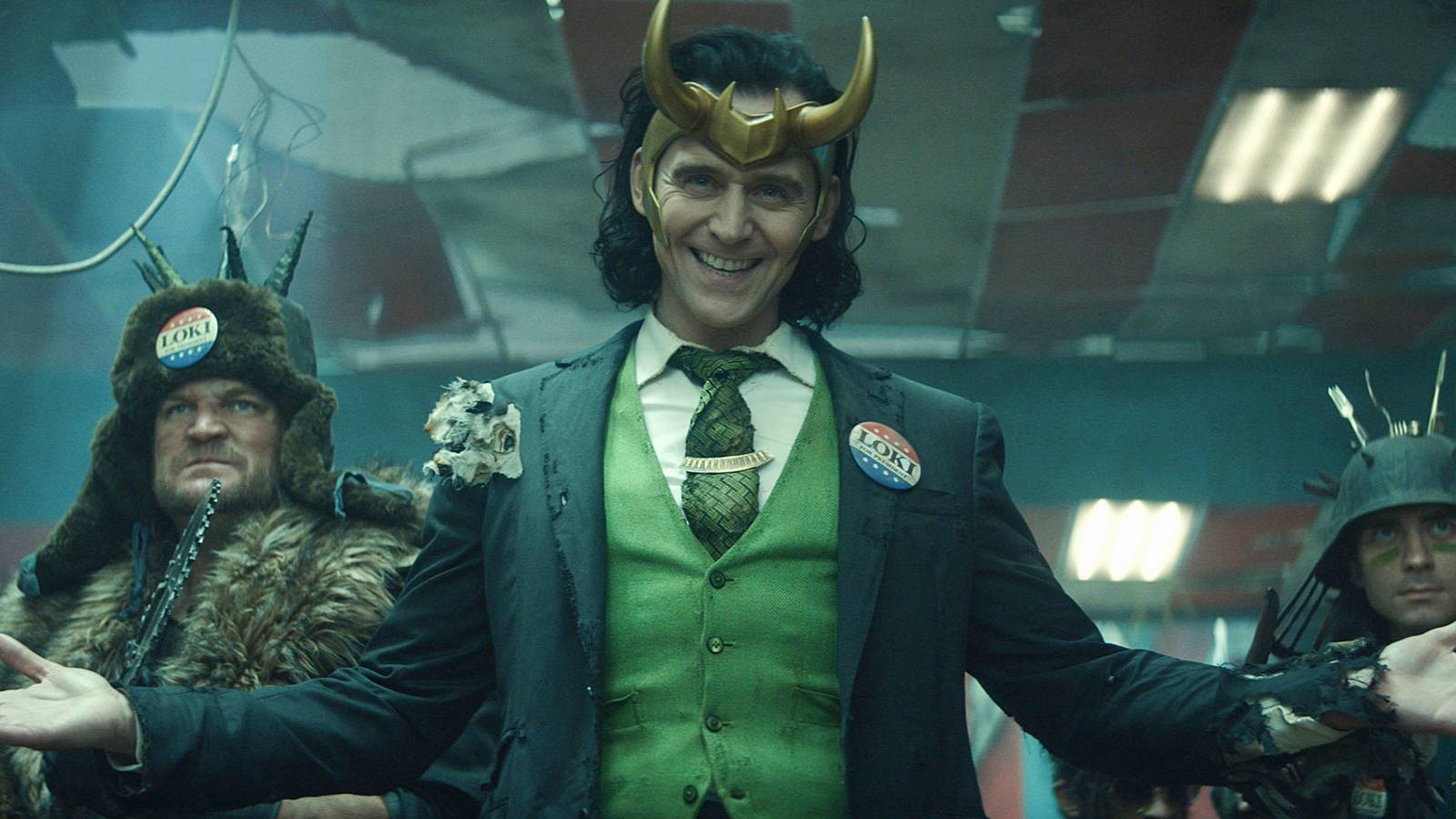
Marvel's trickster god gets a second chance at redemption in this Disney+ hit. After escaping his timeline, Loki is recruited by the Time Variance Authority to fix broken branches in the sacred timeline. Along the way, he encounters multiple variants of himself—some older, some younger, some alligator—each offering a new perspective on his character. Loki makes complex multiverse theory accessible, blending action, humor, and philosophical questions about free will versus destiny. It's a cerebral yet wildly entertaining ride that redefines what a superhero show can be.
Stranger Things (2016–2025)
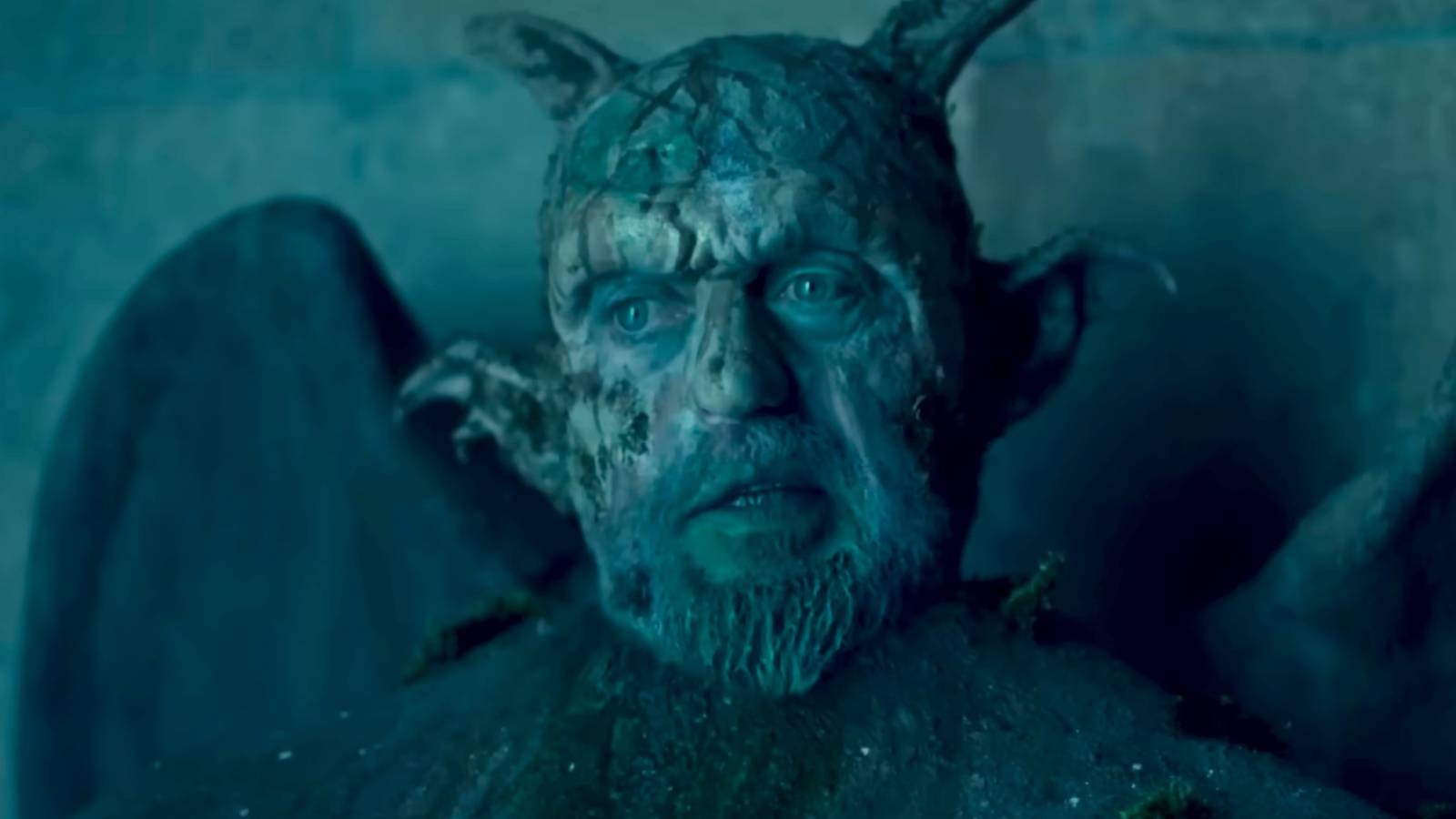
The Upside Down is arguably the most iconic parallel universe in modern TV. This dark mirror of Hawkins, Indiana, is a decaying, vine-covered version of the town, filled with terrifying creatures and a malevolent force. What makes it so chilling is its familiarity—it's not some alien world, but a twisted version of home. The show's blend of 1980s nostalgia, supernatural horror, and heartfelt character drama made it a global phenomenon and a masterclass in building a parallel dimension that feels both alien and personal.
Doctor Who (1963–present)
The longest-running sci-fi series in history has explored parallel universes in countless ways, from alternate versions of Earth to pocket dimensions. The Doctor's travels often take him to worlds that are almost like ours, but with crucial differences that challenge his—and our—assumptions. Whether it's a universe where the Time Lords never fell or a reality where the Doctor is a woman, Doctor Who uses parallel worlds to explore themes of identity, morality, and the consequences of our choices. It's a testament to the show's enduring appeal that it can still surprise us after six decades.
These shows prove that parallel universes are more than just a sci-fi gimmick—they're a lens through which we can examine our own world and the infinite possibilities that lie within it. Whether you're a fan of heart-pounding action, mind-bending philosophy, or emotional drama, there's a multiverse story here that will leave you thinking long after the credits roll.