Not every movie is designed to make you feel good. Some of the most powerful cinema of the last 25 years has been crafted to unsettle, to force viewers into uncomfortable corners of the human experience—grief, guilt, trauma, violence, mortality, and loneliness. These are the films that stay with you long after the credits roll, not because they're fun, but because they're true.
From intimate character studies to harrowing historical dramas, the following movies represent the heaviest of the modern era. They are emotionally devastating, psychologically exhausting, and spiritually haunting. Here are the 10 heaviest films of the last 25 years, ranked.
10. 'Blonde' (2022)
Andrew Dominik's Blonde reframes Marilyn Monroe's life as a psychological horror film rather than a traditional biopic. Ana de Armas plays Norma Jeane, a woman slowly consumed by the persona of Marilyn, her identity fractured under the weight of fame, exploitation, and lingering trauma. The film immerses viewers in a bleak internal experience, with surreal, nightmarish sequences that suggest Monroe became less a person than a public fantasy onto which everyone projected their desires. Every powerful institution—Hollywood studios, the media, the men around her—is portrayed as mistreating her, with deeply corrosive effects.
9. 'Antichrist' (2009)
Lars von Trier's provocative art-horror is one of the grimmest cinematic statements on loss. After the accidental death of their child, a couple (Willem Dafoe and Charlotte Gainsbourg) retreats to a remote cabin in the woods, hoping to process their grief. Instead, their relationship unravels into something far darker and more primal. Nature itself becomes hostile, and the boundaries between psychological breakdown and symbolism blur. The film wrestles with ideas about evil, misogyny, sexuality, depression, and whether human beings are fundamentally ruled by chaos rather than reason.
8. 'Irreversible' (2002)
Gaspar Noé's Irreversible is a punishing film about two men (Vincent Cassel and Albert Dupontel) seeking revenge after the brutal assault of the woman they love (Monica Bellucci). The violent sequences are prolonged and presented with unbearable stillness and realism, forcing viewers to sit with fear, vulnerability, and human brutality. The narrative unfolds backward, beginning with rage and vengeance before revealing the events that caused them. Instead of wondering what will happen next, the audience slowly realizes what has already been lost and cannot be undone.
7. 'Manchester by the Sea' (2016)
Casey Affleck won the Best Actor Oscar for his brilliant, bruising performance as Lee Chandler, a withdrawn janitor who returns to his hometown after his brother's death, only to find himself responsible for his teenage nephew (Lucas Hedges). Fragments of Lee's past reveal the trauma that has defined his life. The film avoids melodrama at every turn—conversations are halting, emotions often suppressed, and moments of connection feel fragile. It offers no cheap catharsis or easy answers, admitting that trauma does not always fully heal.
6. 'Amour' (2012)
Michael Haneke's Amour is as simple as it is devastating. Georges (Jean-Louis Trintignant) and Anne (Emmanuelle Riva) are an elderly couple whose life together is disrupted when Anne suffers a stroke. What follows is a slow, unflinching portrayal of decline and the emotional toll of watching a loved one fade. Haneke directs with stark minimalism, confining much of the film to the couple's apartment. The title becomes almost ironic—the movie contains very little conventional cinematic affection, but gradually reveals a deeper, more frightening idea of love: remaining beside someone even as illness strips away the qualities that once defined them.
5. 'The Father' (2020)
Anthony Hopkins delivers a masterful performance as Anthony, an aging man experiencing dementia who insists he is fine, but the world around him begins to shift in subtle, then increasingly alarming ways. The film parallels Amour in its unflinching look at aging and the unpleasantness people typically avoid discussing. Through its fragmented narrative, The Father forces viewers to experience the disorientation and fear of losing one's own mind.
4. 'The Zone of Interest' (2023)
Jonathan Glazer's The Zone of Interest is a chilling examination of banality and evil. Set just outside Auschwitz, the film follows the commandant's family living in a idyllic home, going about their daily lives while the horrors of the Holocaust unfold just over the wall. The movie's power comes from what it doesn't show—the screams, the smoke, the systematic murder are all implied, making the family's willful ignorance all the more disturbing. It's a film about complicity, denial, and the human capacity to look away.
3. 'Killers of the Flower Moon' (2023)
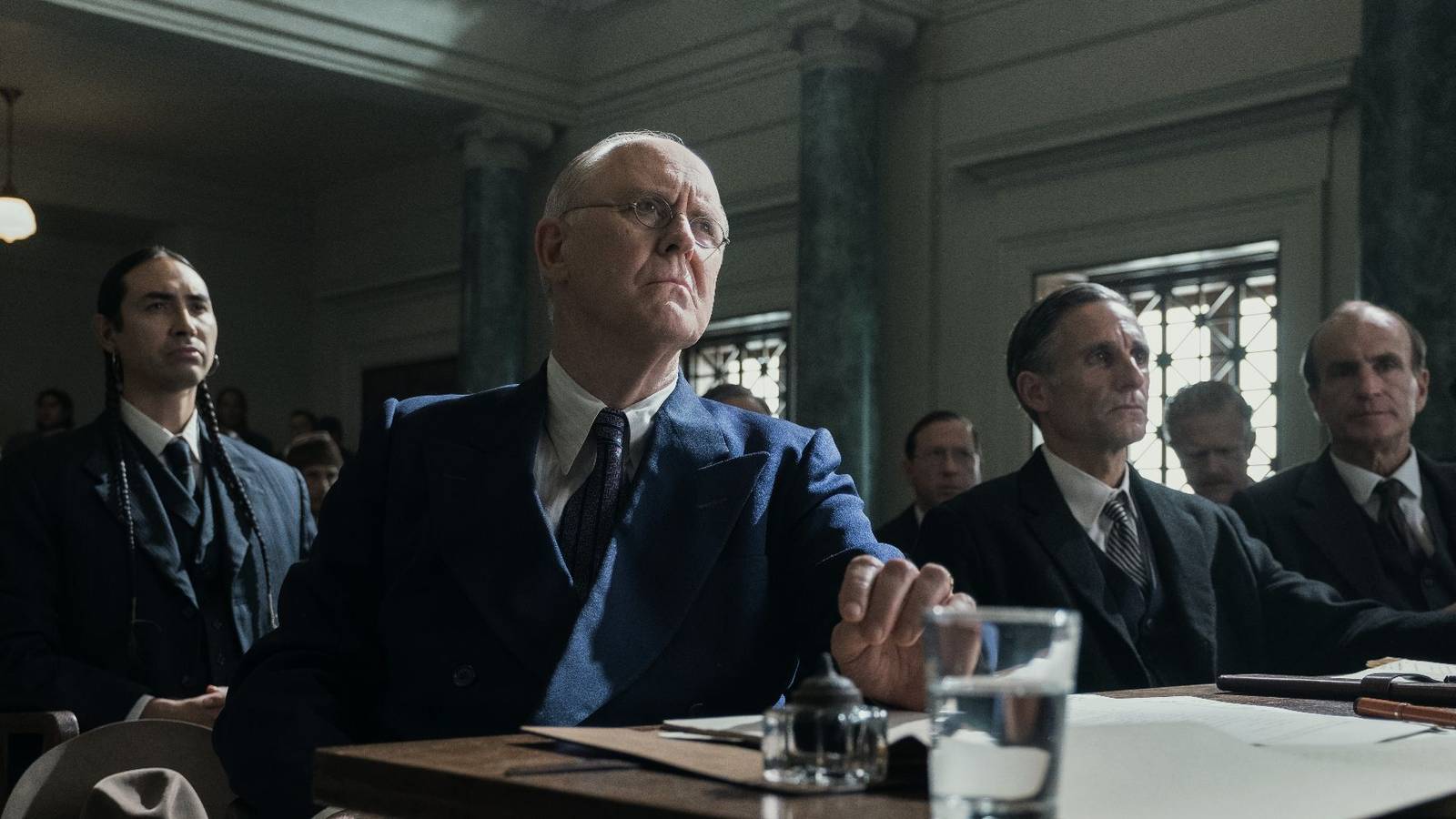
Martin Scorsese's epic historical drama tells the true story of the Osage murders in 1920s Oklahoma, where members of the Osage Nation were systematically killed for their oil wealth. Leonardo DiCaprio plays Ernest Burkhart, a man complicit in the atrocities, while Robert De Niro portrays the mastermind behind the conspiracy. The film is a devastating indictment of greed, racism, and the betrayal of trust, running over three and a half hours but never feeling long. It forces viewers to confront the darkest chapters of American history.
2. 'Requiem for a Dream' (2000)
Darren Aronofsky's Requiem for a Dream is a harrowing descent into addiction. The film follows four characters—Harry (Jared Leto), his girlfriend Marion (Jennifer Connelly), his friend Tyrone (Marlon Wayans), and his mother Sara (Ellen Burstyn)—as their lives spiral out of control due to drug abuse. The film's kinetic editing, haunting score, and unflinching portrayal of physical and psychological deterioration make it one of the most emotionally exhausting movies ever made. The final act is a nightmare from which there is no escape.
1. 'Come and See' (1985)
While technically released before the 25-year window, Elem Klimov's Come and See remains the gold standard for cinematic heaviness. The film follows a young boy in Belarus during World War II who joins the resistance and witnesses unspeakable atrocities. Its unrelenting brutality and surreal, nightmarish imagery make it a film that few can watch more than once. It's a masterpiece of anti-war cinema that leaves viewers shattered.
These films are not for the faint of heart. They demand emotional investment and offer no easy resolutions. But for those willing to engage with the darkest aspects of human existence, they provide a profound and unforgettable experience.