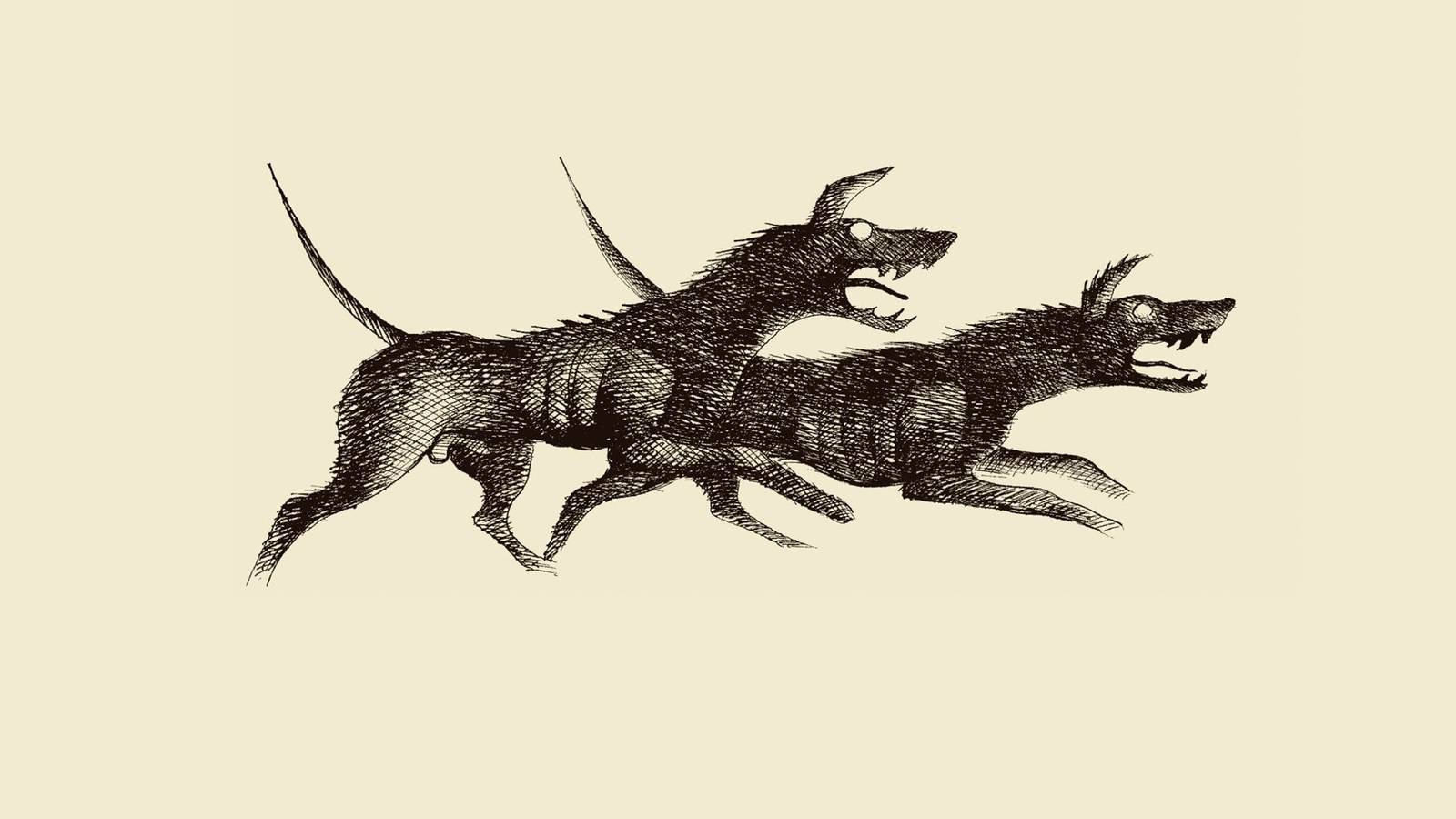
The 20th century was a literary revolution. Writers shattered old forms, embraced new voices, and explored the depths of human experience like never before. From the fragmented narratives of modernism to the global perspectives of postcolonial literature, the era produced an astonishing array of masterpieces. And let's not forget the genre transformations—fantasy, science fiction, and true crime all came into their own. It's no wonder so many of the greatest books ever written emerged between 1901 and 1999.
In this ranking, we celebrate the novels that not only defined their time but continue to resonate today. These are the books that pushed boundaries, challenged readers, and left an indelible mark on culture. Whether you're a seasoned bibliophile or just starting your literary journey, these works are essential reading.

10. Pedro Páramo (1955)
Juan Rulfo's Pedro Páramo is a cornerstone of Latin American literature and a masterpiece of magical realism. Jorge Luis Borges himself called it one of the greatest texts ever written in any language. Though it initially flopped, this haunting tale of a man searching for his father in a ghost town has since become a touchstone for writers worldwide. Its non-linear structure and surreal atmosphere make it a challenging yet rewarding read—a true gem of the 20th century.
9. In Cold Blood (1966)
Truman Capote's In Cold Blood invented the true crime genre as we know it. With meticulous research and cinematic prose, Capote chronicles the brutal 1959 murder of the Clutter family in Kansas. The book reads like a thriller but is grounded in journalistic detail, making it a pioneering work of non-fiction. It's a must-read for anyone fascinated by the darker side of human nature.
8. The Wind-Up Bird Chronicle (1994–1995)
Haruki Murakami's sprawling novel is a surreal exploration of memory, trauma, and identity. Set in Tokyo, it follows a man searching for his missing wife, leading him into a labyrinth of dreams and historical echoes. The book is dense and dark, but its dreamlike prose and profound themes make it one of the greatest Japanese novels ever written. For those willing to dive deep, it's an unforgettable experience.
7. Dune (1965)
Frank Herbert's Dune is the pinnacle of science fiction. This epic tale of politics, religion, and ecology on a desert planet has influenced countless works, from Star Wars to modern video games. It's a cautionary tale about messianic leaders and a meditation on humanity's relationship with the environment. Even if you're not a sci-fi fan, Dune is a must-read for its sheer ambition and depth.
6. The Great Gatsby (1925)
F. Scott Fitzgerald's masterpiece is a tragic love story that critiques the American Dream. Set in the Jazz Age, it follows the mysterious millionaire Jay Gatsby and his obsession with Daisy Buchanan. Though it was a commercial failure during Fitzgerald's lifetime, it's now considered one of the greatest American novels. Its themes of wealth, class, and disillusionment remain as relevant today as they were a century ago.
5. One Hundred Years of Solitude (1967)
Gabriel García Márquez's epic novel is a landmark of magical realism. It tells the multi-generational story of the Buendía family in the fictional town of Macondo. Blending myth, history, and fantasy, it explores themes of love, war, and destiny. This book is a testament to the power of storytelling and a must-read for anyone who loves literature.
4. 1984 (1949)
George Orwell's dystopian classic is more relevant than ever. It paints a chilling picture of a totalitarian regime that controls every aspect of life, from thought to language. The novel's concepts—Big Brother, doublethink, Newspeak—have entered our cultural lexicon. It's a powerful warning about the dangers of unchecked power and a cornerstone of modern political fiction.
3. The Catcher in the Rye (1951)
J.D. Salinger's novel about teenage alienation has resonated with readers for generations. Its protagonist, Holden Caulfield, is a cynical yet vulnerable voice that captures the angst of youth. The book's themes of identity, belonging, and the phoniness of the adult world have made it a staple of American literature. It's a timeless coming-of-age story that still feels fresh.
2. To the Lighthouse (1927)
Virginia Woolf's modernist masterpiece is a stream-of-consciousness exploration of family, memory, and time. Set over two days and a decade, it follows the Ramsay family and their visits to the Isle of Skye. Woolf's prose is poetic and experimental, making this a challenging but deeply rewarding read. It's a cornerstone of modernist literature and a testament to Woolf's genius.
1. Ulysses (1922)
James Joyce's Ulysses is often considered the greatest novel of the 20th century. It reimagines Homer's Odyssey in a single day in Dublin, following Leopold Bloom and Stephen Dedalus. Joyce's experimental style—stream of consciousness, parody, and linguistic play—pushed the boundaries of fiction. It's a dense, demanding read, but those who persevere are rewarded with a profound exploration of human life. For its ambition and influence, it earns the top spot.
These ten books represent the best of 20th-century literature. They challenge, inspire, and entertain—and they prove why this era was truly revolutionary. If you haven't read them yet, now's the time to start.