J.R.R. Tolkien's The Lord of the Rings is a cornerstone of fantasy literature, but its depth goes far beyond epic battles and mythical creatures. The author himself acknowledged in a 1953 letter that his magnum opus was "a fundamentally religious and Catholic work," even if that influence was initially unconscious. While Tolkien avoided the direct allegory that his friend C.S. Lewis employed in The Chronicles of Narnia, he wove his faith into the very fabric of Middle-earth. Nowhere is this more evident than in the trilogy's three central heroes: Frodo, Gandalf, and Aragorn.
Philosopher Peter J. Kreeft, author of The Philosophy of Tolkien, has highlighted how these characters collectively mirror the Old Testament's threefold messianic symbolism: prophet, priest, and king. Each of them undergoes a death-and-resurrection arc and serves as a savior figure, sacrificing themselves to defeat the dark lord Sauron. By splitting these roles among three distinct individuals, Tolkien created a nuanced reflection of Christ's multifaceted nature.
Gandalf: The Prophet
Gandalf, the wandering wizard, embodies the prophetic role. He is a "servant of the Secret Fire," a being akin to an angel, and his actions echo the biblical prophets. He calls Frodo from the comfort of the Shire, urges mercy toward Gollum, and performs miraculous deeds that recall the wonders of Elijah and Moses. His counsel often borders on prophecy, offering wisdom and conviction at critical moments. Most strikingly, Gandalf's death in Moria and his rebirth as Gandalf the White, clad in white robes, evoke Christ's resurrection and the imagery of Revelation.
Frodo: The Priest
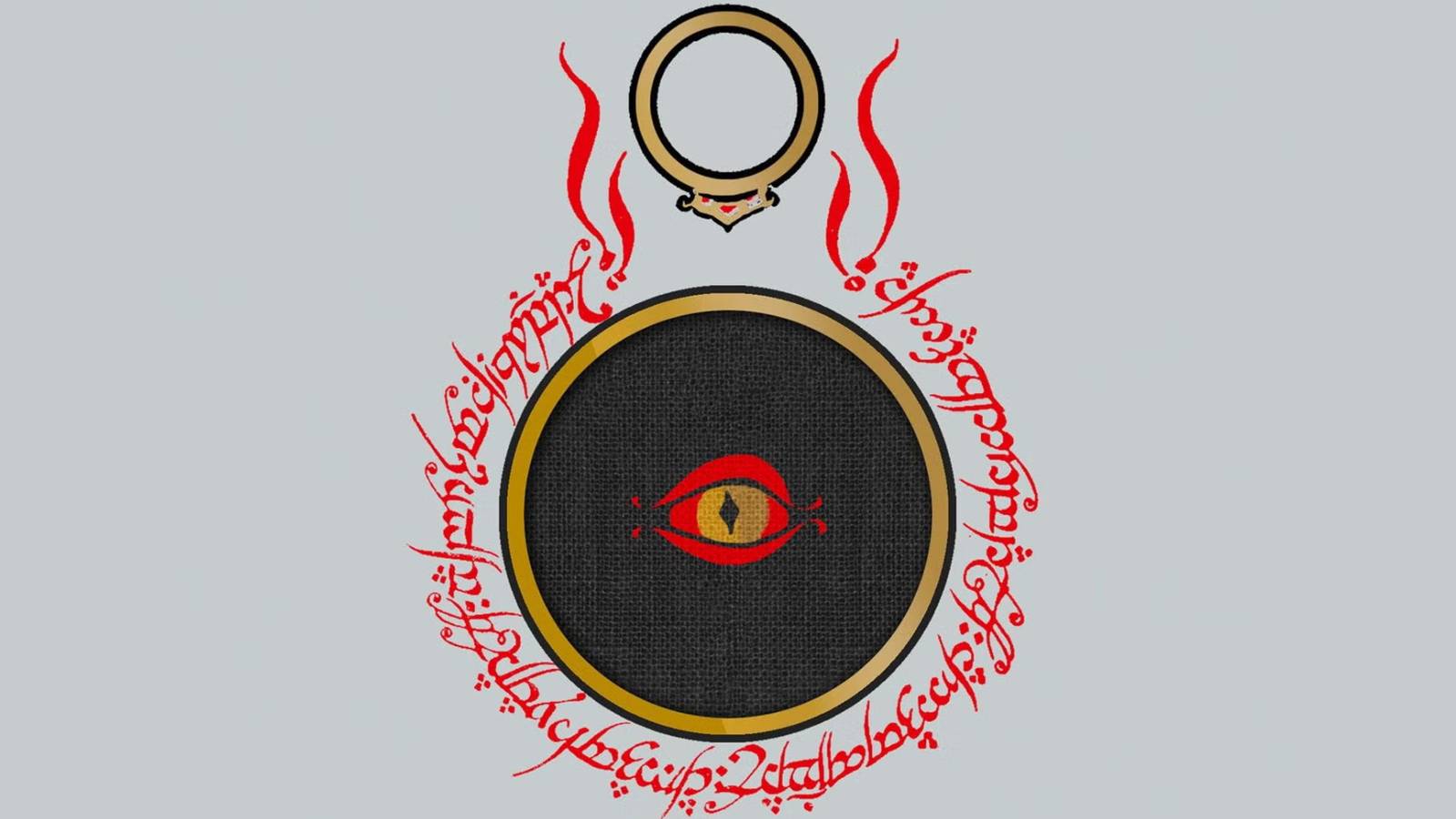
Frodo represents Christ's priestly nature. He takes on the burden of the One Ring, interceding for all of Middle-earth by carrying evil to its destruction. Along the way, he suffers betrayal, physical wounds, and even a stab in the side—a clear parallel to Christ's crucifixion. Despite the immense cost, Frodo completes his providential task and, like Christ ascending to heaven, departs Middle-earth for the Undying Lands after his work is done.
Aragorn: The King
Aragorn embodies the messianic king. Just as Jesus descended from King David, Aragorn is the rightful heir to Gondor's throne, fulfilling ancient prophecies in The Return of the King. He conceals his identity until the appointed time, then steps forward to lead. His leadership, healing abilities, and command over the Army of the Dead all reinforce his kingly role, drawing on biblical imagery of the returning sovereign.
Tolkien's Christian worldview also permeates the story's background. In The Silmarillion, he reveals Eru Ilúvatar as the creator god, and the "Faithful" of the Second Age worship him. Even the destruction of the Ring, which seems like a fortunate accident, is described by Tolkien in a 1956 letter as a miracle—a moment of divine providence. For readers, this adds a layer of meaning to every step of the journey, reminding us that even in a world of fantasy, profound spiritual truths can shine through.
For those eager to explore more of Tolkien's universe, these fantasy reads offer a great starting point. And if you're curious about the upcoming Prime Video lineup, including more Middle-earth adventures, there's plenty to look forward to.