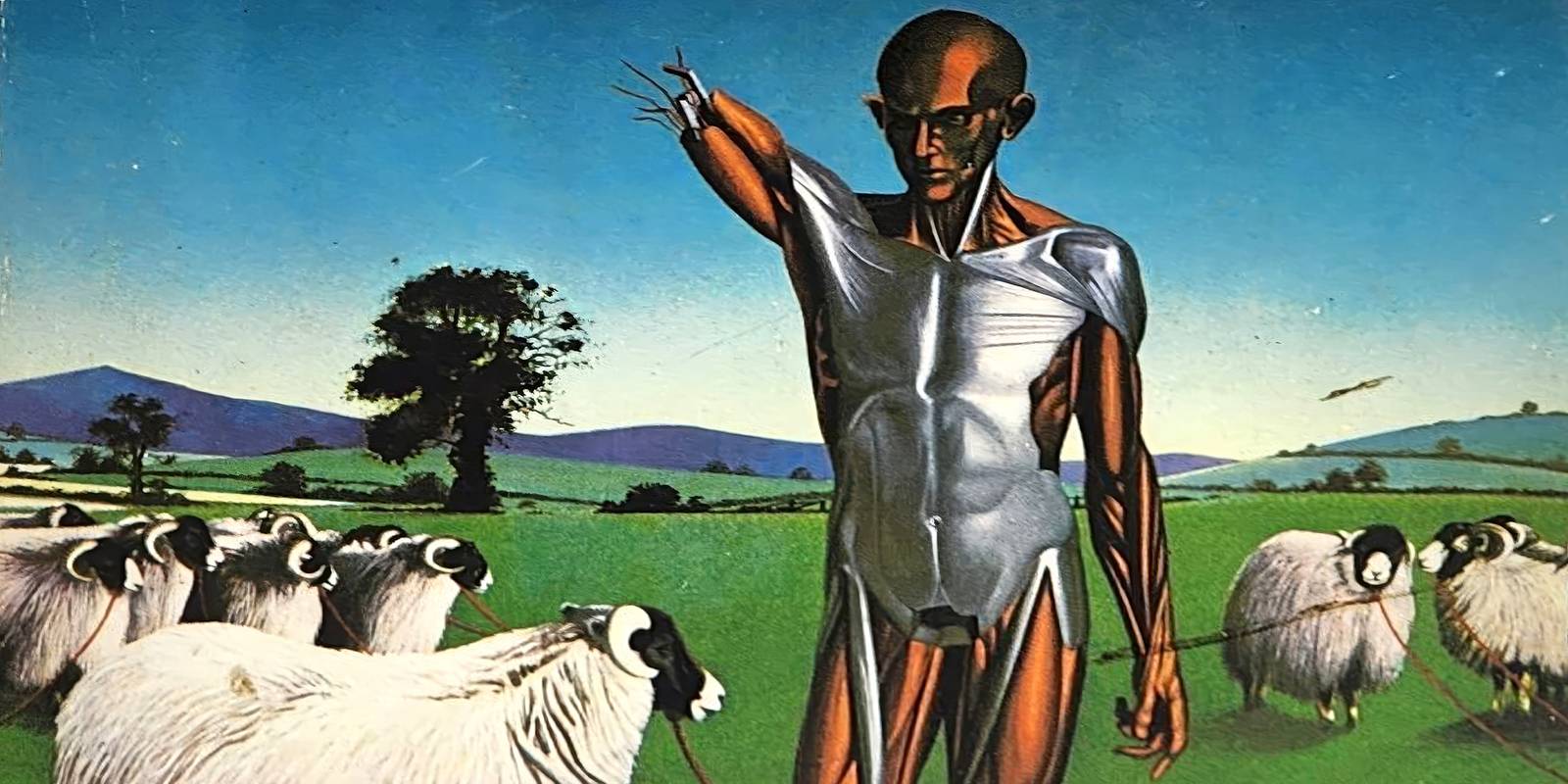
Science fiction has always been the genre of big ideas—exploring the future, questioning humanity, and pushing the boundaries of imagination. Over the centuries, certain books have not only defined sci-fi but also influenced culture, technology, and even politics. From time travel to dystopian nightmares, these novels are the bedrock of the genre. Here are the 10 most influential sci-fi books of all time, ranked.
10. The Time Machine by H.G. Wells (1895)
H.G. Wells didn't just invent the concept of a time-traveling machine; he used it to critique Victorian society and speculate on human evolution. This novella introduced the idea of a device that could move through time, inspiring countless adaptations and cementing Wells as a father of sci-fi. Its influence can be seen in everything from Doctor Who to Back to the Future.
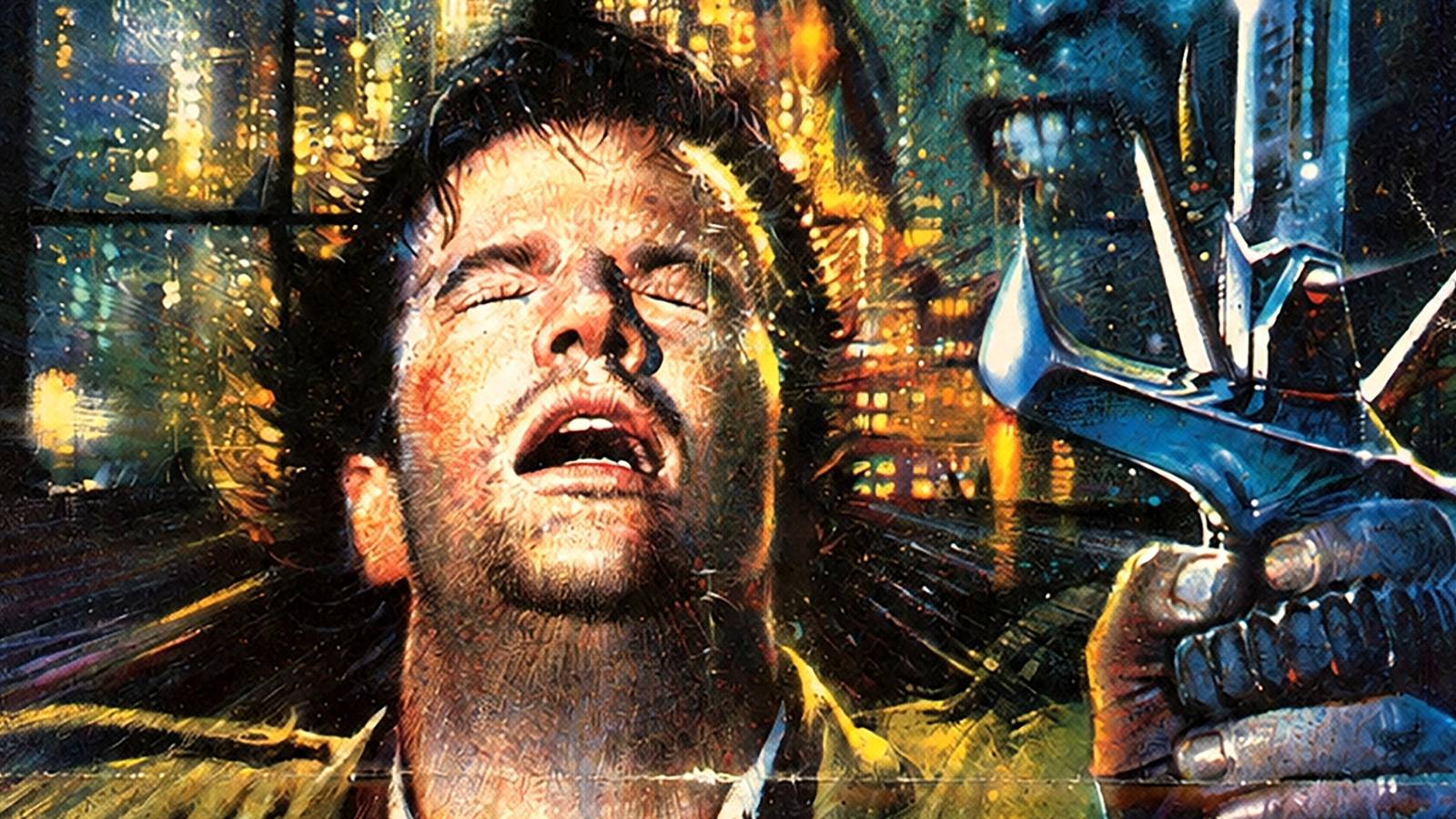
9. 1984 by George Orwell (1949)
Orwell's chilling vision of a totalitarian state gave us terms like "Big Brother" and "doublethink." More than a novel, 1984 became a cultural shorthand for government surveillance and propaganda. It remains one of the most referenced books in political discourse and has inspired countless dystopian works, including films and TV shows. For more on how books become screen sensations, check out our piece on how Netflix turned Harlan Coben's books into a streaming juggernaut.
8. The Left Hand of Darkness by Ursula K. Le Guin (1969)
Le Guin challenged gender norms with this groundbreaking novel set on a planet where inhabitants are ambisexual. By exploring a society without fixed gender, she opened up new possibilities for sci-fi to tackle social issues. The book won both the Hugo and Nebula Awards and remains a touchstone for feminist and speculative fiction.
7. Foundation by Isaac Asimov (1951)
Asimov's epic series about a mathematician who predicts the fall of a galactic empire introduced the concept of psychohistory—a blend of statistics and sociology. The scope and ambition of Foundation influenced everything from Star Wars to modern AI research. It's a must-read for anyone interested in big-picture storytelling.
6. Dune by Frank Herbert (1965)
Herbert's desert epic is a masterclass in world-building, blending politics, religion, ecology, and mysticism. Dune has inspired generations of writers and filmmakers, most recently Denis Villeneuve's acclaimed adaptations. Its themes of resource control and messianic figures are more relevant than ever.
5. Neuromancer by William Gibson (1984)
Gibson's debut novel coined the term "cyberspace" and launched the cyberpunk subgenre. With its gritty, high-tech future and antihero protagonist, Neuromancer predicted the internet age and influenced movies like The Matrix. It's a raw, visionary work that still feels fresh.
4. Brave New World by Aldous Huxley (1932)
Huxley's dystopia of genetic engineering, consumerism, and state-enforced happiness is the flip side of Orwell's coin. While 1984 warned about oppression through fear, Brave New World warned about oppression through pleasure. Its predictions about cloning and mood-altering drugs are eerily accurate.
3. Frankenstein by Mary Shelley (1818)
Often called the first true science fiction novel, Frankenstein explores the consequences of playing God. Shelley's tale of a scientist who creates life and then abandons it raises questions about responsibility and ethics that resonate in today's age of AI and genetic engineering. It's a foundational text for the genre.
2. Stranger in a Strange Land by Robert A. Heinlein (1961)
Heinlein's novel about a human raised by Martians who returns to Earth became a counterculture bible in the 1960s. It challenged conventional ideas about religion, sexuality, and society, and its influence can be seen in everything from Star Trek to New Age movements. For more mind-bending reads, see our list of sci-fi books so perfectly written they'll blow your mind.
1. The War of the Worlds by H.G. Wells (1898)
Wells's tale of a Martian invasion is the prototype for all alien invasion stories. Its 1938 radio adaptation caused panic, proving the power of media. The novel's themes of imperialism and survival have echoed through films, TV shows, and even video games. It remains the gold standard for sci-fi's ability to reflect our deepest fears.
These books didn't just entertain—they changed how we think about the future, technology, and ourselves. Whether you're a longtime fan or new to the genre, each of these titles offers a window into the limitless possibilities of science fiction. For more on how great stories make the leap to screen, check out our ranking of the best drama movies based on books.