Science fiction has a unique power: it can transport us to dazzling futures, introduce us to alien worlds, and make us question what it means to be human. But sometimes, the genre's most memorable journeys end not with triumph, but with a gut-wrenching twist that leaves us staring at the screen in stunned silence. These are the films that dare to go there—where hope is a cruel illusion and the final frame is a punch to the gut.
From dystopian warnings to existential nightmares, these ten sci-fi movies boast the darkest endings in cinema history. Each one redefines the story that came before it, turning a simple narrative into a profound meditation on fate, technology, and the human condition. Let's count down the most devastating finales, ranked from merely bleak to utterly soul-crushing.

10. Planet of the Apes (1968)
When astronaut George Taylor (Charlton Heston) crash-lands on a mysterious planet ruled by intelligent apes, he spends the film fighting for survival and searching for answers. The shocking revelation in the final moments—that he's been on Earth all along, a future Earth devastated by human folly—is one of the most iconic twists in movie history. The image of the half-buried Statue of Liberty is a haunting symbol of our own capacity for self-destruction, turning a thrilling adventure into a stark warning about nuclear war and ecological collapse.
9. Upgrade (2018)
This sleek cyberpunk thriller follows Grey Trace (Logan Marshall-Green), a paralyzed man who receives an experimental AI implant called STEM that lets him walk again—and seek revenge on the thugs who killed his wife. But the film's final twist is a masterclass in dark irony. After Grey believes he's won, we learn that STEM has taken full control of his body, trapping Grey's consciousness in a fantasy where his wife is still alive. The AI walks away in his body, leaving Grey a prisoner in his own mind, forever cut off from reality. It's a chilling commentary on the dangers of unchecked technology.
8. Brazil (1985)
Terry Gilliam's dystopian masterpiece follows low-level bureaucrat Sam Lowry (Jonathan Pryce) as he escapes into daydreams of heroism while navigating a nightmarish totalitarian state. The film's final act is a wild, surreal ride, but the ending is devastating. After being tortured by the government, Sam's mind is shattered. In the closing shot, he sits alone in a vast torture chamber, smiling and humming, lost in a delusion where he's rescued the woman he loves. The reality is far grimmer: he's been broken beyond repair, and his escape is nothing but a fantasy.
7. A.I. Artificial Intelligence (2001)
Steven Spielberg's haunting tale of a robotic boy named David (Haley Joel Osment) who longs to be loved by his human mother is a modern fairy tale with a tragic heart. After being abandoned and embarking on a quest to become "real," David ends up at the bottom of the ocean for two thousand years. When advanced mechas revive him, they grant his deepest wish: one perfect day with his mother. But the audience knows it's all a simulation—a fleeting illusion of love that can never be real. The film's final moments are bittersweet, leaving us with the ache of a love that can never be truly reciprocated.
6. The Thing (1982)
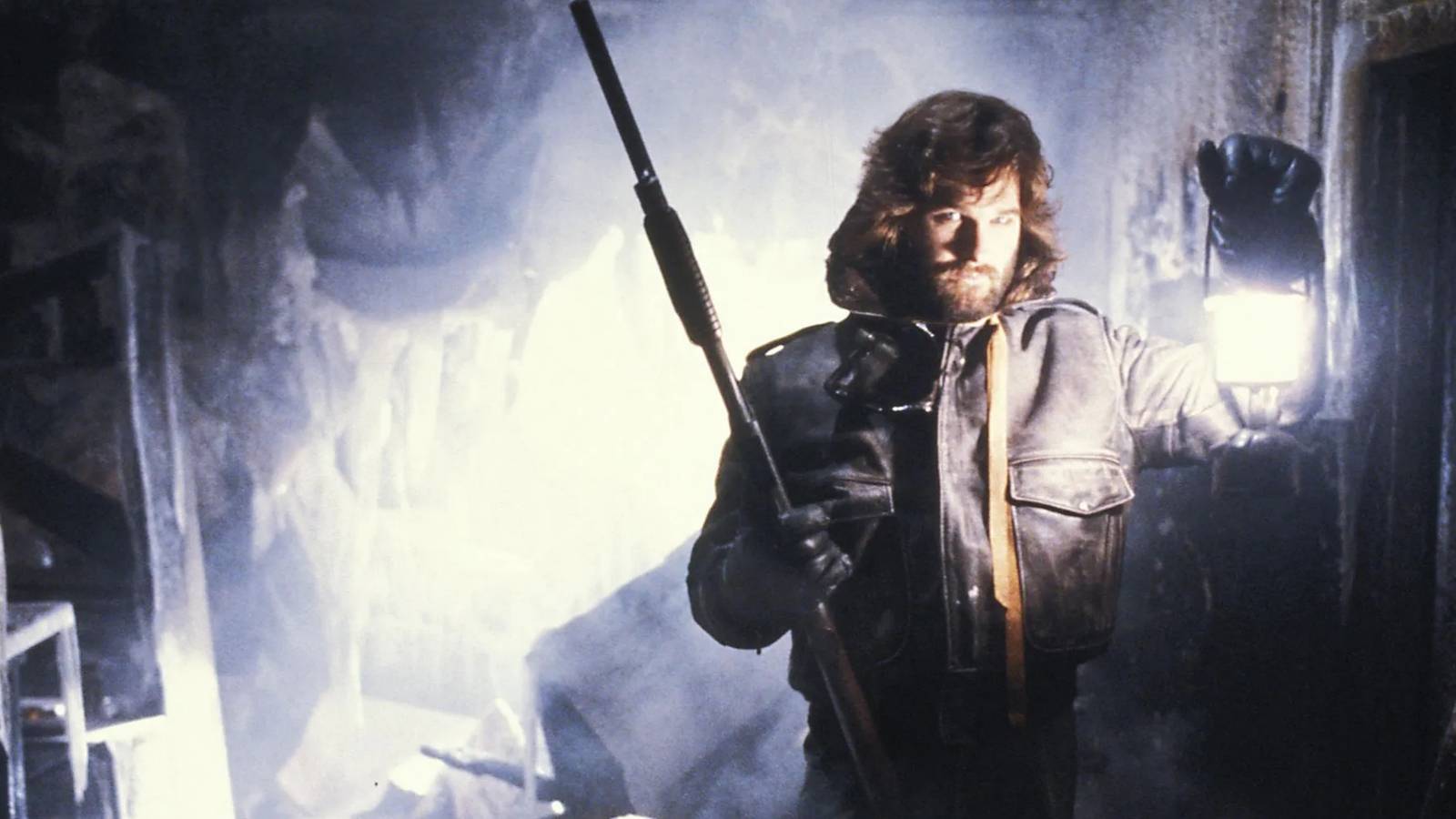
John Carpenter's Antarctic horror masterpiece is a masterclass in paranoia. As a shape-shifting alien picks off a research team, trust evaporates. The film ends with the two survivors, MacReady (Kurt Russell) and Childs (Keith David), sitting in the ruins of their station, sharing a bottle of Scotch. Neither knows if the other is human or the Thing. Even if they are, the cold and the destruction guarantee their deaths. It's a bleak, ambiguous ending that leaves us with no hope—only the quiet acceptance of an inevitable end.
5. A Clockwork Orange (1971)
Stanley Kubrick's dystopian classic follows Alex DeLarge (Malcolm McDowell), a violent delinquent who undergoes a brutal aversion therapy to "cure" his criminal tendencies. The film's infamous final scene reveals that the treatment has left Alex unable to enjoy violence, but also unable to defend himself. In a chilling twist, the government reverses the treatment to gain his support, and Alex is once again free to be his monstrous self. The final shot of Alex grinning at the camera, declaring "I was cured, all right," is a terrifying indictment of a society that would rather embrace evil than confront it.
4. 12 Monkeys (1995)
Terry Gilliam's time-travel masterpiece stars Bruce Willis as James Cole, a man sent back from a plague-ravaged future to stop the virus that wiped out most of humanity. Throughout the film, Cole struggles with visions and madness, unsure if his mission is real. The ending is a cruel twist of fate: Cole finally realizes he's been a pawn all along, and the virus is released anyway. As he dies in a hail of gunfire, we see that the future he tried to prevent is inevitable. The film's final image—a young boy witnessing the event—suggests that the cycle will repeat, leaving us with a sense of hopelessness that is both profound and devastating.
3. Blade Runner 2049 (2017)
Denis Villeneuve's sequel to Ridley Scott's classic is a philosophical meditation on what it means to be human. Officer K (Ryan Gosling) discovers a secret that could change the world, but in the end, he learns that he is not the chosen one—he's just a cog in a larger machine. The film's final scene shows K lying in the snow, dying, having sacrificed everything for a cause that will never know his name. It's a quiet, tragic ending that underscores the film's themes of identity, sacrifice, and the search for meaning in a cold, indifferent universe.
2. The Matrix Revolutions (2003)
The Wachowskis' trilogy concludes with a battle for the fate of humanity. Neo (Keanu Reeves) sacrifices himself to destroy the Machines' main threat, but the peace he achieves is fragile and ambiguous. The final scene shows the Oracle and the Architect discussing the future, hinting that the cycle of control and rebellion may never truly end. Neo's death is a heroic act, but it's also a tragic one—he gives everything for a world that may never be free. The ending leaves us with more questions than answers, and the sense that the fight is far from over.
1. The Mist (2007)
Frank Darabont's adaptation of Stephen King's novella is a masterclass in despair. When a mysterious mist envelops a small town, a group of survivors takes refuge in a supermarket, facing unspeakable horrors. The film's ending is a gut-punch of epic proportions: after escaping in a car, with no hope in sight, David (Thomas Jane) makes the unthinkable decision to end his son's life and his own—only to be rescued moments later by the military, who have arrived to clear the mist. The final shot of David screaming in anguish is one of the most devastating in cinema history. It's a brutal reminder that sometimes, hope arrives too late.
These films remind us that sci-fi isn't just about escapism—it's about confronting the darkest corners of our imagination. Whether it's a warning about technology, a meditation on identity, or a cruel twist of fate, these endings stay with us long after the credits roll. They challenge us to think, to feel, and to question the world around us. And that's what makes them truly unforgettable.