Film noir and thrillers are a match made in cinematic heaven. Both genres thrive on corruption, obsession, and moral compromise, wrapped in layers of suspense and danger. The heroes are often cynical and tough, the villains manipulative and elusive, and the mood is unapologetically dark. Over the last 80 years, some of the most unforgettable movies have fused these two styles into timeless tales of deception and disillusionment. From the rain-soaked streets of postwar Vienna to the neon glare of modern Los Angeles, these films use grim, oppressive landscapes to amplify their tension. Here are the 10 best noir thrillers of the past eight decades, ranked.
10. The Long Goodbye (1973)
Robert Altman's The Long Goodbye is one of the strangest and most fascinating entries in the noir canon. Elliott Gould plays Philip Marlowe as a perpetually confused private eye who mutters, "It's okay with me," while shuffling through a world that no longer values loyalty or integrity. When his friend's wife is found murdered, Marlowe gets tangled up with gangsters, alcoholics, missing money, and Hollywood eccentrics. Altman's offbeat tone—equal parts stoner noir and sharp social commentary—makes this a unique gem. Gould's Marlowe isn't the tough, confident detective of Humphrey Bogart; he's a relic of a bygone era, wandering through a corrupt landscape with a quiet, stubborn sense of honor.

9. Nightcrawler (2014)
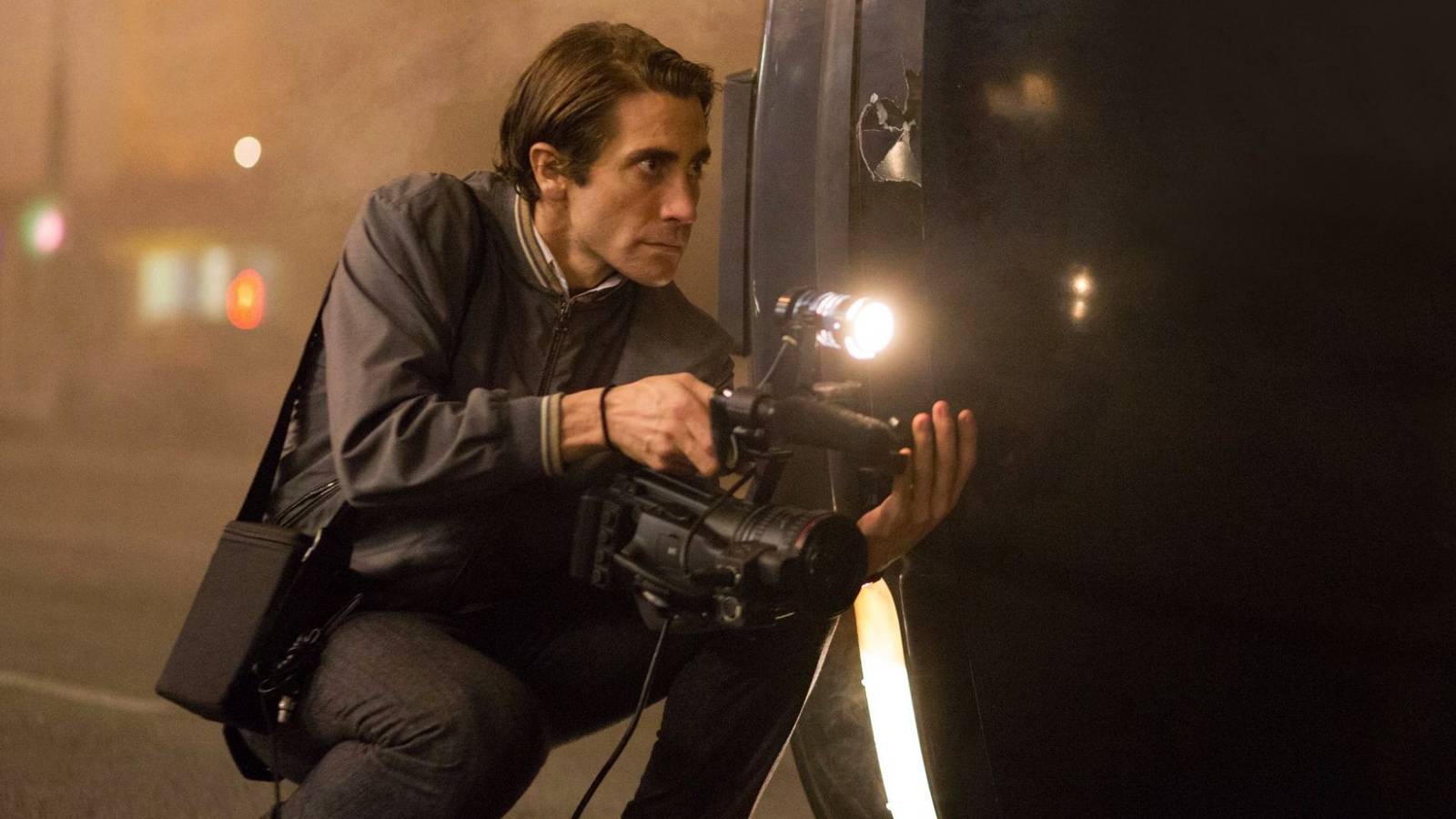
Jake Gyllenhaal delivers a chilling, cold-eyed performance as Lou Bloom, an unemployed drifter who stumbles into the world of freelance crime journalism in Los Angeles. Armed with a police scanner and a video camera, Lou films accidents, murders, and violent crimes, selling the footage to local TV stations. But the line between observer and participant quickly blurs. The film's aesthetic is deliciously noirish—police lights, neon signs, and headlights cutting through the darkness. Yet what elevates Nightcrawler is its razor-sharp critique of the media's appetite for sensationalism. It asks uncomfortable questions about society's relationship with violence, themes that have only grown more relevant since its release.
8. L.A. Confidential (1997)
By the late '90s, noir seemed played out, but Curtis Hanson breathed new life into it with L.A. Confidential. This film feels like a greatest-hits collection of noir themes, executed with total confidence. Three very different LAPD officers—played by Kevin Spacey, Russell Crowe, and Guy Pearce—investigate a brutal massacre tied to organized crime and celebrity culture. As their paths converge, each man confronts uncomfortable truths about himself and the city he serves. Crowe's Bud is driven by emotion and violence, Pearce's Exley by ambition and idealism, and Spacey's Vincennes by fame and self-interest. Their contrasting journeys give this crime-noir gem an emotional depth that most thrillers lack.
7. Se7en (1995)
David Fincher's Se7en masterfully blends serial-killer tropes with the darkest philosophical noir. Veteran detective William Somerset (Morgan Freeman) and his younger partner David Mills (Brad Pitt) investigate a series of murders inspired by the seven deadly sins. The deeper they dig, the more personal and psychologically devastating the case becomes. The mood is deeply fatalistic, reflected in the film's aesthetics: shadows dominate every frame, interiors feel suffocating, and the city seems trapped in perpetual darkness. Rain falls almost constantly, streets are crowded and dirty, and apartments are claustrophobic and decaying. It's a literal representation of a world without hope, culminating in one of the most legendary grim endings in '90s cinema.
6. Blade Runner (1982)
Ridley Scott's Blade Runner is the most perfect fusion of noir and sci-fi. Harrison Ford plays Rick Deckard, a retired blade runner tasked with hunting down bioengineered beings virtually indistinguishable from humans. As Deckard tracks his targets through a futuristic Los Angeles, he begins questioning the assumptions underlying his mission. The film delves into thorny questions about identity: Can machines feel? What makes us human? The noir aesthetic—rain-slicked streets, neon reflections, and oppressive shadows—creates a world that feels both futuristic and timeless. It's a movie that gets deeply under your skin, leaving you pondering its themes long after the credits roll.
5. The Third Man (1949)
Set in the rubble of postwar Vienna, The Third Man is a masterclass in atmosphere. Orson Welles delivers one of cinema's most iconic performances as Harry Lime, a mysterious figure who may or may not be dead. The film follows Holly Martins (Joseph Cotten), a pulp writer who arrives in Vienna to find his friend Lime has died under suspicious circumstances. As Martins investigates, he uncovers a web of black-market dealings and moral compromise. The film's use of shadow, tilted camera angles, and the famous zither score create a sense of unease that never lets up. It's a haunting exploration of loyalty, betrayal, and the gray areas of morality.
4. Chinatown (1974)
Roman Polanski's Chinatown is a neo-noir masterpiece that redefined the genre. Jack Nicholson plays J.J. Gittes, a private detective hired to investigate an adultery case that spirals into a conspiracy involving water rights, corruption, and murder in 1930s Los Angeles. The film's plot is a labyrinth of deceit, and its ending is one of the most devastating in cinema history. The performances are stellar, with Faye Dunaway as the enigmatic Evelyn Mulwray and John Huston as the villainous Noah Cross. Chinatown captures the essence of noir—cynicism, moral ambiguity, and the sense that the system is rigged against the little guy—while delivering a gripping thriller.
3. Double Indemnity (1944)
Billy Wilder's Double Indemnity is the blueprint for all noir thrillers that followed. Fred MacMurray plays Walter Neff, an insurance salesman who gets drawn into a murder plot by the seductive Phyllis Dietrichson (Barbara Stanwyck). Together, they plan to kill her husband and collect on a double indemnity insurance policy. The film is a masterclass in suspense, with sharp dialogue, a tight plot, and a sense of doom that hangs over every scene. Stanwyck's performance as the femme fatale is iconic, and the film's use of voice-over and flashback became staples of the genre. It's a timeless story of greed, lust, and the inevitable fall.
2. The Maltese Falcon (1941)
John Huston's directorial debut, The Maltese Falcon, is the film that defined noir. Humphrey Bogart stars as Sam Spade, a hard-boiled private detective who gets caught up in a search for a priceless statuette. The plot is a tangled web of lies, double-crosses, and murder, with a cast of unforgettable characters, including the duplicitous Brigid O'Shaughnessy (Mary Astor) and the effeminate villain Casper Gutman (Sydney Greenstreet). Bogart's Spade is the archetypal noir hero—tough, cynical, but with a code of honor. The film's shadowy cinematography, rapid-fire dialogue, and moral ambiguity set the standard for the genre.
1. Touch of Evil (1958)
Orson Welles' Touch of Evil is the ultimate noir thriller, a film that pushes the genre to its limits. Set in a corrupt border town, the story follows Mexican narcotics officer Miguel Vargas (Charlton Heston) as he investigates a car bombing. He clashes with the bloated, racist American detective Hank Quinlan (Welles), who will stop at nothing to frame a suspect. The film opens with one of the most famous long takes in cinema history, a three-minute tracking shot that sets the tone for the entire movie. The cinematography is stunning, with deep focus, extreme angles, and a sense of moral decay that permeates every frame. Touch of Evil is a searing indictment of corruption and prejudice, and it remains the gold standard for noir thrillers.
These films represent the best of what noir and thriller genres can achieve together. They are timeless stories of deception and disillusionment, set in grim, oppressive landscapes that reflect the darkness within their characters. Whether you're a longtime fan or new to the genre, these movies are essential viewing. For more great recommendations, check out our list of the most soul-crushing adventure movies ever made or explore the best thriller video games of all time.