Before the blockbuster era of the late '60s and '70s, Hollywood's Classical period (roughly 1930–1960) quietly revolutionized science fiction cinema. While the genre would later explode into the mainstream, these early masterpieces laid the groundwork, proving that sci-fi could be both intellectually stimulating and visually spectacular. From chilling horror hybrids to ambitious space operas, these films remain cornerstones of the genre.
Here are the ten greatest classic American sci-fi movies, ranked for their innovation, cultural impact, and enduring entertainment value.
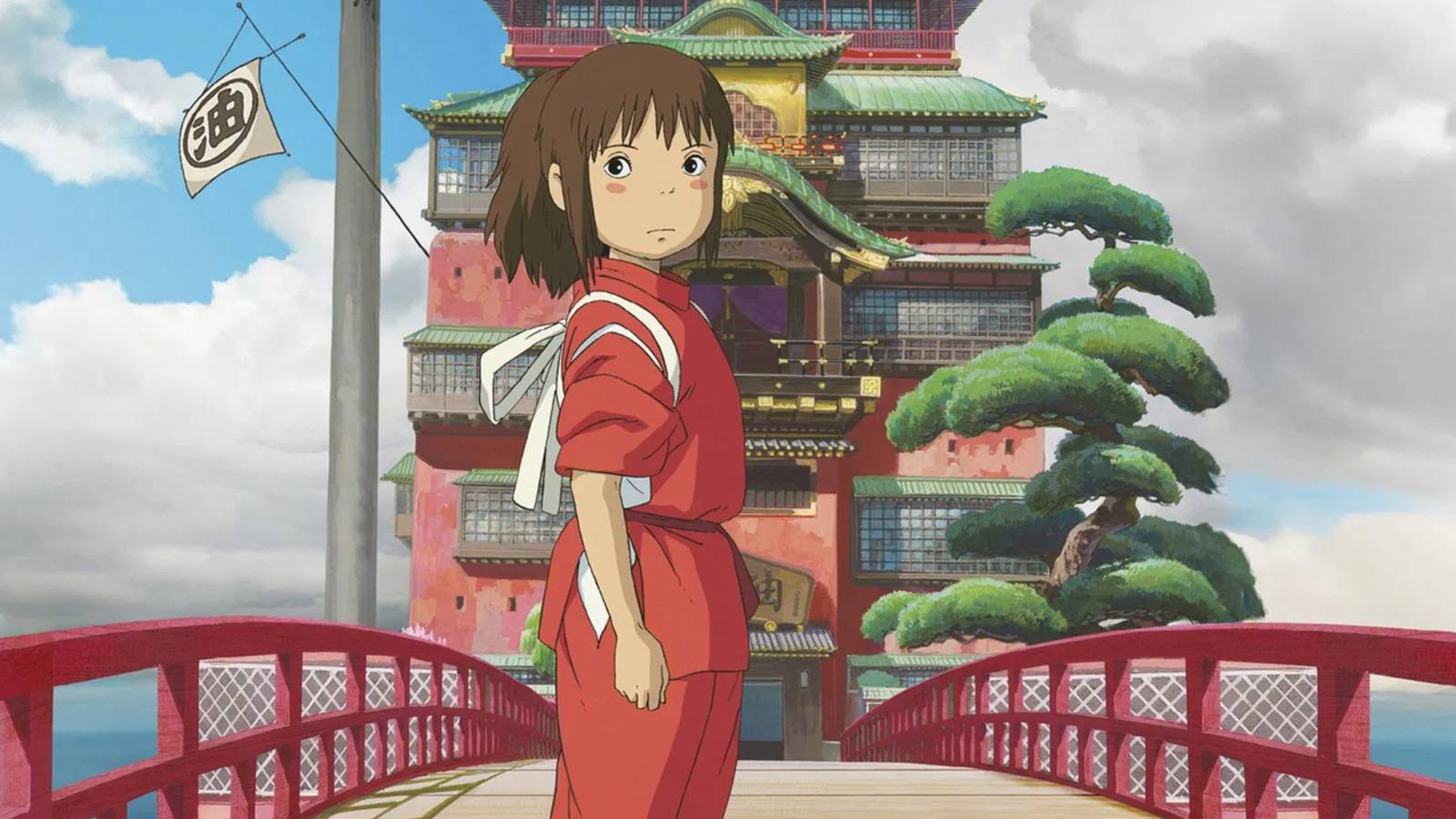
10. Village of the Damned (1960)
Wolf Rilla's Village of the Damned, based on John Wyndham's novel The Midwich Cuckoos, is a masterclass in quiet terror. This British-American production, released at the tail end of the Golden Age, turned a modest budget into a massive hit. Its subtle approach to horror and the unsettling portrayal of eerie, telepathic children cemented the 'creepy kid' trope in cinema. The film's atmospheric dread and dark tone make it a timeless sci-fi horror gem.
9. Forbidden Planet (1956)
Fred M. Wilcox's Forbidden Planet is a landmark of '50s sci-fi, often cited as a loose adaptation of Shakespeare's The Tempest. It was the first film to show humans traveling in a faster-than-light starship and the first set entirely on another planet. This ambitious space opera proved that even a B-movie could deliver a serious, artistically crafted story. Its influence on later sci-fi is immeasurable, making it a must-watch for any fan of the genre.
8. Dr. Jekyll and Mr. Hyde (1931)
Rouben Mamoulian's pre-Code adaptation of Robert Louis Stevenson's novella remains the definitive version. Fredric March's dual performance earned him a well-deserved Oscar, but the film's inventive special effects and daring depiction of sexuality and violence were equally groundbreaking. Even today, it retains a surprising edge, standing tall among the best Universal horror classics.
7. Island of Lost Souls (1932)
Erle C. Kenton's Island of Lost Souls, based on H.G. Wells' The Island of Doctor Moreau, is a chilling pre-Code horror. Charles Laughton's terrifying portrayal of Dr. Moreau is iconic, and the film's unflinching body horror was only possible before the Hays Code clamped down. It's a psychologically tense masterpiece that has only grown more unsettling with time.
6. Frankenstein (1931)
James Whale's Frankenstein not only introduced one of cinema's most iconic monsters but also reshaped the horror genre. Boris Karloff's portrayal of the creature is legendary, and the film's gothic atmosphere and visual style are impeccable. While it may not scare modern audiences, its craftsmanship and historical significance make it an essential classic.
5. The Incredible Shrinking Man (1957)
Jack Arnold's The Incredible Shrinking Man is a criminally underrated gem. The story of a man who begins to shrink after exposure to a mysterious cloud is both a thrilling adventure and a profound meditation on identity and scale. Its special effects were groundbreaking for the time, and the film's existential themes resonate even more today.
4. Invasion of the Body Snatchers (1956)
Don Siegel's Invasion of the Body Snatchers is a paranoid masterpiece that tapped into Cold War anxieties. The story of alien pods replacing humans with emotionless duplicates is a chilling metaphor for conformity and loss of individuality. Its tense atmosphere and social commentary have made it a lasting influence on sci-fi and horror.
3. The Day the Earth Stood Still (1951)
Robert Wise's The Day the Earth Stood Still is a thoughtful sci-fi drama that used alien visitation as a vehicle for anti-war commentary. Klaatu's message of peace and the iconic robot Gort have become cultural touchstones. The film's intelligence and moral weight set it apart from typical alien invasion flicks of the era.
2. Bride of Frankenstein (1935)
James Whale's sequel to his 1931 classic is often considered superior to the original. Bride of Frankenstein expands on the themes of creation and humanity, with Elsa Lanchester's iconic dual role as Mary Shelley and the Bride. The film's gothic grandeur, dark humor, and poignant tragedy make it a masterpiece of classic horror.
1. Metropolis (1927)
Though technically from the silent era, Fritz Lang's Metropolis is the granddaddy of all sci-fi films. Its dystopian vision of a future city, with its stark class divisions and iconic robot Maria, has influenced countless films and artists. The film's scale and ambition are staggering, and its themes of technology and humanity remain as relevant as ever. It's not just a classic; it's the foundation upon which modern sci-fi cinema was built.
These films are more than just relics of a bygone era—they are essential viewing for anyone who loves science fiction. They remind us that the genre's power lies not in special effects alone, but in its ability to explore the human condition through the lens of the fantastic.