When Supergirl hits theaters, it doesn't just introduce a new Kryptonian hero—it reignites one of the most divisive debates in superhero cinema. Director Craig Gillespie, in an exclusive chat with Collider, reveals that the film's ending deliberately echoes the controversial moment from Zack Snyder's Man of Steel where Superman kills General Zod. But this time, it's Kara Zor-El who makes the brutal call, and DC Studios co-chief James Gunn was fully on board.
Gillespie explains that Kara's decision to kill the villain Krem was always in the script, written by Ana Nogueira and based on Tom King's comic miniseries Supergirl: Woman of Tomorrow. "That was something James felt very strongly about," Gillespie says. "There were conversations leading up to that day of, like, 'Do we shoot a backup version?' And every time, it would come back, like, 'Nope. Just go with that.'" The director notes that Gunn's unwavering support gave the team license to push the story's emotional boundaries.

The ending highlights the fundamental difference between Kara and her cousin Kal-El. While Gunn's Superman is a beacon of hope who believes in redemption, Kara's trauma has left her cynical and resentful. "She's come from trauma. She's come from loss. She's come from seeing a lot of suffering," Gillespie says. "She wants to stay there and die with her family, so to suddenly have this thrust upon her, she resents it." This emotional journey is what makes her final choice so powerful—and so reminiscent of the Man of Steel controversy that divided fans for years.
Gillespie also reveals that he deliberately delayed Kara's first appearance in her superhero suit. In the original script, she donned the costume much earlier, but the director pushed for a longer wait. "I sort of designed it in a way, obviously, the ship gets stolen at the beginning, and the suit's on it, so she gets to not have to wear it for a while," he explains. This choice allows the audience to connect with Kara as a person before she becomes a symbol.
The film also features a Kryptonian-language sequence that wasn't in the original script. Gillespie insisted on having the actors speak in a constructed language for authenticity. "We had this linguist who created five different languages for the film," he says. The scene, which runs several minutes without English subtitles, was a gamble that paid off, grounding the fantastical elements in a sense of real-world complexity.
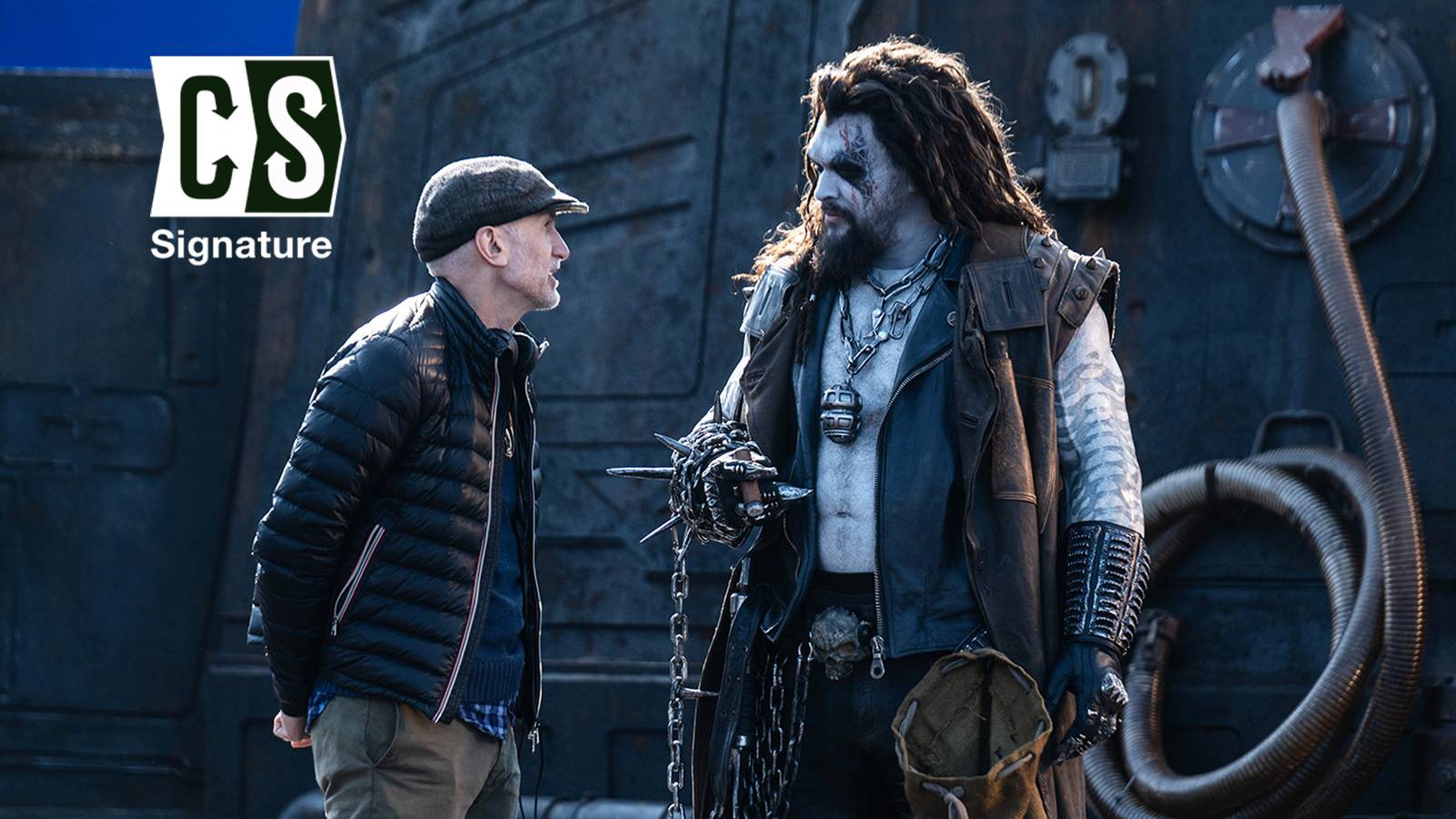
With Jason Momoa's larger-than-life Lobo and the beloved superdog Krypto, Supergirl balances its emotional weight with DC's signature spectacle. But at its core, the film is about a hero who doesn't want to be one—and a choice that will have fans debating for years to come. For more on how the DCU is shaping up, check out our coverage of DC Studios' Peter Safran Responds to Supergirl's Disappointing Box Office Debut.
As for the Man of Steel comparison, Gillespie sees it as a strength. "They come from such different backgrounds," he says. "Everything about it stayed true to that logic, and that was the emotional journey that she was on." Whether fans embrace Kara's darkness or recoil from it, one thing is clear: Supergirl isn't afraid to ask the hard questions about what it means to be a hero.