In 2007, director Danny Boyle delivered a visually arresting and philosophically dense science fiction film that, despite its pedigree, seemed to vanish into the void of space upon release. Sunshine, a story about a desperate mission to reignite our dying sun, arrived with a stellar cast including Cillian Murphy, Michelle Yeoh, and a pre-Captain America Chris Evans. Yet, it failed to find a wide audience, becoming what many now consider a film tragically ahead of its time.
A Perfect Storm of Misfortune
The film's commercial struggles began with its release date. Dropped in the crowded summer of 2007, it had to compete directly with titans like Harry Potter and the Order of the Phoenix and Transformers. A somber, psychological drama about mortality and cosmic insignificance was a tough sell next to franchise spectacles. Its woes continued on home video, where a notorious technical glitch plagued Blu-ray discs, and for years it remained conspicuously absent from major streaming platforms, denying it the chance to build a legacy with new viewers.

More Than Just a Space Adventure
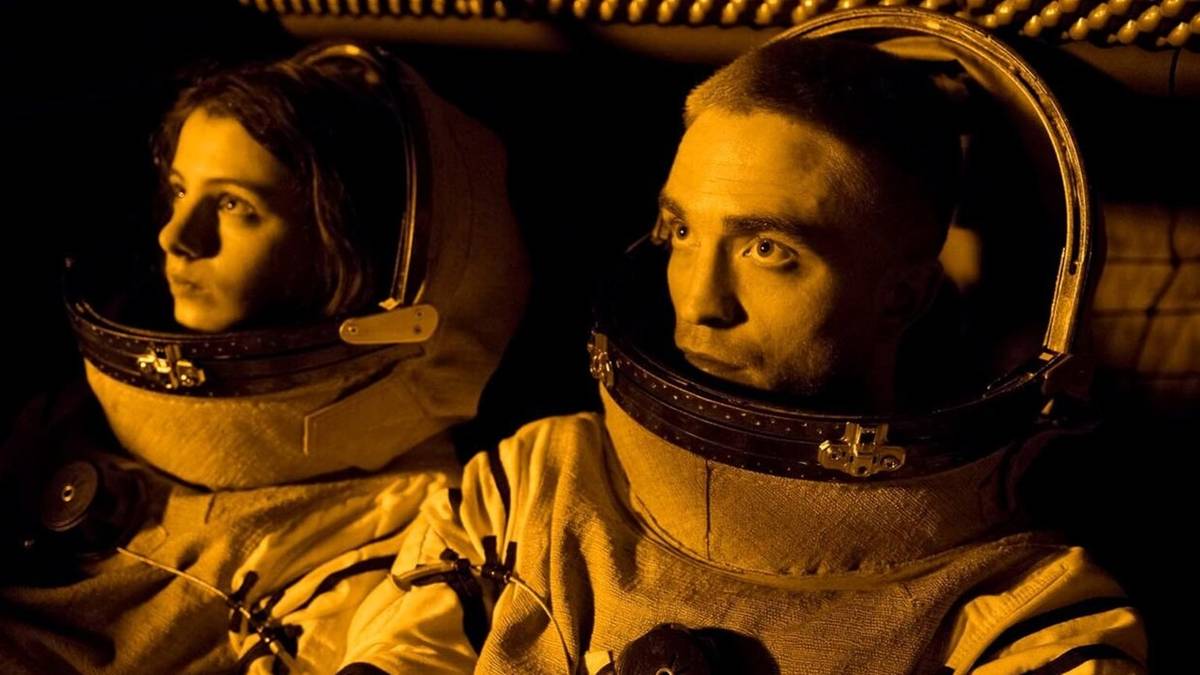
Those who do seek out Sunshine discover a film that masterfully blends cerebral sci-fi with palpable tension. Evoking the existential dread of classics like 2001: A Space Odyssey, the film immerses viewers in the claustrophobic, grungy confines of the spacecraft Icarus II. The mission's overwhelming sense of doom is matched by breathtaking, practical-feeling visual effects that make the sun both a mesmerizing and terrifying entity. It's a visual language that would later echo in projects like Cillian Murphy's other work, reminding us of the actor's powerful, silent intensity.
A Cast of Future Icons
Part of the film's enduring fascination is its roster of talent, many of whom were on the cusp of major fame. Cillian Murphy and Michelle Yeoh, now both Oscar winners, deliver nuanced performances that hint at their legendary careers. Chris Evans, in a role far removed from Steve Rogers, proves his dramatic chops in a turn that should have signaled his range earlier. The supporting cast, including Rose Byrne, Benedict Wong, and Mark Strong, creates a compelling ensemble of astronauts fraying under pressure.
Boyle and Garland's Visionary Collaboration
Directed by Danny Boyle between 28 Days Later and Slumdog Millionaire, and written by his frequent collaborator Alex Garland, Sunshine is a key text in both filmmakers' explorations of humanity under duress. The film's themes—humanity's fragile relationship with technology and nature, and confronting annihilation—clearly paved the way for Garland's later directorial efforts like Ex Machina. It stands as a bold, genre-pushing entry in Boyle's filmography, unafraid to ask big questions.
The Divisive Final Act
No discussion of Sunshine is complete without addressing its controversial third act, which takes a sharp turn into psychological horror. This tonal shift, reminiscent of Alien, divided critics and audiences upon release. While some saw it as a betrayal of the film's meditative first half, others argue it's a logical, terrifying escalation of the crew's mental disintegration. This debate has fueled the film's cult status for years, a conversation that deserves a wider audience as more people discover the movie.
Time for a Reappraisal
With Boyle returning to the genre with the upcoming 28 Years Later, and its stars now A-list icons, the moment is perfect to reevaluate Sunshine. It represents a rare breed of mid-budget, idea-driven studio film that has become increasingly scarce. For fans of thoughtful science fiction that prioritizes atmosphere and ideas over empty spectacle—the kind found in essentials like Christopher Nolan's 'Interstellar'—this film is a hidden treasure. It's a cinematic mission we failed the first time, but one that's finally reaching its destined audience.