When The Big Bang Theory ended its 12-season run in 2019, it left a void for fans who loved its blend of nerd culture and sitcom humor. But the franchise is back with Stuart Fails to Save the Universe, a spin-off that takes a completely different approach. The HBO Max series, which premiered on July 23, 2026, follows Stuart Bloom (Kevin Sussman) and his unlikely crew on a multiverse-hopping adventure. While the show initially leaned on familiar faces to draw in viewers, its latest episode signals a bold new direction.
A Shift in Episode 5
The first four episodes of Stuart Fails to Save the Universe were packed with cameos from the original series. Raj Koothrappali (Kunal Nayyar) popped up in Episode 1, Penny (Kaley Cuoco) in Episode 2, Bernadette (Melissa Rauch) in Episode 3, and Amy (Mayim Bialik) in Episode 4. These appearances were a treat for longtime fans, but they also kept the spin-off tethered to its predecessor. Episode 5, however, changes the game by dropping cameos entirely, forcing the show to rely on its own merits.
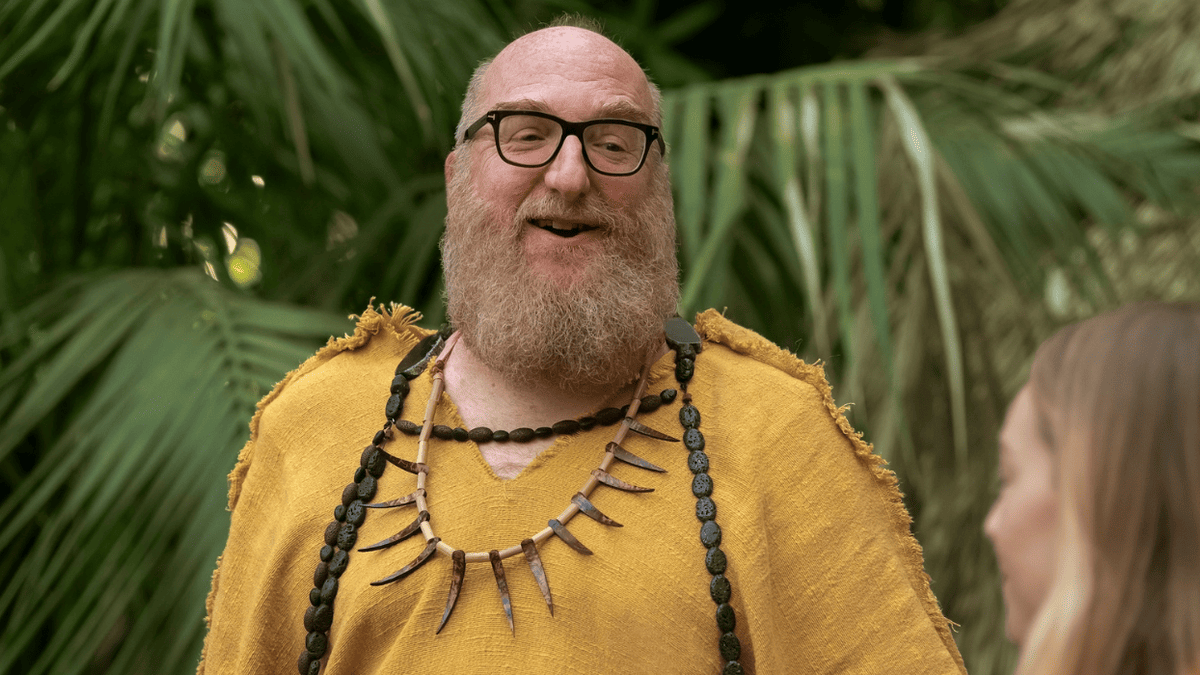
This move is a clear statement: Stuart Fails to Save the Universe is ready to stand on its own. The episode focuses squarely on the main cast—Stuart, Barry Kripke (John Ross Bowie), Bert (Brian Posehn), and Denise (Lauren Lapkus)—and their chaotic mission to fix the multiverse. It's a risky but necessary step for a spin-off that wants to carve out its own identity.
Why This Matters
The cameos were a smart marketing tool, but they also created a crutch. By removing them, the show is betting that its sci-fi premise and character dynamics are strong enough to carry the story. And so far, that bet seems to be paying off. The multiverse plot, which kicks off when Stuart accidentally breaks a device built by Sheldon (Jim Parsons) and Leonard (Johnny Galecki), is a far cry from the campus-based antics of the original. It's a fresh, high-stakes adventure that feels distinctly its own.
This shift also aligns with the show's broader goal of expanding the Big Bang Theory universe without constantly looking backward. As the spin-off's premise suggests, it's about new stories, not just nostalgia. And with the series already renewed for Season 2, it's clear that audiences are on board.
A New Identity
Of course, the lack of cameos isn't the only thing setting Stuart Fails to Save the Universe apart. The show's tone, pacing, and visual style are all different from the grounded sitcom that preceded it. It's a full-blown sci-fi adventure, complete with time travel, alternate realities, and plenty of chaos. The focus on supporting characters like Stuart, Barry, Bert, and Denise—who were often in the background of the original—gives the spin-off a fresh perspective.
This change in direction is reminiscent of other spin-offs that have successfully broken away from their source material. For example, some argue that 3rd Rock from the Sun outshines The Big Bang Theory because it embraced its own weirdness. Stuart Fails to Save the Universe seems to be taking a similar approach, leaning into its sci-fi roots rather than playing it safe.
What's Next?
With Episode 5 marking a turning point, fans can expect the rest of the season to continue in this vein. The show has already proven it can deliver laughs and thrills without relying on familiar faces. As the multiverse saga unfolds, Stuart and his team will face even bigger challenges, and the stakes are only going to get higher.
For those who haven't tuned in yet, Stuart Fails to Save the Universe is worth a watch, especially if you're a fan of sci-fi and character-driven comedy. And for Big Bang Theory loyalists, it's a chance to see beloved side characters step into the spotlight. The spin-off is officially its own thing now—and that's a good thing.