Stephen King is the most adapted author in history, with over 60 films and more than 20 TV series based on his work. But only one adaptation ever drove him to take legal action—and it wasn't a notorious flop like Children of the Corn (2020). It was Brett Leonard's 1992 sci-fi horror oddity The Lawnmower Man, which has just resurfaced on Prime Video in its full 140-minute director's cut.
King's original short story, from his Night Shift collection, was a bizarre supernatural tale about a demonic lawn care worker in service to the god Pan. Leonard's film, however, was originally a script called CyberGod—a futuristic thriller about the dangers of virtual reality. The King connection was grafted on later, resulting in a movie that shares almost nothing with its source material beyond a few names and a nod to the shadowy 'Shop.'
What Is The Lawnmower Man About?
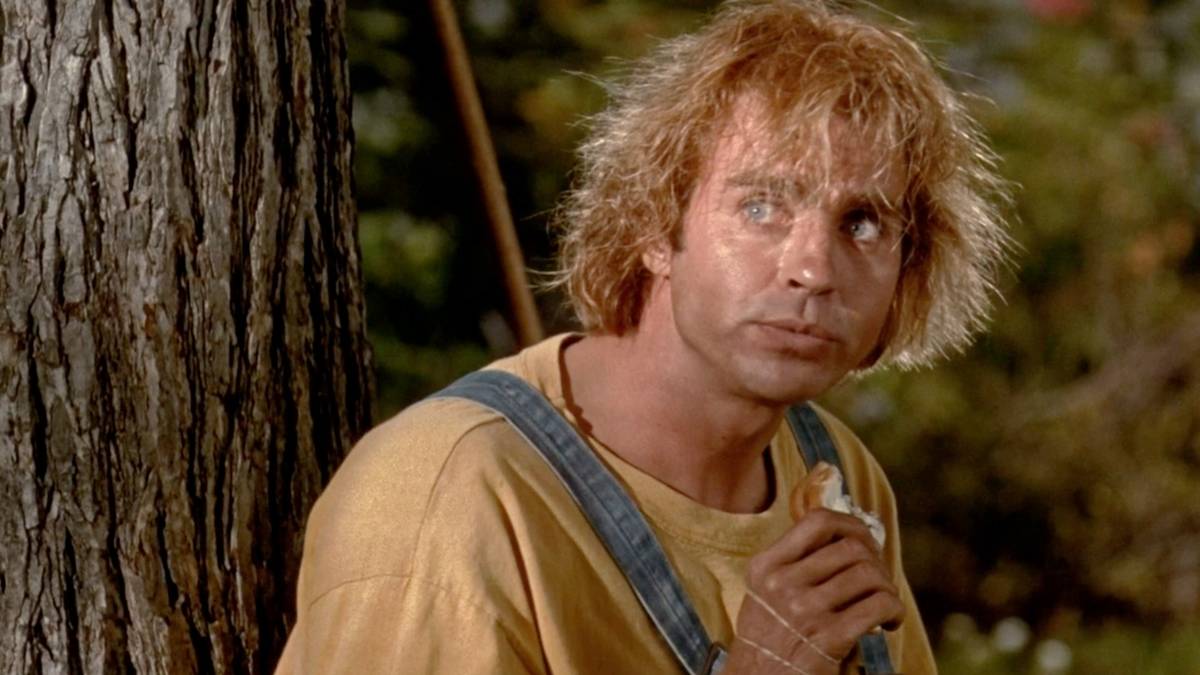
Pierce Brosnan, just before his James Bond era, stars as Dr. Lawrence Angelo, a scientist experimenting with virtual reality and psychoactive drugs to enhance cognition. His test subject is Jobe (Jeff Fahey), a simple-minded gardener with an intellectual disability. Jobe is mistreated by nearly everyone, and his performance today feels uncomfortably stereotyped—think 'Faulknerian idiot man-child' with overalls and wild hair.
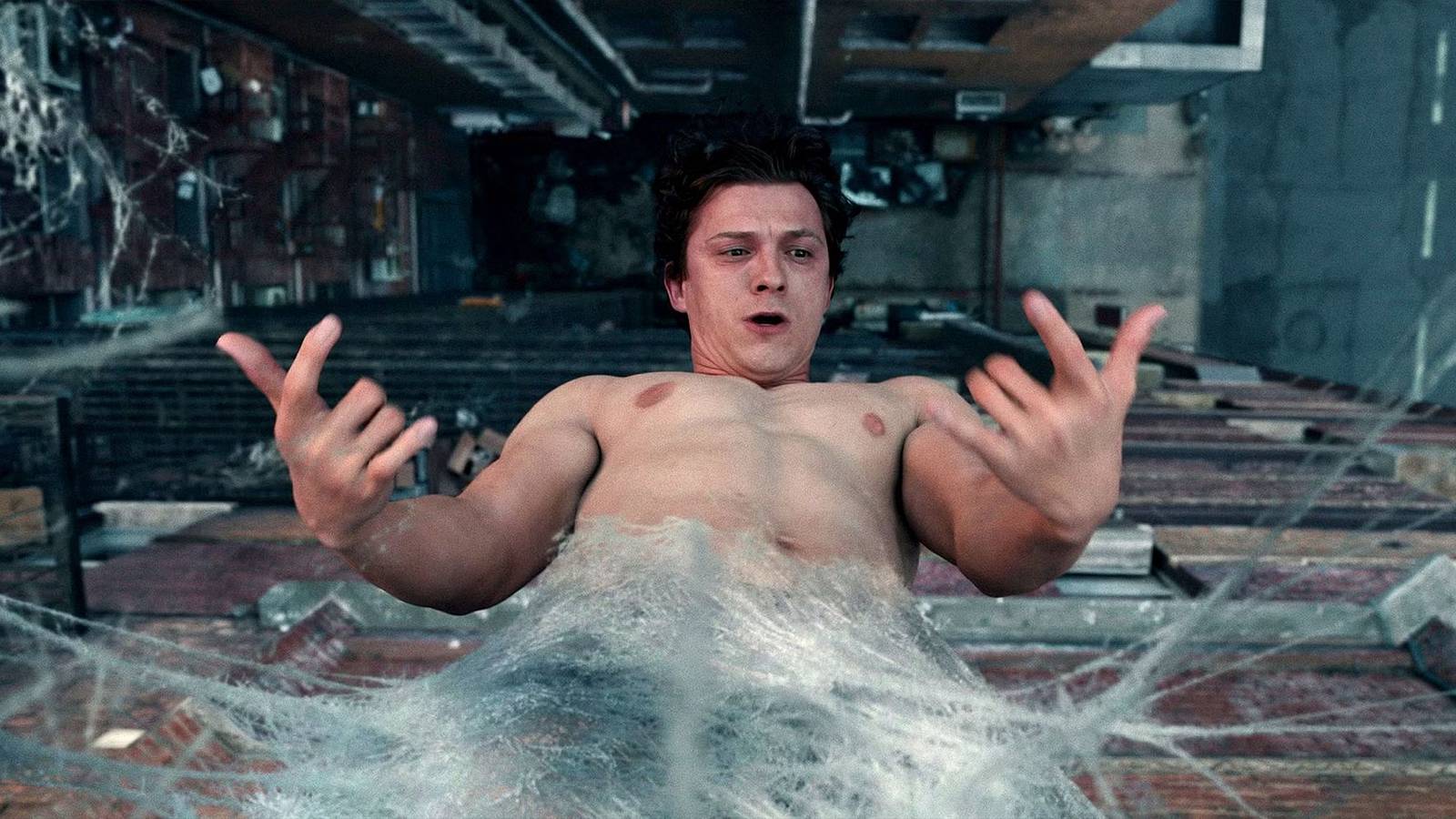
Angelo uses Jobe as a guinea pig, and the VR experiments transform him into a super-intelligent telekinetic 'CyberGod.' Naturally, Jobe uses his new powers first for virtual sex, then for revenge on his tormentors. The film's CGI sequences were groundbreaking at the time, though they now look hilariously dated. In a fun twist, the effects studio behind them later became Rockstar Games, creators of Grand Theft Auto.
Why Stephen King Hated It So Much
The rights to King's story bounced around for years, from producers like Dino De Laurentiis to others, before being attached to Leonard's CyberGod script. Only a few elements from the original story survived—like a scene of an autonomous lawnmower attacking a man named Harold Parkette—but King's name was plastered all over the marketing. He wasn't happy.
King sued twice: once when the film hit theaters (grossing $30 million) and again for home video releases that still bore his name. The dispute was settled for $2.5 million. Interestingly, King once offered faint praise, calling it 'not a real bad picture.'
Today, The Lawnmower Man is a beloved cult classic, celebrated for its unintentional humor and retro-futuristic charm. If you're curious about the full saga, you can find the 1987 faithful short adaptation on YouTube, while the uncut director's cut is now streaming on Prime Video. For more King-related content, check out our ranking of his best '80s novels or our list of the worst book-to-movie adaptations.