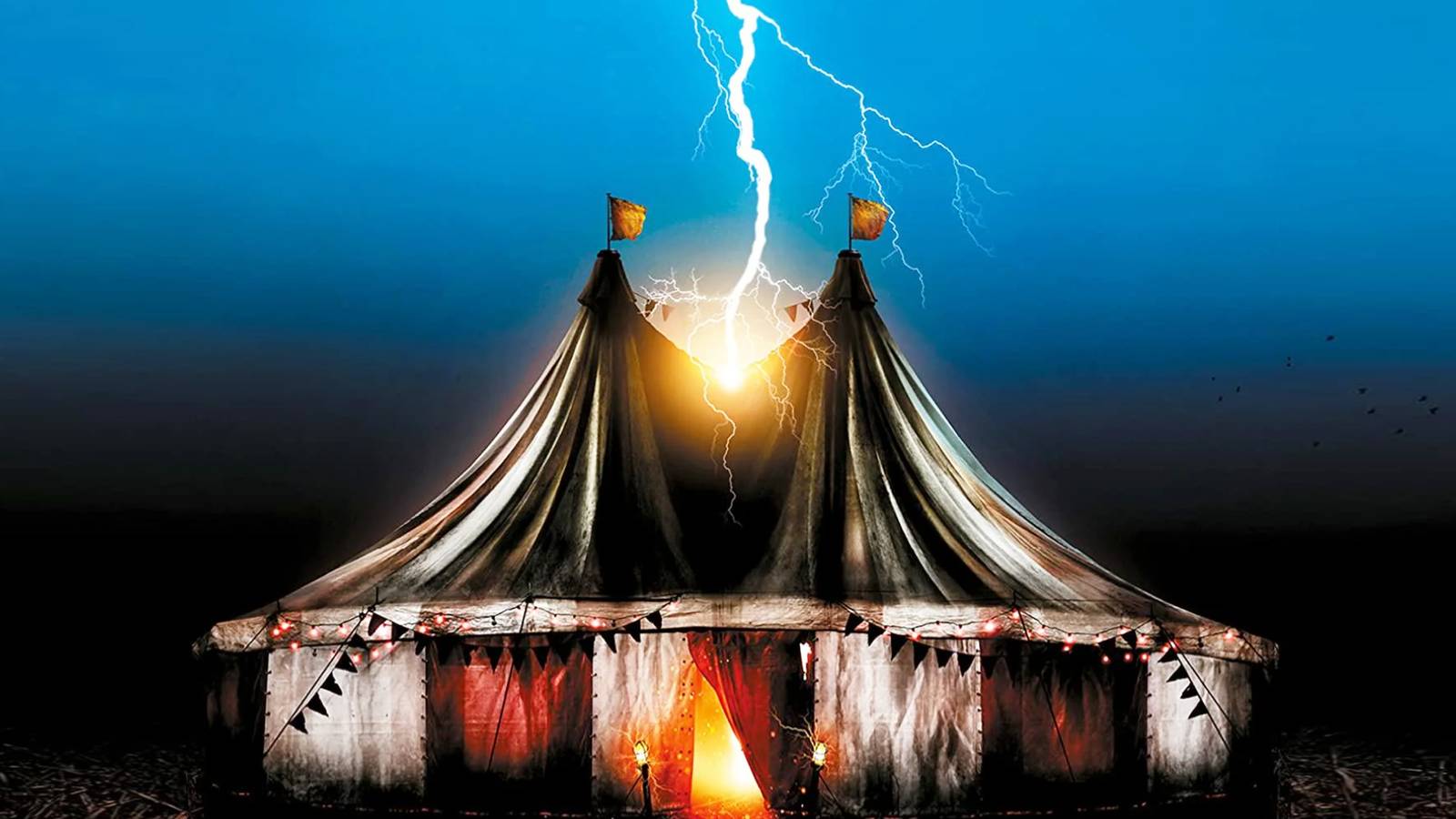
Stephen King is a master of horror, but his bibliography is far more diverse than just scares. He's dabbled in science fiction, blending it with his signature dread to create unforgettable stories. While classics like The Dead Zone and Under the Dome showcase this fusion, one novel often flies under the radar: Revival, published in 2014. This late-career gem proves King still knows how to deliver a gut-punch, and its ending is among the most disturbing he's ever penned.
Set in a small town, the story follows Jamie Morton, a young boy who becomes fascinated by the new minister, Charles Jacobs. But this isn't a gentle tale of faith and community. Tragedy strikes when Jacobs's wife and child die in an accident, shattering his beliefs and sending him down a dark path. Years later, Jamie, now an adult struggling with his own demons, reconnects with Jacobs, who has become obsessed with unlocking the secrets of life after death.

What follows is a slow-burn descent into madness and obsession. Jacobs's experiments, which involve electricity and a mysterious force he calls 'the secret,' begin to yield results. He heals people, but there's a sinister side effect. Those he heals start to exhibit strange, violent behaviors, hinting at a corruption that goes deeper than any physical ailment.
The true horror of Revival unfolds in its final act. Jacobs, driven by grief, manages to contact his dead wife. But what he learns shatters everything. There is no heaven. Instead, there's a vast, ancient, and malevolent entity that awaits all souls after death. This isn't a place of punishment for the wicked; it's the final destination for everyone, regardless of how they lived. The novel doesn't just hint at this; it plunges readers into this nightmarish realm, leaving no room for comfort.
Jamie survives, but he's forever changed. He knows the truth: that death leads to an eternity of torment in a dimension ruled by a cosmic horror. The final pages find him grappling with this knowledge, his life now overshadowed by the certainty of what awaits. It's a bleak, nihilistic ending that lingers long after the book is closed.
This ending isn't just shocking; it retroactively colors King's entire universe. If Revival is connected to his other works, then this terrifying afterlife is the fate of all his characters. It's a chilling thought that makes even his most hopeful stories feel darker. For fans of King's more pessimistic works, like his best horror films, Revival is a must-read.
Comparisons to Pet Sematary are inevitable, as both explore the consequences of tampering with death. But Revival goes further, offering a more cosmic and existential dread. It's a novel that rewards patient readers with a payoff that's as intellectually unsettling as it is viscerally frightening. In a career filled with iconic endings, Revival's stands out as one of King's most audacious and unforgettable.