In an era of sprawling cinematic universes and complex continuity, Disney+'s Star Wars: Visions offers a refreshing alternative. This animated anthology series breaks from tradition, presenting a collection of short films that stand completely on their own. You don't need a roadmap or a deep knowledge of Star Wars lore to enjoy it—you can simply pick an episode that looks interesting and dive right in.
A Galaxy of Standalone Stories
Unlike most franchise entries that rely on interconnected plots, Star Wars: Visions thrives on its independence. Each episode is a self-contained narrative, exploring different corners of the galaxy far, far away. Some stories, like "The Elder," delve into the ancient past, while others, such as "The Twins," imagine futures beyond the known trilogies. This structure liberates both the creators and the viewers, allowing for experimental tales that honor the spirit of Star Wars without being constrained by its official timeline.

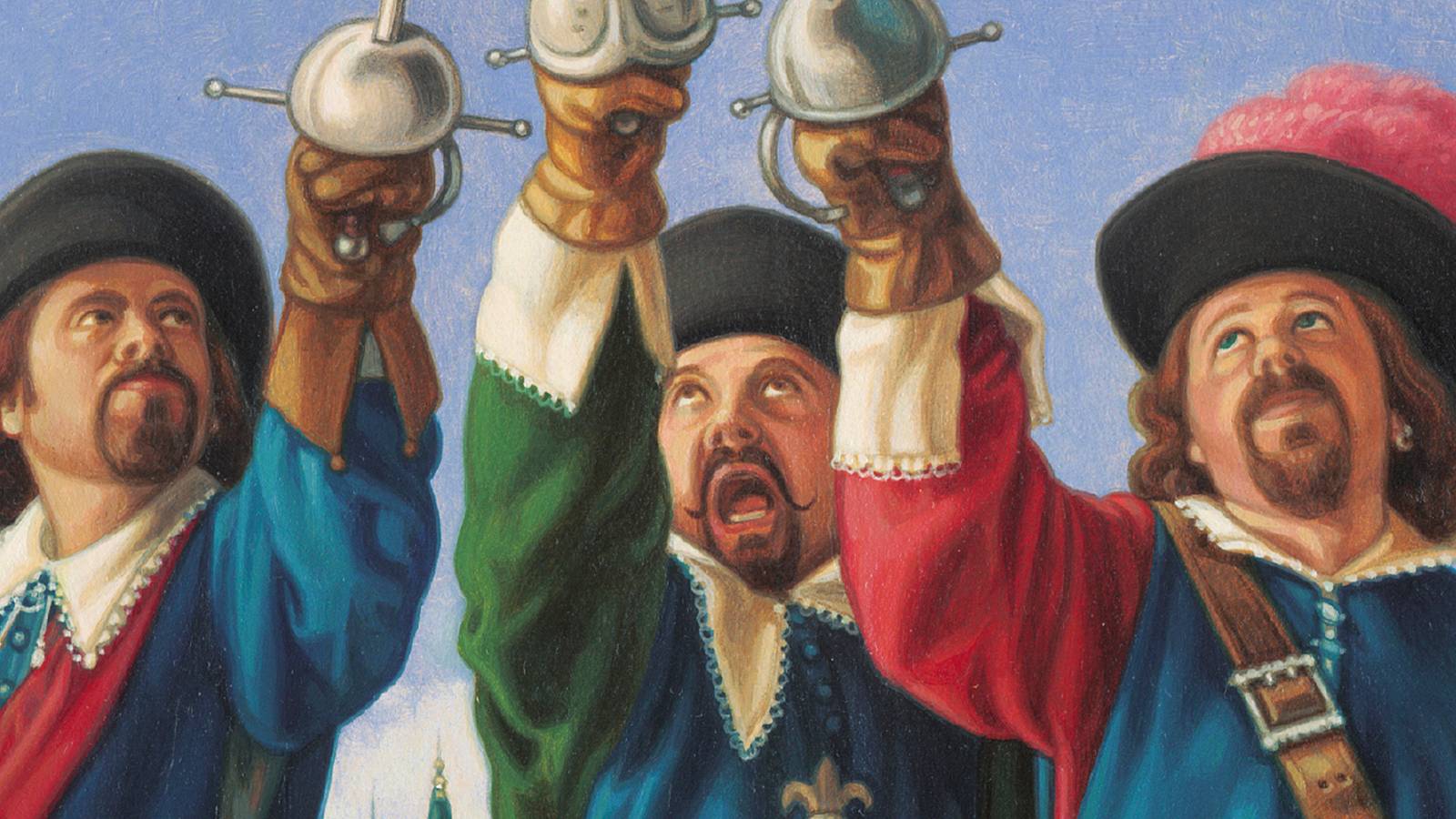
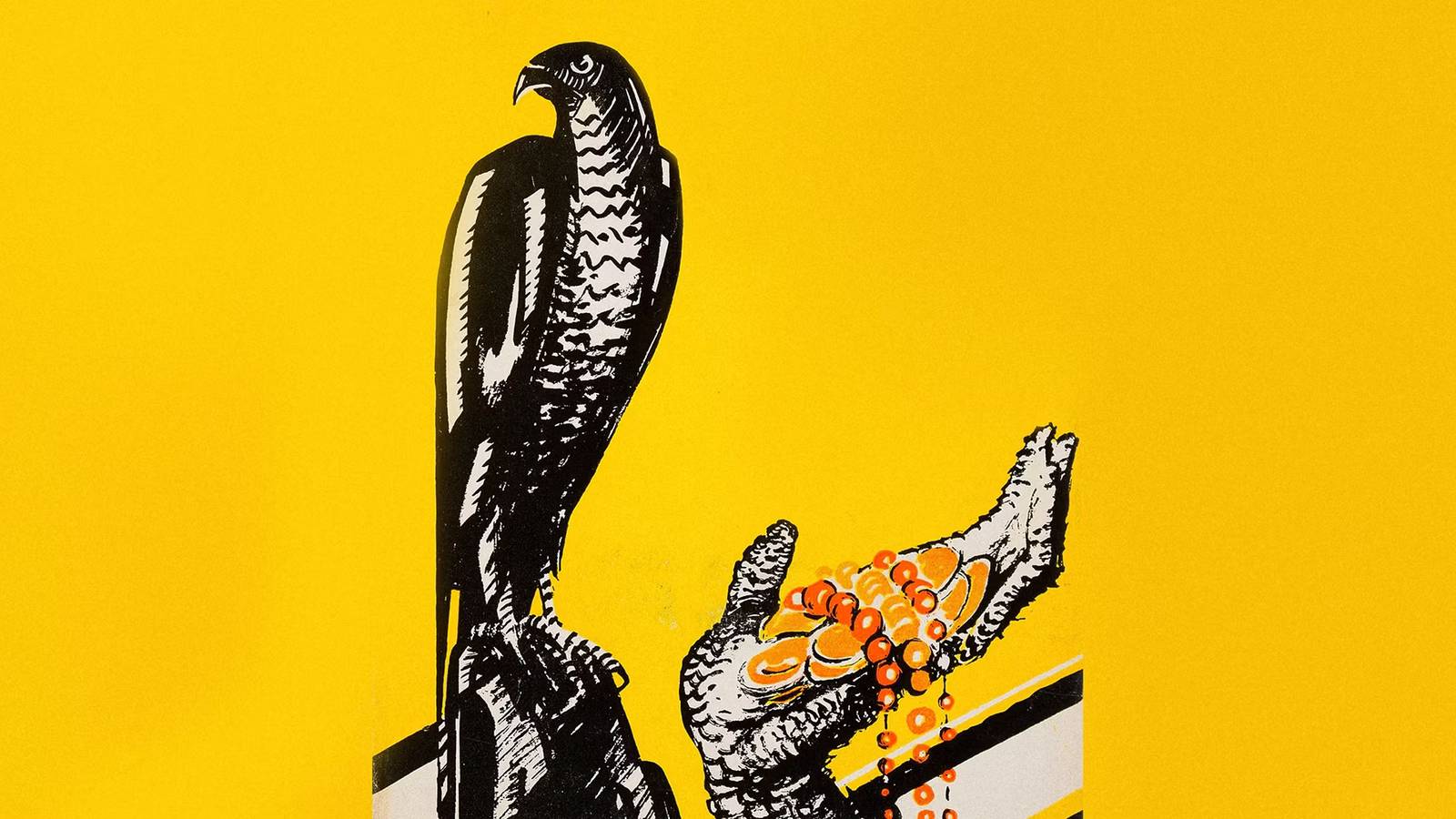
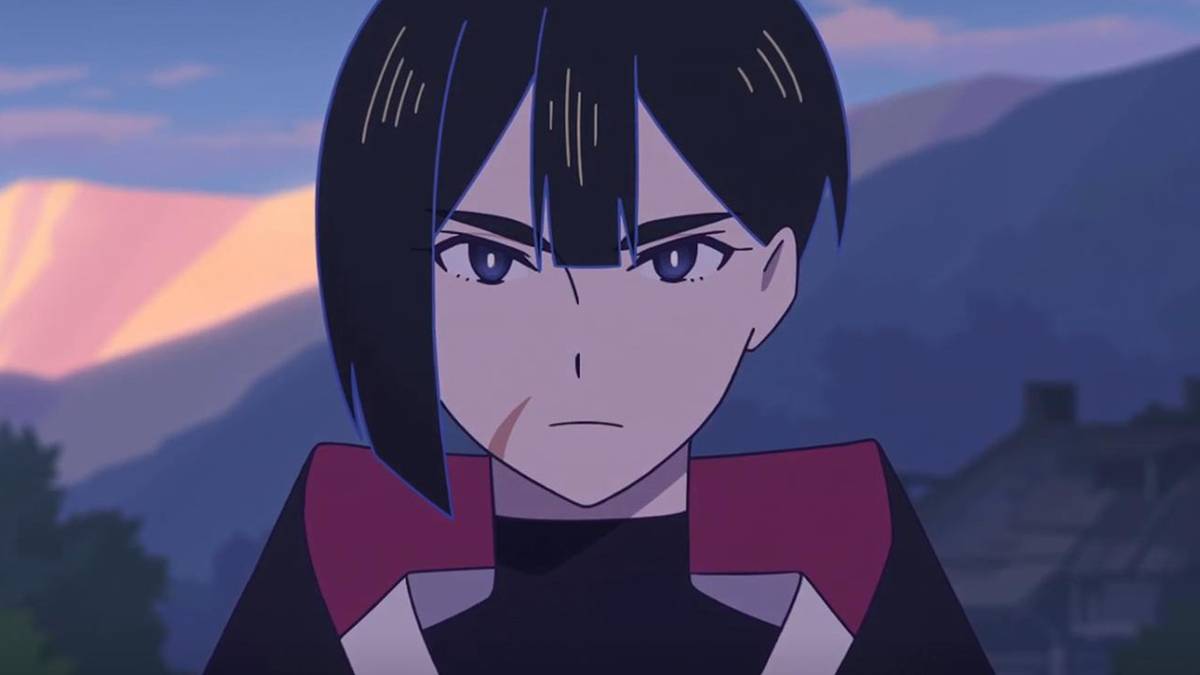
The series is a global artistic collaboration, initially featuring work from top anime studios before expanding to include animation houses from around the world. This results in a stunning visual feast where no two episodes look the same. From the stark, black-and-white aesthetic of "The Duel" to the painterly beauty of "Sith," each short is a unique work of art that reimagines the Star Wars universe through a distinct cultural lens.
Your Entry Point Is Your Choice
The greatest strength of Star Wars: Visions is its accessibility. There's no required viewing order. A fan can begin with a samurai-inspired tale, while a newcomer might be drawn to the folkloric horror of "Screecher's Reach." This approach is a direct answer to franchise fatigue, removing the homework often required to enjoy modern series. It's a perfect model for other studios to follow, much like how Prime Video's most mind-bending thrillers often work as standalone seasons.
While the series is largely non-canon, it thoughtfully expands the galaxy's world-building. Episodes introduce new planets, explore timeless themes of family and the Force, and even revisit familiar settings like Tatooine. They fit within the established universe without contradicting it, offering fresh perspectives on Jedi, Sith, and the ordinary beings caught in between.
A Celebration of Artistic Freedom
The anthology format unleashes incredible creative potential. By partnering with different studios for each episode, the series showcases a breathtaking range of animation styles. This diversity isn't just visual; it extends to the storytelling, incorporating influences from Irish mythology, Spanish art, and Japanese cinema. The result is a richly textured series that proves the Star Wars saga can be a canvas for countless types of stories.
This format is ideal for the streaming age, where viewers appreciate digestible, high-quality content. It's similar to the appeal of a compact, brilliant series like Hulu's 'Reservation Dogs', which delivers a complete narrative arc in a manageable package. Visions offers that same satisfaction in every 15-20 minute episode.
The Perfect Gateway Series
For anyone intimidated by the vast Star Wars catalog, Star Wars: Visions is the ideal starting point. It requires only a basic understanding of the universe's core concepts. The pressure to "catch up" is eliminated, allowing pure enjoyment of character-driven narratives and spectacular animation. It demonstrates that great franchise storytelling can be both innovative and welcoming.
With three seasons available, the series offers a wealth of entry points. While a few episodes in Season 3 are sequels to Season 1 favorites, their stories are designed to work independently. This makes Star Wars: Visions a uniquely flexible and rewarding watch. In a landscape crowded with interconnected stories, it stands out as a testament to the power of creative freedom and accessible, episodic storytelling.