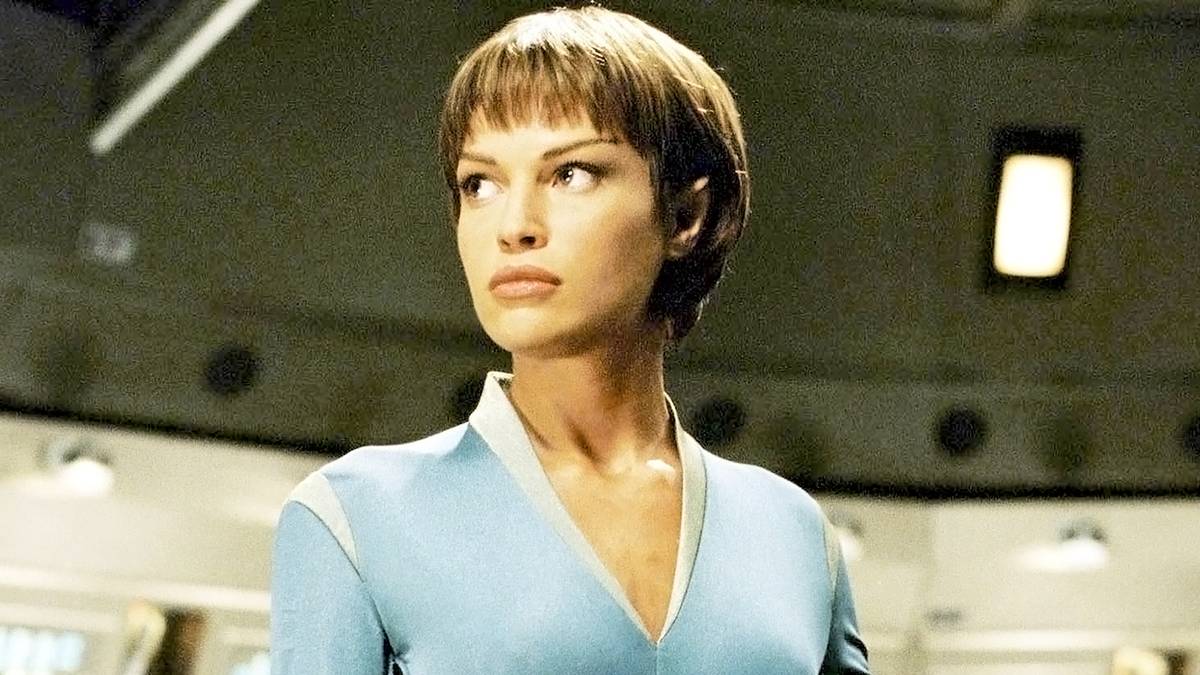
Two decades after its controversial cancellation, Star Trek: Enterprise is experiencing a remarkable streaming renaissance. The series, which originally aired from 2001 to 2005, has become one of Apple TV+'s unexpected success stories, consistently ranking in the platform's top charts and introducing Captain Jonathan Archer's early voyages to a new generation of viewers.
From Network Misfire to Streaming Secret
When Enterprise first debuted, it arrived at a challenging time for the Star Trek franchise. Following the polished diplomacy of The Next Generation and the complex politics of Deep Space Nine, this prequel series presented a stark contrast: a universe without the United Federation of Planets, where humanity's place among the stars was uncertain and unearned. Captain Archer (Scott Bakula) and his crew operated without established protocols, making mistakes and learning through trial and error—a departure that initially alienated fans accustomed to more refined Starfleet operations.

The series deliberately stripped away the familiar comforts of later Star Trek eras. Early episodes like "Fight or Flight" showed a hesitant crew encountering alien threats, while "Dear Doctor" presented morally ambiguous dilemmas without clear resolutions. Unlike the confident captains who followed, Archer often acted on frustration and instinct rather than established procedure, creating what many perceived as a tonal mismatch with the franchise's identity.
Why Modern Viewers Are Connecting
The streaming era has fundamentally changed how audiences engage with Enterprise. What once felt like disjointed episodes now reveals itself as deliberate world-building when consumed in sequence. The binge-watching model allows viewers to appreciate how early missteps and cultural misunderstandings in episodes like "Civilization" and "The Andorian Incident" establish crucial foundations for later developments.
This shift in viewing habits has transformed Archer from a perceived misfit into a compelling origin story. His unrefined leadership style now reads as authentic to humanity's first deep-space mission rather than a flawed interpretation of Starfleet ideals. The series' commitment to showing the messy, uncertain beginnings of interstellar diplomacy has aged remarkably well, particularly when compared to more formulaic franchise entries.
The Turning Point That Changed Everything
The series found its definitive direction with the Xindi arc beginning in Season 2's "The Expanse." Abandoning the "planet-of-the-week" format, the show committed to a serialized story of survival and retaliation after an attack on Earth. This narrative shift allowed Enterprise to fully embrace its grittier premise, with episodes like "Anomaly" and "Azati Prime" showcasing Archer's transformation into a more decisive—and sometimes ruthless—leader.
This evolution demonstrates how some television projects, like certain franchise reboots, can be initially misunderstood before finding their audience. The Xindi storyline's intensity and serialized nature play particularly well to modern streaming preferences, creating the sustained tension that contemporary viewers expect from premium science fiction.
A Second Life on Streaming Platforms
Enterprise's current success on Apple TV+ highlights how streaming services can resurrect and redefine television history. Without the weekly pressure and network expectations that originally surrounded the show, new audiences can appreciate it as a complete narrative rather than judging it against what came before in the Star Trek timeline.
The series now stands as a compelling example of how prequels can enrich a franchise's mythology when given proper context. Much like how certain sci-fi sagas maintain relevance through rediscovery, Enterprise benefits from the perspective that time and changing viewing habits provide. Its chart performance suggests that what was once considered a franchise misstep has become essential viewing for understanding Star Trek's complete evolution.
The show's streaming success story mirrors how other initially overlooked genre works have found dedicated followings through digital distribution. As audiences continue to explore the vast libraries of streaming services, previously underappreciated series like Enterprise demonstrate that sometimes a show simply arrives at the wrong time for its initial audience—only to find its perfect moment years later.