One of Spider-Man's most iconic characters is finally getting her Marvel Studios debut, but not where fans might expect. Gwen Stacy, who has been notably absent from Marvel's main Spider-Man orbit despite her popularity in other media, is swinging into action in 2026 through animation rather than live-action.
An Animated Arrival With a Twist
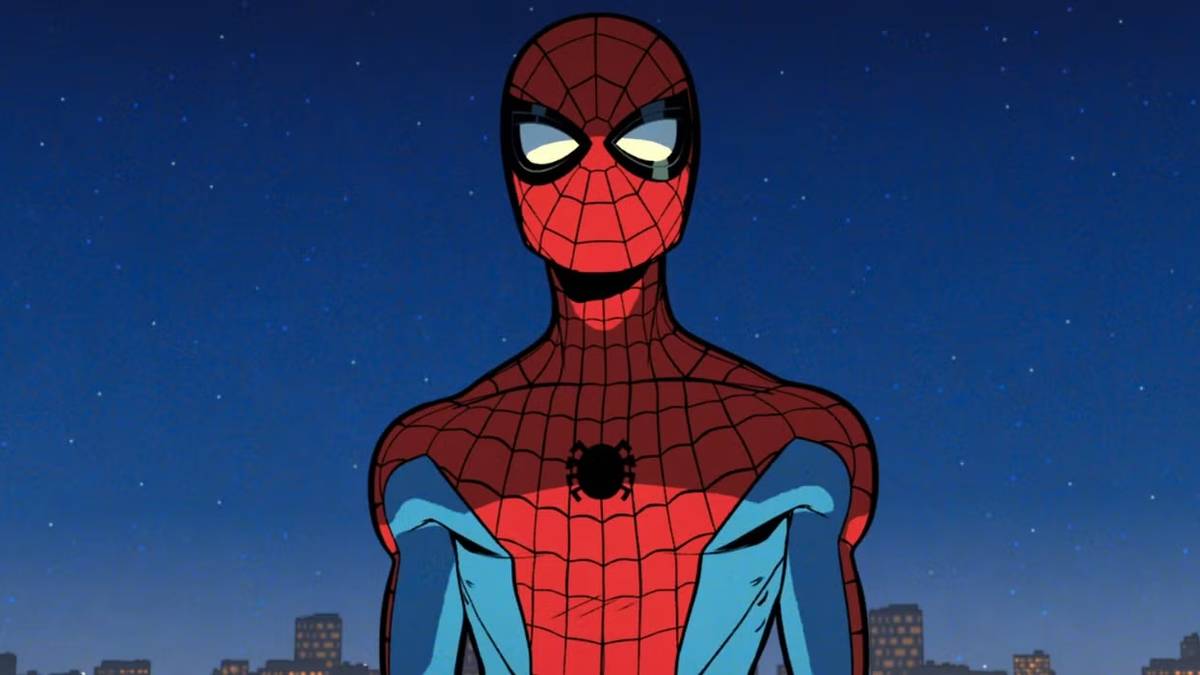
Marvel has confirmed that Gwen Stacy will make her first appearance in the Marvel Studios-produced universe through Season 2 of "Your Friendly Neighborhood Spider-Man" on Disney+. The series returns in fall 2026, and showrunner Jeff Trammell has already teased that this won't be just another civilian classmate for Peter Parker. This version of Gwen will receive the full Spider-Gwen treatment, complete with her own spider-powers and costume.

The animated series exists in its own alternate timeline separate from the main MCU "Sacred Timeline," meaning this Gwen won't be crossing paths with Tom Holland's Peter Parker anytime soon. This creative decision gives the show freedom to remix classic Spider-Man lore without being constrained by live-action continuity. The premiere episode already established that the radioactive spider that bit Peter arrived through a portal, leaving the door open for more spider-powered individuals at Midtown High.
Why This Matters for Spider-Fans
Gwen Stacy's absence from Marvel's Spider-Man stories has been particularly noticeable given her prominence elsewhere. Emma Stone portrayed her in "The Amazing Spider-Man" films, Hailee Steinfeld voices the hugely popular Spider-Gwen in Sony's "Spider-Verse" animated movies, and even Bryce Dallas Howard had a brief appearance in Sam Raimi's "Spider-Man 3." Marvel is finally putting one of Peter Parker's most important comic-book relationships on the board, even if it's in an alternate universe.
Season 2 promises more than just Gwen's introduction. Trammell has hinted at increased symbiote trouble and the return of Charlie Cox as Daredevil, suggesting the animated series will continue expanding its corner of the Marvel multiverse. The show originally began development as something closer to an MCU prequel before evolving into its own reimagining, a change that critics say ultimately helped it find its unique voice.
What Critics Say About the Series
In his review for Collider, Mike Thomas noted that while "Your Friendly Neighborhood Spider-Man" might not reach the heights of the very best Spider-Man cartoons, it succeeds in many areas. "The series delivers in almost every way," Thomas wrote. "Yes, there's some strange animation at times, and sure, the main story beats are things we know like the back of our hand, but there's just enough here to make for a fun watch."
Thomas praised the show's characters, art design, score, and its take on Norman Osborn, calling it "a love letter to all things Spider-Man" that offers something for both lifelong fans and casual viewers. The freedom from MCU continuity allows the series to revisit Peter Parker's early days with fresh perspective while maintaining the core elements that make Spider-Man stories resonate.
The announcement continues a trend of successful animated superhero storytelling, similar to how Prime Video's 'Pretty Lethal' found its audience by focusing on character-driven action. Meanwhile, fans of Marvel's deeper cuts might appreciate this expansion of the multiverse, much like those who still champion Agent Carter as Marvel's lost gem a decade after its cancellation.
With fall 2026 marking Gwen Stacy's animated debut, Marvel continues to explore different avenues for its characters across various media. While Tom Holland's Spider-Man might not be getting his Gwen just yet, the animated series offers an exciting alternative for fans eager to see this classic dynamic play out in new ways. The multiverse approach allows for creative storytelling that can honor comic book history while charting its own course, proving that sometimes the most compelling twists come from reimagining familiar elements rather than abandoning them entirely.