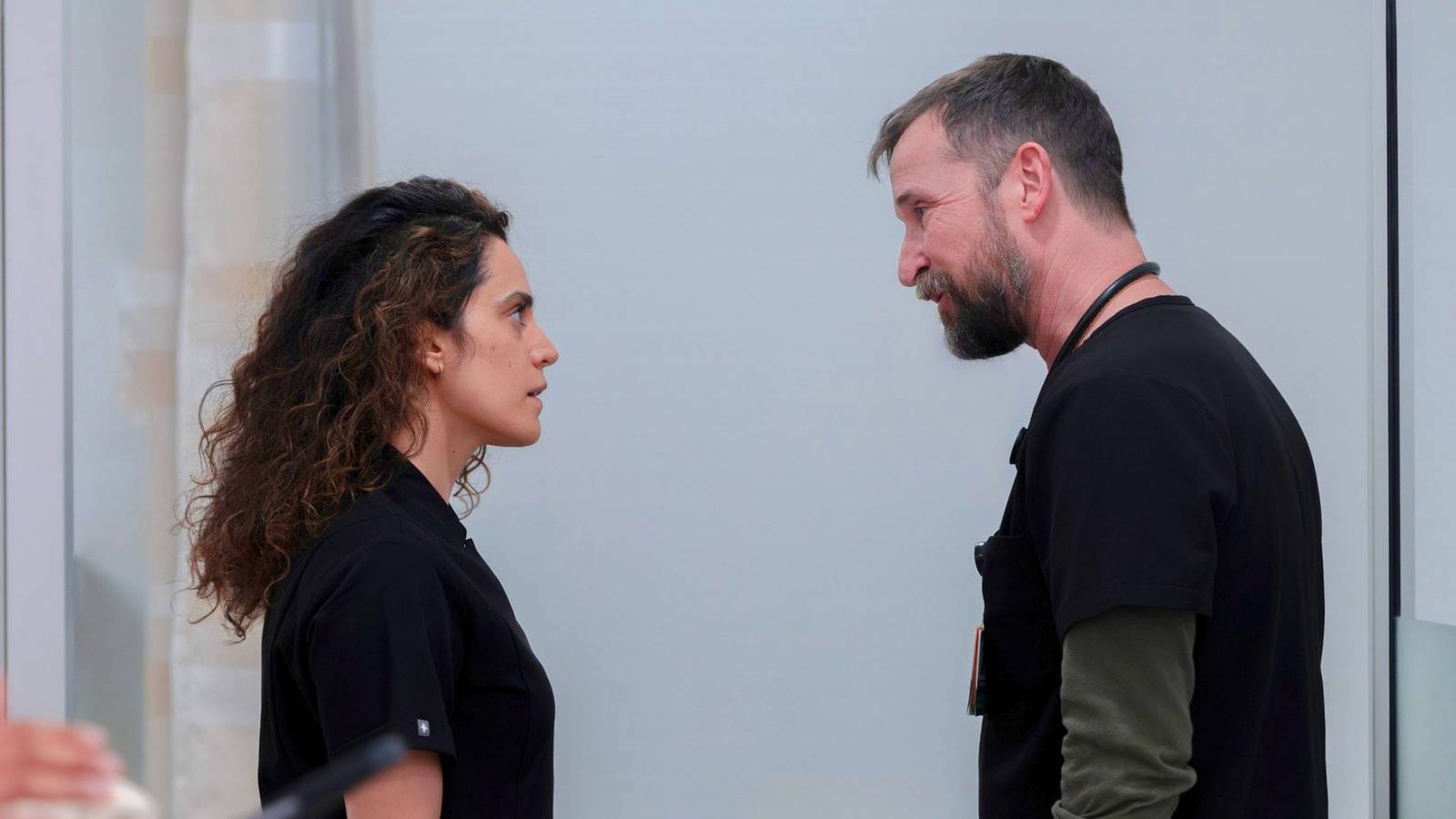
The high-stakes drama at Pittsburgh Trauma Medical Center reached a boiling point in the Season 2 finale of HBO Max's The Pitt, leaving fans with a cliffhanger and a heated debate. The central conflict saw Dr. Baran Al-Hashimi (Sepideh Moafi) and Dr. Robby (Noah Wyle) in a final, explosive confrontation over her medical fitness to practice, a moment that has sparked significant discussion among viewers.
A Clash of Leadership Styles
In an exclusive interview, Moafi delved into the core of the characters' rift. She framed the showdown not just as a medical disagreement, but as a fundamental clash between leadership philosophies. "Dr. Al-Hashimi leads with empathy and questions," Moafi explained, highlighting how her character consciously avoids letting past trauma harden her approach to patients or colleagues. In contrast, she describes Dr. Robby's method as more "traditional and domineering," suggesting a competitive environment where "there's only room for one" at the top.
Moafi pointed out that the dynamic of the argument was particularly charged because the two doctors are professional equals. She speculated that if another colleague, like Dana (Katherine LaNasa), had raised the same concerns, the conversation would have unfolded with more mutual trust. "I would trust in Dana's judgment... It's not up to me to scold her," Moafi said, underscoring Al-Hashimi's collaborative nature versus what she perceives as Robby's overstep.
Addressing the Fan Backlash
The actor also directly addressed the wave of criticism her character faced from some segments of the audience throughout the season. Moafi acknowledged that Dr. Al-Hashimi was intentionally written to disrupt the established order of the hospital, which naturally put her at odds with a beloved figure like Dr. Robby. "Dr. Robby is America's golden boy... anyone who comes in his path is going to be scrutinized," she noted.
However, Moafi expressed being "disturbed" by the intensity of some reactions, hinting at a gendered component to the scrutiny. "If this were a dude, they probably wouldn't be as hard on her in the beginning," she reflected. Despite this, as a performer, she embraces the controversy. "I love instigating some kind of conversation... People, have at it!" Moafi stated, encouraging the dialogue the show has sparked among fans.
The finale left Al-Hashimi's future at the hospital uncertain after Robby challenged her ability to treat patients while managing a seizure condition. While the show bid farewell to Dr. Samira Mohan (Supriya Ganesh), the door remains open—or perhaps just ajar—for Al-Hashimi's potential return in a hypothetical third season.
This kind of intense character-driven conflict is a hallmark of premium medical dramas, much like the interpersonal fireworks that have made shows like Euphoria a constant topic of debate, even amid criticism.
For Moafi, the journey has been deeply personal. She has previously shared her hopes to return as Dr. Al-Hashimi, and has peeled back the hidden layers of her character's finale breakdown, adding rich context to the on-screen drama.
As audiences await news on the show's future, the conversation ignited by that pivotal finale argument continues. It questions not only who was right in the moment, but also what kind of leadership and empathy we value in our institutions—both fictional and real.