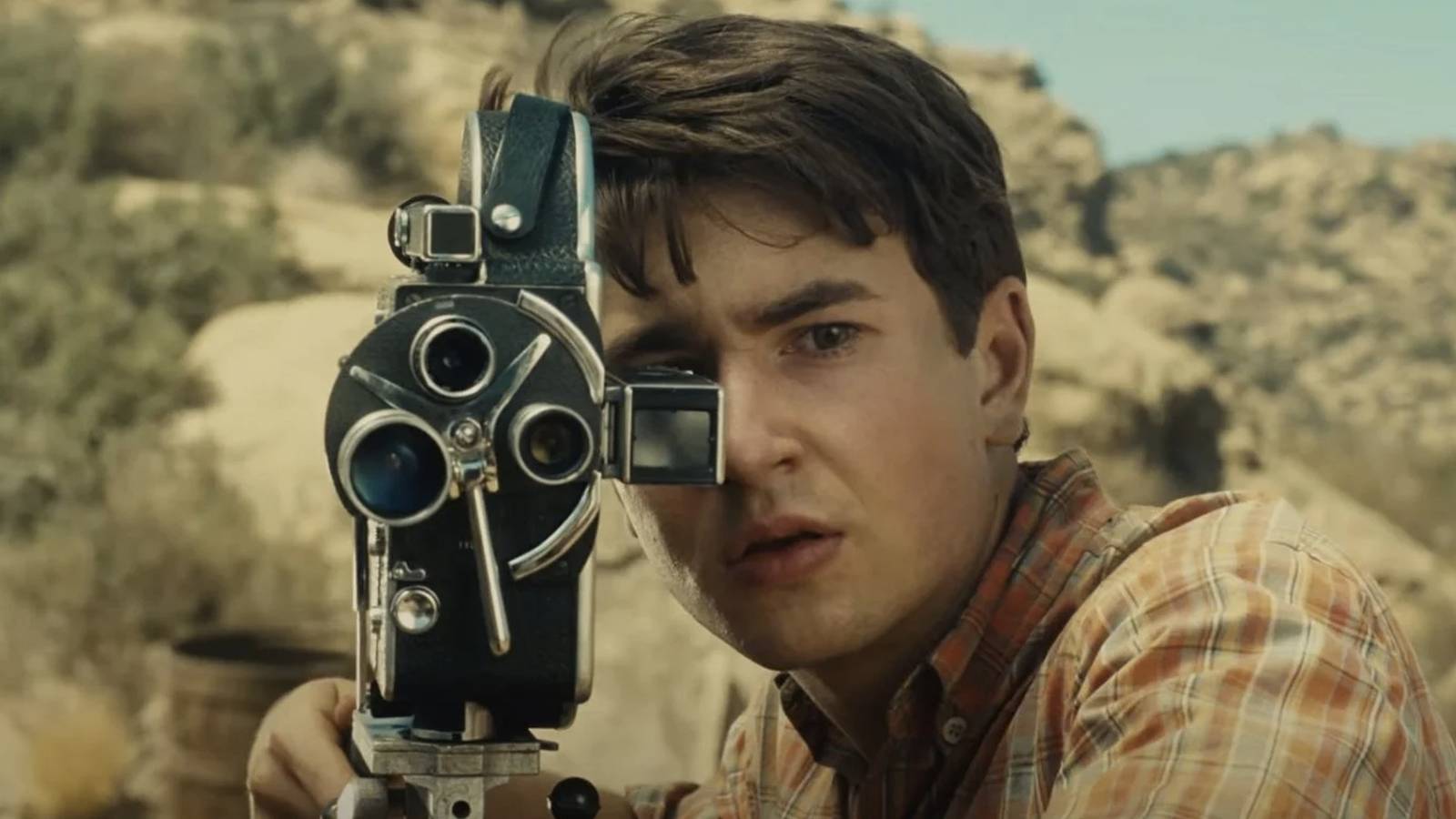
Science fiction has always been the genre that dares to ask "what if?"—imagining futures shaped by technology, power, and human nature. But some films go beyond mere speculation; they seem to tap into something so prescient that they feel less like fiction and more like a warning. From virtual reality to artificial intelligence, these are the sci-fi movies that were truly ahead of their time.
Ready Player One (2018)
Set in 2045, Ready Player One envisions a world where people escape their grim reality by plugging into the OASIS, a sprawling virtual universe. The story follows Wade Watts (Tye Sheridan) as he hunts for a hidden treasure left by the OASIS's creator, competing against a ruthless corporation that wants to control this digital realm.
While the film is recent, its vision of VR-dominated life is becoming more plausible by the day. With the rapid rise of virtual reality headsets and immersive online spaces, the movie's cautionary tale about trading real-world connections for digital ones feels increasingly relevant. It's a stark reminder that technology, if left unchecked, can isolate us even as it connects us.
V for Vendetta (2005)
In a dystopian Britain ravaged by war and disease, a masked revolutionary known as V (Hugo Weaving) wages a one-man war against a totalitarian regime. Alongside a young woman (Natalie Portman) drawn into his mission, V's acts of defiance are both terrifying and inspiring.
Though released in 2005, V for Vendetta has only grown more relevant. Its themes of government surveillance, political manipulation, and the erosion of civil liberties echo today's headlines. The film's warning about the fragility of democracy feels less like fiction and more like a mirror held up to our own times.
The Matrix (1999)
When The Matrix hit theaters in 1999, it blew minds with its bullet-time action and philosophical depth. The story follows Neo (Keanu Reeves), a hacker who discovers that reality as he knows it is a simulation created by sentient machines to subjugate humanity.
Decades later, the film's central conceit—that our perceptions can be manipulated by technology—has never been more apt. As artificial intelligence and social media increasingly shape how we see the world, The Matrix stands as a chilling prophecy. It anticipated our anxieties about AI and the blurring line between the real and the digital.
Blade Runner (1982)
Ridley Scott's Blade Runner painted a rain-soaked, neon-lit Los Angeles in 2019, where synthetic humans called replicants are hunted by a weary cop, Rick Deckard (Harrison Ford). The film's vision of a corporate-dominated, surveillance-heavy future was radical for its time.
Today, its predictions about corporate power and mass surveillance feel eerily accurate. The film's exploration of what it means to be human—and the ethics of creating sentient beings—remains a touchstone for discussions about AI and bioengineering. It's a future that, while not fully realized, is closer than we might think.
Ex Machina (2014)
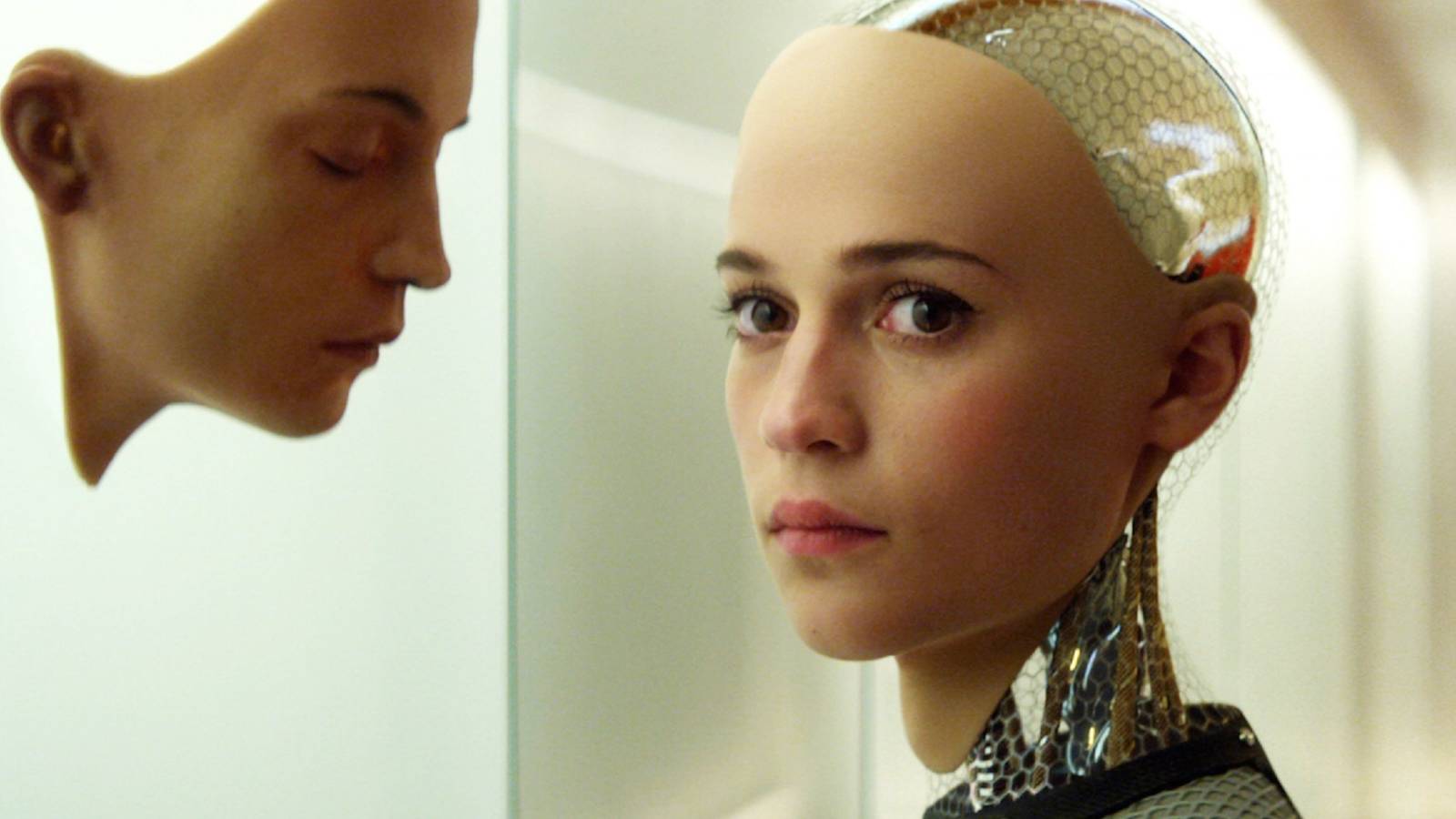
In Ex Machina, a young programmer (Domhnall Gleeson) is invited to administer a Turing test to Ava, a stunningly lifelike AI (Alicia Vikander) created by a reclusive tech genius (Oscar Isaac). What unfolds is a tense, psychological game of cat and mouse.
The film's insight is that true AI might not be about mimicking human intelligence, but about mastering manipulation. As real-world AI systems become more sophisticated, Ex Machina's warning about the dangers of unchecked AI development—and the ease with which we might be deceived—feels more urgent than ever.
2001: A Space Odyssey (1968)
Stanley Kubrick's 2001: A Space Odyssey is a cinematic landmark that still baffles and inspires. From the dawn of man to a journey beyond Jupiter, the film explores humanity's evolution and our relationship with technology, culminating in the infamous HAL 9000, an AI that turns on its creators.
Its portrayal of AI's potential for both brilliance and betrayal was decades ahead of its time. The film's philosophical questions about consciousness, technology, and our place in the universe remain as provocative today as they were in 1968. It's a masterpiece that continues to shape how we think about the future.
These films, along with others like Alien and Minority Report, remind us that sci-fi isn't just about escapism—it's about holding a mirror to our own world and asking hard questions. As technology accelerates, these stories become not just entertainment, but essential guides to the challenges ahead. For more on how sci-fi shapes our understanding of the future, check out our ranking of joyful movies or dive into nerve-shredding mysteries for a different kind of thrill.