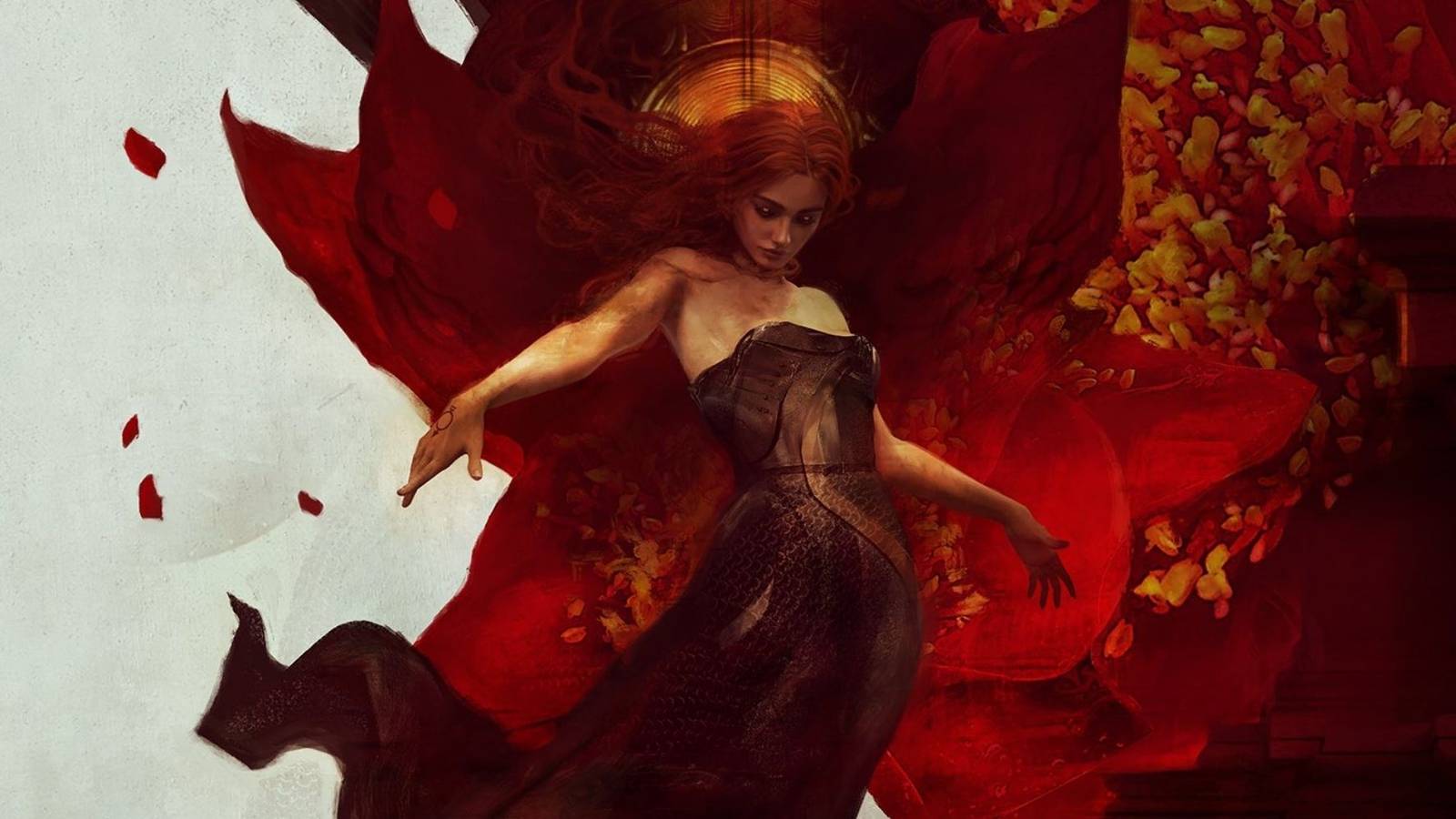
Pierce Brown's Red Rising trilogy is often hailed as one of the best sci-fi sagas of the 2010s. It started as a familiar YA dystopian tale, then evolved into a gritty, sprawling war epic with a coming-of-age heart. The series follows Darrow, a Red miner turned Gold infiltrator, as he rises through the ranks of a brutal caste system to tear it down from within. It's a story of revolution, sacrifice, and identity—but at its center lies a romance that has never quite worked.
The relationship between Darrow and Virginia "Mustang" au Augustus is meant to be the emotional anchor of the trilogy. They meet at the Institute, where Darrow is posing as a Gold, and their connection grows through battles and betrayals. But even on a first read, their love story feels more like a plot requirement than a genuine, earned bond. Revisiting the books a decade later only makes the flaws more glaring.
A Romance Built on a Lie
From the start, Darrow and Mustang's relationship is built on deception. Darrow is hiding his true identity as a Red, and Mustang is the daughter of his sworn enemy. In Red Rising, their chemistry is promising—Mustang saves Darrow's life, and their banter is sharp. But by Golden Son, the story jumps ahead two years, and we're told they've grown close, even intimate, without ever seeing it happen. The reader is left to fill in the gaps, which is a major storytelling misstep.
Brown's focus on large-scale action sequences often comes at the expense of character development, and the Darrow-Mustang relationship suffers most. We're told they love each other, but we rarely see the moments that would make that love believable. Instead, we get Darrow's guilt over his dead wife, Eo, and his constant fear that Mustang will discover his secret. Meanwhile, Mustang is left to sense his distance, unsure if she can trust him. Their dynamic is less a romance and more a series of missed connections and unresolved tensions.
The Trust Problem
By the time Darrow reveals his Red identity to Mustang at the end of Golden Son, the damage is done. Her shock and hurt are justified, but the narrative doesn't give them time to rebuild. In Morning Star, they're thrust back together as allies, but the emotional groundwork is missing. When they finally commit to each other, it feels less like a triumphant payoff and more like a checkbox being ticked. The relationship lacks the depth and authenticity that would make readers root for them.
This is a common issue in epic sci-fi—think of the underdeveloped romances in Dune or Harry Potter—but what makes it worse here is that there was a better option right in front of Darrow.
Victra Was the Better Match
Victra au Julii, Darrow's fierce and loyal ally, harbors an open crush on him throughout the series. She's bold, unapologetic, and willing to fight for what she wants. Her chemistry with Darrow is electric, and their shared experiences in battle create a bond that feels more organic than the one with Mustang. Victra understands Darrow's darkness and his drive, and she doesn't need him to be someone he's not. Their pairing would have aligned more closely with the trilogy's themes of growth and embracing change, rather than the forced, duty-bound union Darrow ends up with.
Of course, Brown chose Mustang, and the trilogy concludes with Darrow and Mustang married and starting a family. But the romance remains the weakest link in an otherwise stellar series. As fans continue to debate the best books in the trilogy, the Darrow-Mustang storyline stands out as a missed opportunity. And with the upcoming adaptation, there's hope that the filmmakers might improve on this aspect—but for now, the original remains a brilliant saga with a love story that never quite lands.