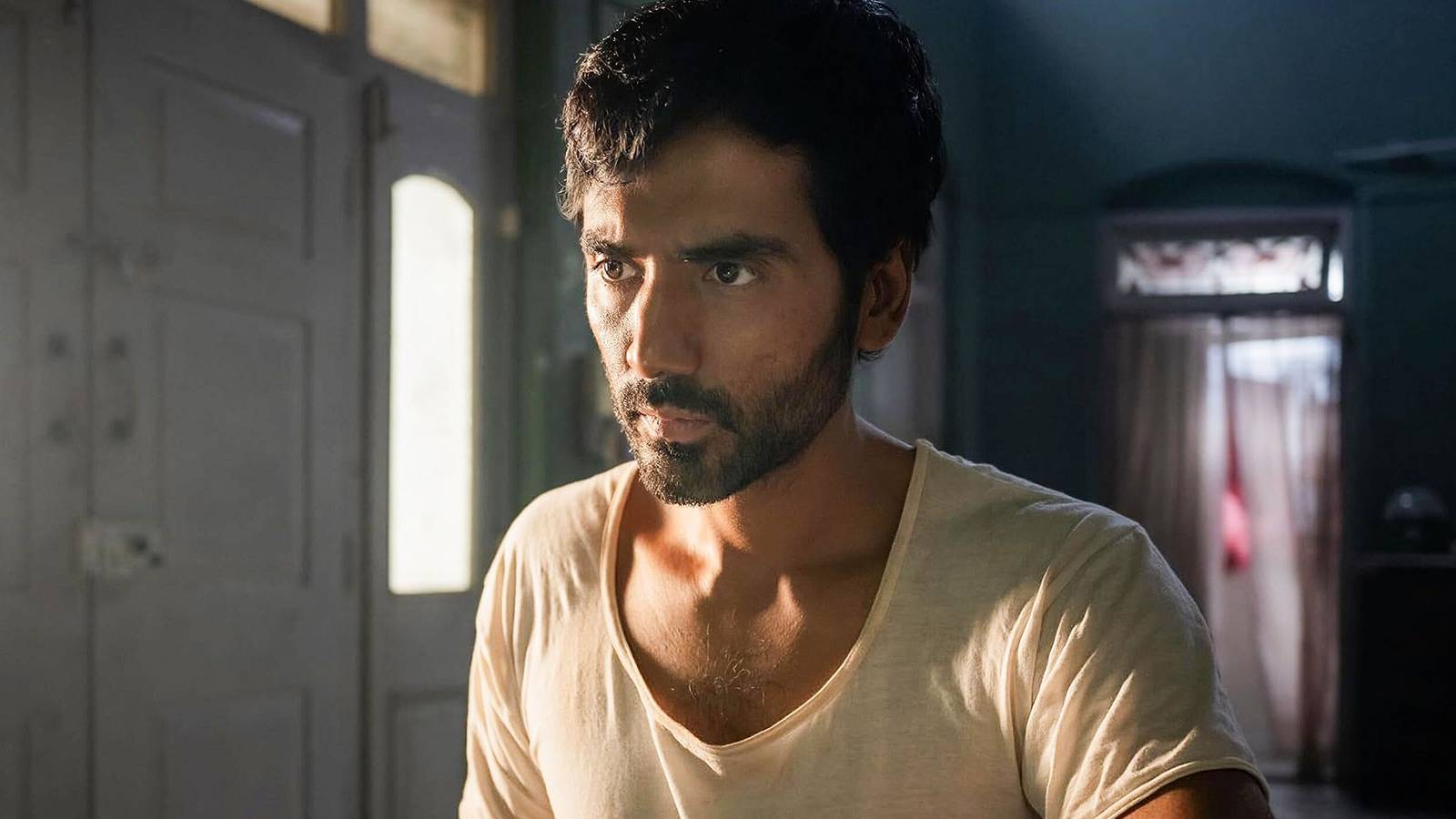
After the sleek, stylish success of Drive, director Nicolas Winding Refn and star Ryan Gosling reunited for a project that would sharply divide audiences. Only God Forgives, the 2013 neon-soaked thriller, wasn't interested in repeating past triumphs. Instead, it plunged viewers into a brutal, hypnotic, and intentionally alienating vision that cemented its status as one of the decade's most debated films. Now, Prime Video subscribers have a final deadline: the movie accelerates off the platform for good on March 31, 2026.
A Bangkok Nightmare
Set in the shadowy underworld of Bangkok, the film casts Gosling as Julian, a taciturn American expat running a boxing club. His life is violently upended after his brother's murder, triggering a chain of events that pulls him into a surreal conflict with a mysterious, vengeance-driven police lieutenant named Chang (Vithaya Pansringarm). Kristin Scott Thomas delivers a memorably ferocious performance as Julian's monstrous mother, Crystal, who arrives to demand retribution. The narrative unfolds with deliberate, often silent, pacing, punctuated by shocking bursts of ultra-violence and bathed in Refn's signature neon-drenched cinematography.

Why It Split Critics and Fans
Where Drive balanced its cool aesthetic with a palpable emotional core, Only God Forgives deliberately strips that warmth away. The result is a film that functions more as a dark tone poem or a waking nightmare than a conventional thriller. Critics were polarized. Some found it pretentious and emotionally hollow, a stylistic exercise that failed to engage. Others hailed it as a bold, uncompromising work of art from a director in complete control of his vision. For every viewer frustrated by Gosling's near-silent performance, another was mesmerized by its atmospheric power.
This divisiveness is precisely what has given the film its enduring cult appeal. It's not a movie you simply watch; it's an experience you react to—often strongly. As one contemporary review noted, it serves as a "90-minute thesis statement" for Refn's subsequent career, unwavering in its commitment to a singular, unsettling aesthetic. It's a challenging watch, but for those attuned to its wavelength, it remains a fascinating artifact.
Your Last Chance to Stream
The clock is ticking for Prime members who want to experience or revisit this cinematic Rorschach test. Mark your calendars for March 31, 2026, as the film's licensing agreement expires. Its departure is part of a larger content shift on streaming platforms; for instance, fans of classic rom-coms should note the similar impending exit of 'Sleepless in Seattle' from the service.
If you're a fan of Gosling's work but prefer more narrative-driven sci-fi, you might be looking forward to his future in the genre. His upcoming 'Project Hail Mary' project has many believing he's perfect for a Star Wars role. And for those who enjoy tense, divisive thrillers, Prime Video still hosts other gems like Keanu Reeves's controversial 'Knock Knock'.
The Legacy of a Cult Film
Over a decade later, Only God Forgives stands as a defining moment in both Gosling's and Refn's filmographies. It proved that their collaboration wasn't just about replicating the cool factor of Drive, but about pursuing a raw and unfiltered artistic vision, regardless of commercial appeal. Whether you find it a masterpiece or a misfire, its impending departure from Prime Video offers a final opportunity to judge for yourself. Will you take the ride into its neon-lit darkness before it's gone?