Some television concepts seem destined for the big screen. The time-loop narrative, a staple of films like Groundhog Day and Edge of Tomorrow, presents a unique challenge for TV: how to sustain repetition without losing momentum or meaning. The genre's central question—what would you do if you relived the same day endlessly?—demands more than clever mechanics; it requires profound character exploration. Few series have cracked this code, but Netflix's Russian Doll isn't just a rare success—it's a masterpiece from its first bewildering death to its final, resonant moment.
What Makes Russian Doll a Must-Watch Mystery?
Debuting in 2019, Russian Doll introduces us to Nadia Vulvokov, a brilliantly caustic game developer played by Natasha Lyonne. On her 36th birthday, Nadia finds herself trapped in a surreal nightmare: no matter how she dies, she wakes up back at her birthday party, forced to relive the same night. What begins as a darkly comic puzzle evolves into a deep dive into Nadia's past, her fractured relationships, and the emotional cycles she can't break.
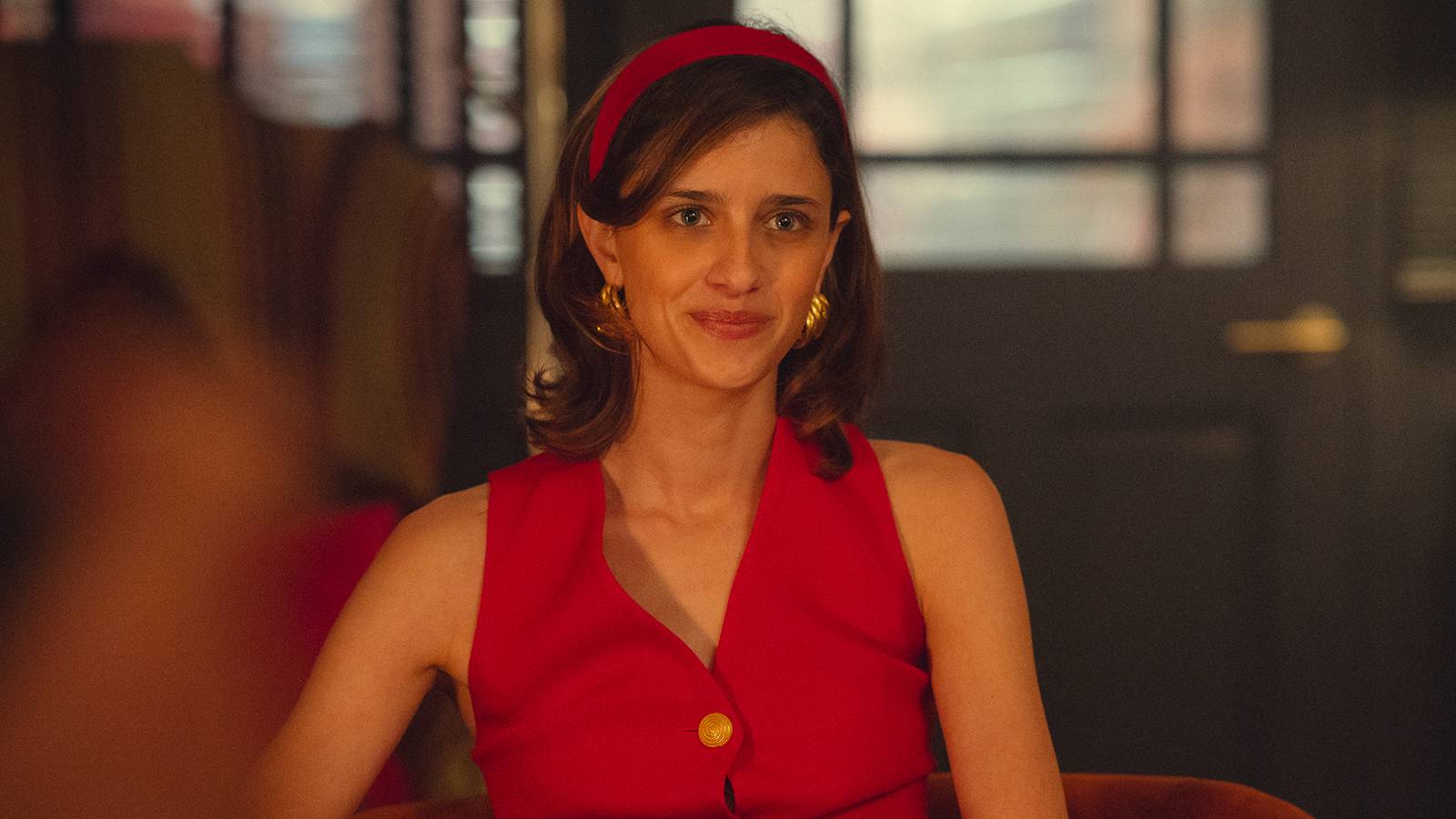
The story's genius expands when Nadia crosses paths with Alan (Charlie Barnett), a man stuck in his own, equally distressing loop. Their connection transforms the narrative from a solitary quest into a shared journey of healing. Supported by a stellar ensemble including Greta Lee and Elizabeth Ashley, the show grounds its increasingly surreal premise in raw, authentic human connection.
A Bold Evolution in Season Two
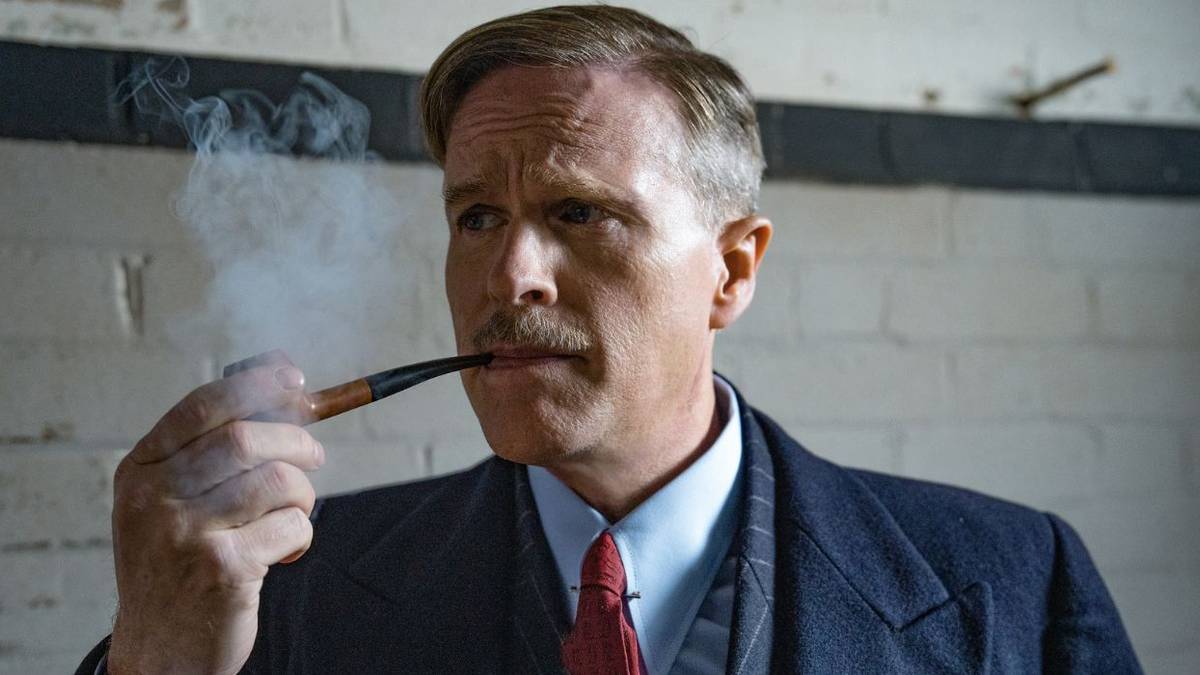
Rather than rehashing its initial formula, Russian Doll takes a daring leap in its second season. Moving beyond the confines of a single night, the story vaults through time, traveling to 1980s East Berlin and 1940s New York to excavate Nadia's family history and generational trauma. Chloë Sevigny returns with a powerful performance as Nadia's mother, Nora, adding devastating emotional weight. While creator Lyonne has hinted at ideas for a third season, the existing two chapters form a remarkably complete and satisfying arc, a rarity in today's landscape of endless renewals.
The Creative Engine Behind a Perfect Series
The show's brilliance is no accident. Co-created by Natasha Lyonne, Amy Poehler, and Leslye Headland, Russian Doll benefits from a singular creative vision that balances razor-sharp wit with profound emotional depth. The series exhibits remarkable restraint, never bogging down in over-explained sci-fi rules. Instead, it uses its high-concept framework to serve its characters, making the existential stakes feel intensely personal.
Lyonne's performance is the undeniable anchor. She embodies Nadia with a unique blend of abrasive humor, deep vulnerability, and world-weary charm. It's a career-defining role that earned her well-deserved Emmy nominations, while the series itself was recognized for its sharp writing and the distinctive, atmospheric cinematography of Chris Teague.
For fans seeking another tightly-wound, character-driven mystery on the platform, check out Netflix's 'Detective Hole', which is drawing comparisons to hit series like Reacher. And if you're in the mood for more concise, high-impact sci-fi, Netflix's 'Cassandra' offers a perfect six-episode thriller designed for a single night.
Russian Doll stands as a testament to what television can achieve when ambitious ideas are executed with heart and precision. It’s a show about being stuck, yet it feels exhilaratingly free in its storytelling. Whether Lyonne returns to this world or not—she's since captivated audiences with the mystery series Poker Face—Russian Doll remains a flawless binge, a sci-fi mystery that understands the most complex puzzle of all is the human heart.