The Season 3 finale of The Lord of the Rings: The Rings of Power took a bold turn by skipping a massive battle, but that choice aligns perfectly with Tolkien's narrative. While Gandalf (Daniel Weyman) contends with the Dark Wizard Pallando (Ciarán Hinds), Númenor's forces march on Mordor. Yet, instead of facing them in combat, Sauron (Charlie Vickers) removes the One Ring and surrenders. This shocking move, which might have puzzled casual viewers, is a direct nod to Tolkien's lore and sets the stage for Season 4's most harrowing chapter.
The Road to Númenor's Fall
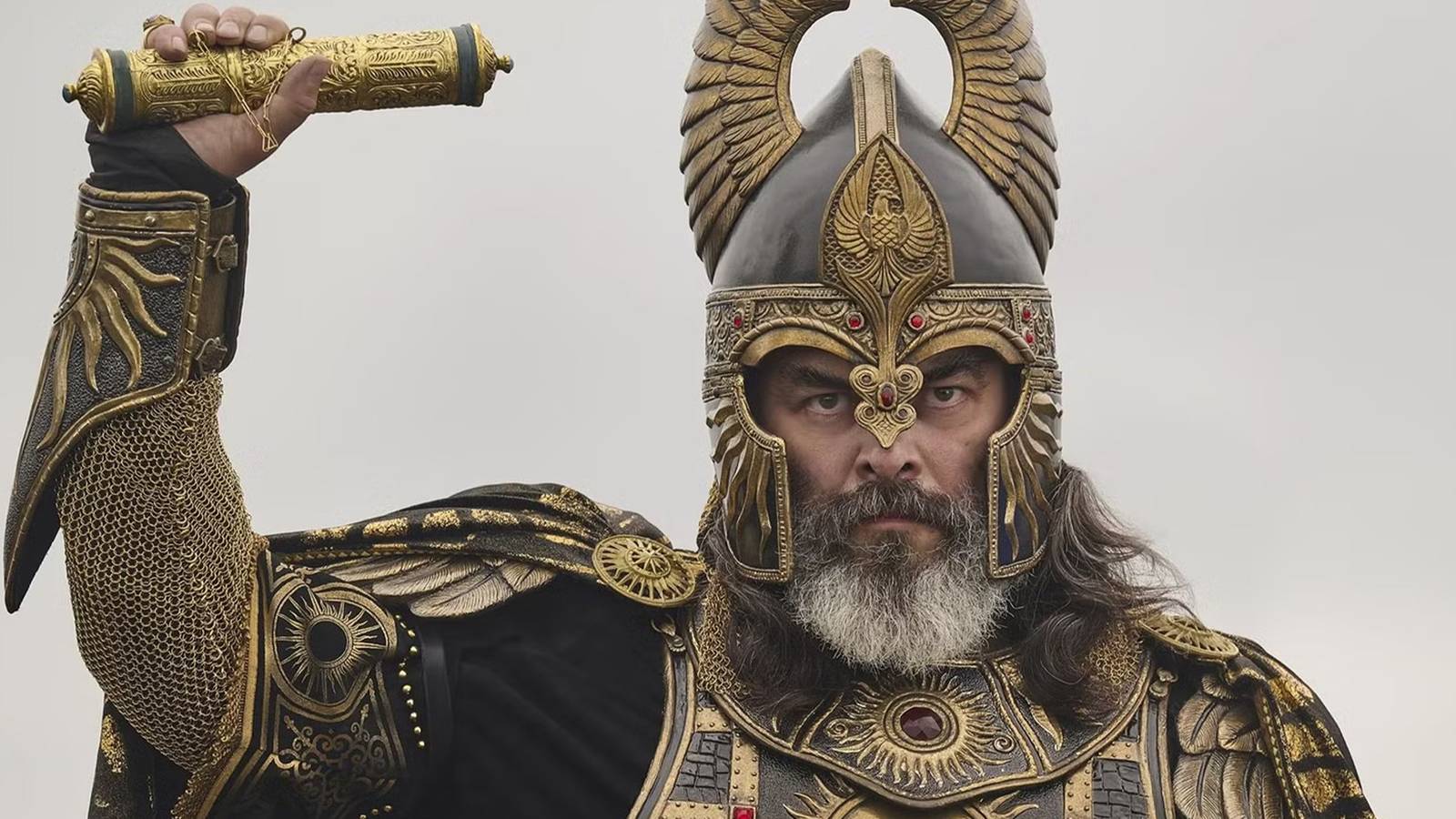
In the finale, Sauron's surrender is a calculated retreat. With his forces decimated—many under Pallando's sway until his turn—the Dark Lord knows he cannot win a direct confrontation. So, he bows to Ar-Pharazôn (Trystan Gravelle), the self-proclaimed King of Men. This mirrors the events of The Silmarillion, where Sauron is taken to Númenor as a prisoner. But his captivity is short-lived. Once there, he uses his silver tongue to worm his way into Pharazôn's confidence, gradually corrupting the king and his followers.
Sauron's influence leads Pharazôn to embrace the worship of Morgoth, complete with human sacrifice, and to reject Eru Ilúvatar—a decision that deepens the rift between the King's Men and the Faithful. Pharazôn, blinded by his desire for eternal life, becomes desperate to seize what he believes is his due, turning his heart against the Valar.
The Cataclysm That Ends an Era
This corruption culminates in Pharazôn's ill-fated invasion of Valinor. As the Númenórean fleet approaches the Undying Lands, Manwë calls upon Eru, who responds with a Great Wave—the very vision Míriel (Cynthia Addai-Robinson) has seen since Season 1. The wave annihilates Pharazôn's army and the entire island kingdom, killing Míriel in the process. Even Sauron is destroyed in his physical form, losing his ability to shapeshift. When he later reconstitutes in Mordor, his appearance is marred, no longer the fair elf-like visage he once wore.
Season 4 is poised to explore this tragic arc, and if the show follows Tolkien's blueprint, it could be its most powerful season yet. The groundwork has been laid since the beginning, and with Sauron's surrender, the pieces are in place for the island's downfall.
Elendil's Rise and the Seeds of the Last Alliance
Meanwhile, Elendil (Lloyd Owen) has already sensed the impending doom. In the penultimate episode, Míriel's marriage to Pharazôn grieves him deeply, and with his sons Isildur (Maxim Baldry) and Anárion (Andrew Richardson) by his side, he declares Númenor lost. He's right, and this sets up another crucial element of Tolkien's legendarium: the flight of the Faithful.
In The Silmarillion, Elendil and his followers escape Númenor on nine ships just before its destruction. Season 4 may adjust the timeline, but Elendil's role as a leader will certainly expand, potentially leading to his coronation as High King of Arnor and Gondor. Tolkien's appendices note that Sauron harbors a particular hatred for Elendil, a rivalry that could ignite in Season 4 and culminate in their clash during the Last Alliance of Elves and Men.
As the series hurtles toward these epic events, fans can also revisit the Season 3 episodes to see how the seeds were planted. And with the finale's hints at Gandalf's future, the stage is set for a season that could redefine the show.
The Rings of Power Season 4 is currently in development, and the promise of Númenor's fall—and the rise of its survivors—makes it one of the most anticipated chapters in the series yet.