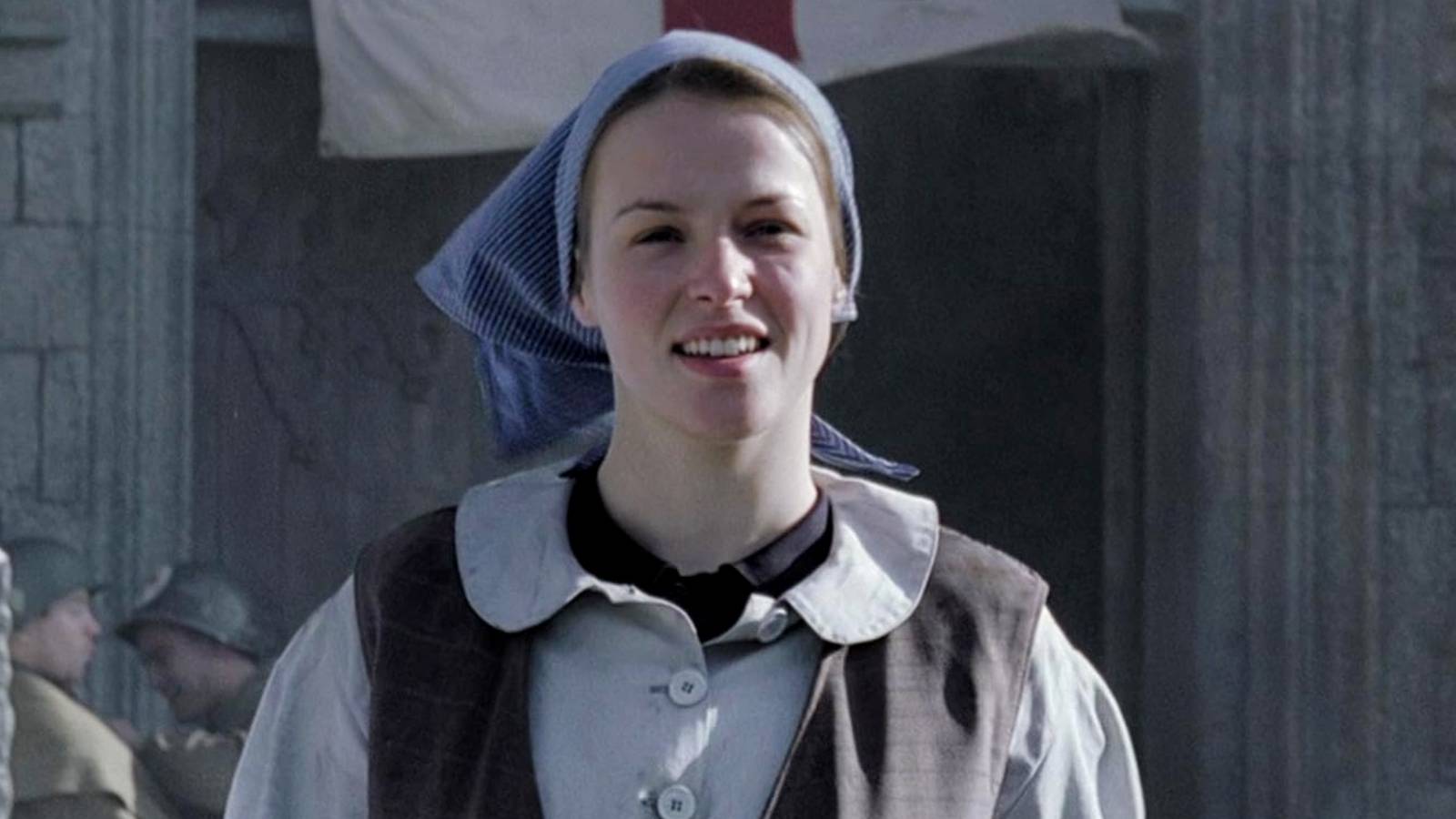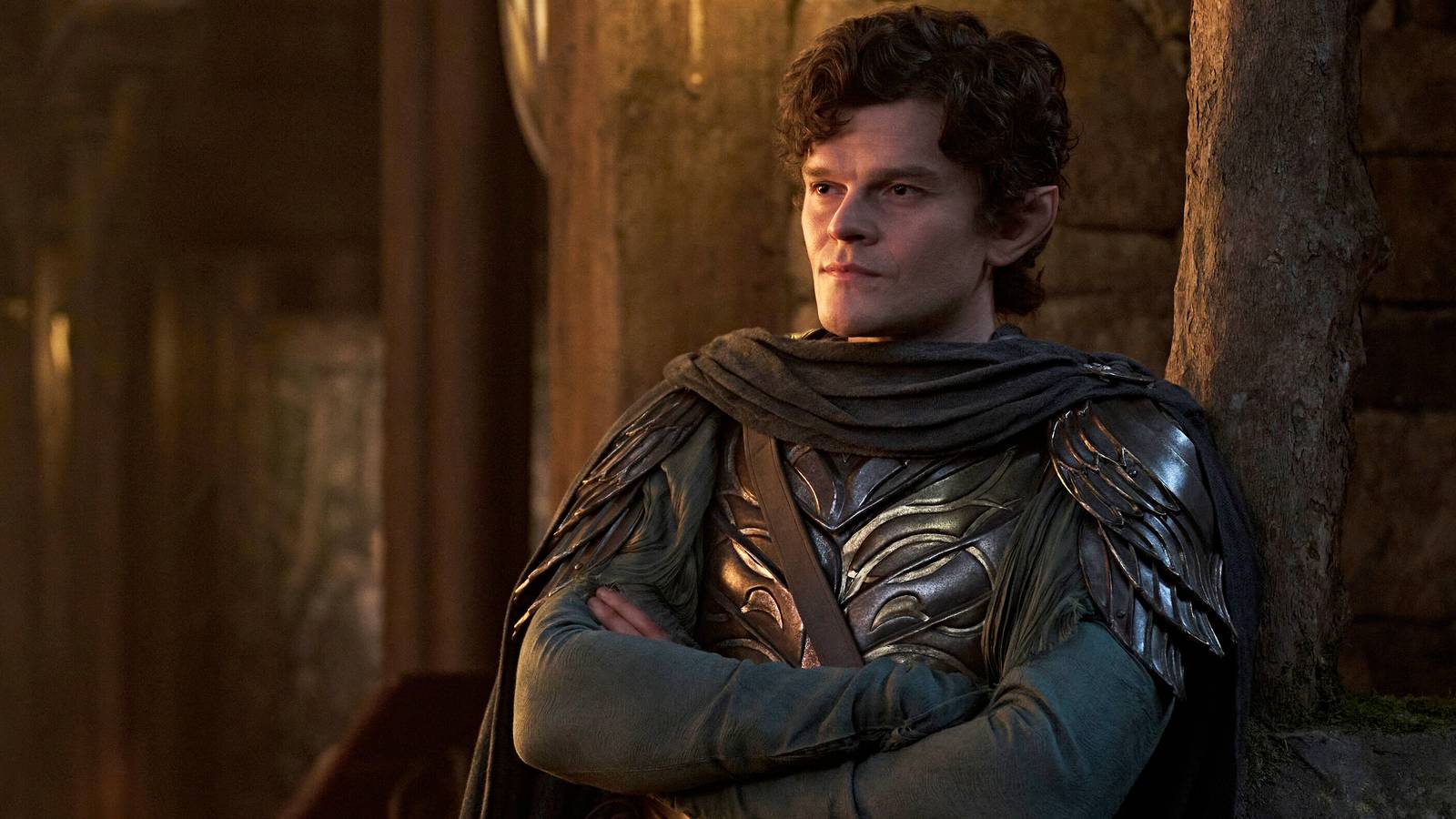
In the latest episode of The Lord of the Rings: The Rings of Power Season 3, the Prime Video series finally unites two characters whose destinies are intertwined with the fate of Middle-earth: Elrond (Robert Aramayo) and Isildur (Maxim Baldry). Their first meeting in Númenor is a quiet but monumental moment, setting the stage for the epic events that will define the end of the Second Age.
For fans of J.R.R. Tolkien's lore, this encounter is long overdue. While the show has kept these two on separate paths until now, their meeting is a crucial piece of the narrative puzzle. In Tolkien's writings, Elrond and Isildur share a deep history, forged in battle and marked by the One Ring. The famous scene from Peter Jackson's The Lord of the Rings films, where Elrond pleads with Isildur to destroy the Ring in the fires of Mount Doom, is a cinematic invention. In the books, their relationship is more nuanced and less antagonistic.
According to The Silmarillion, after Isildur cuts the Ring from Sauron's hand, Elrond and Círdan counsel him to destroy it, but Isildur refuses, seeing it as a war trophy and a remembrance of his fallen father and brother. Elrond, having fought alongside Isildur for seven years during the Siege of Barad-dûr, does not forcibly take the Ring. Their bond goes beyond mere military alliance; Isildur is a descendant of Elrond's brother Elros, and his youngest son, Valandil, was born at Rivendell. This connection is rich with potential for the series to explore.
Season 3 of The Rings of Power is wisely laying the groundwork for this legendary friendship. By bringing Elrond and Isildur together now, the show can develop their relationship into something both heartwarming and ultimately tragic. As Elrond grapples with his brother's choice to embrace mortality, he may find in Isildur a reflection of that same human frailty and resilience. The show has the opportunity to make their eventual parting—when Isildur claims the Ring—all the more devastating.
This meeting also ties into the larger narrative arc of the series, which is building toward the Last Alliance of Elves and Men. The show has been making a concerted effort to align more closely with Tolkien's Second Age timeline, and this season is no exception. The inclusion of Elros, as seen in Elros's crucial appearance, further enriches the story. While not every creative choice has been universally praised, the series is clearly committed to honoring the source material in meaningful ways.
For those who have followed the show since its debut, this development is a payoff of long-term storytelling. The seeds planted in earlier seasons are beginning to bloom, and the promise of seeing these two heroes unite against Sauron is an exciting prospect. The show's recent nod to Peter Jackson's Nazgûl scene shows that it is not afraid to pay homage to the films while carving its own path.
As the season progresses, viewers can expect to see more of Elrond and Isildur's dynamic, and perhaps even hints of the tragic choices that lie ahead. The show has a clear roadmap from Tolkien, and if it follows it faithfully, this could be one of the most compelling arcs in the series. New episodes of The Lord of the Rings: The Rings of Power Season 3 air Wednesdays on Prime Video.