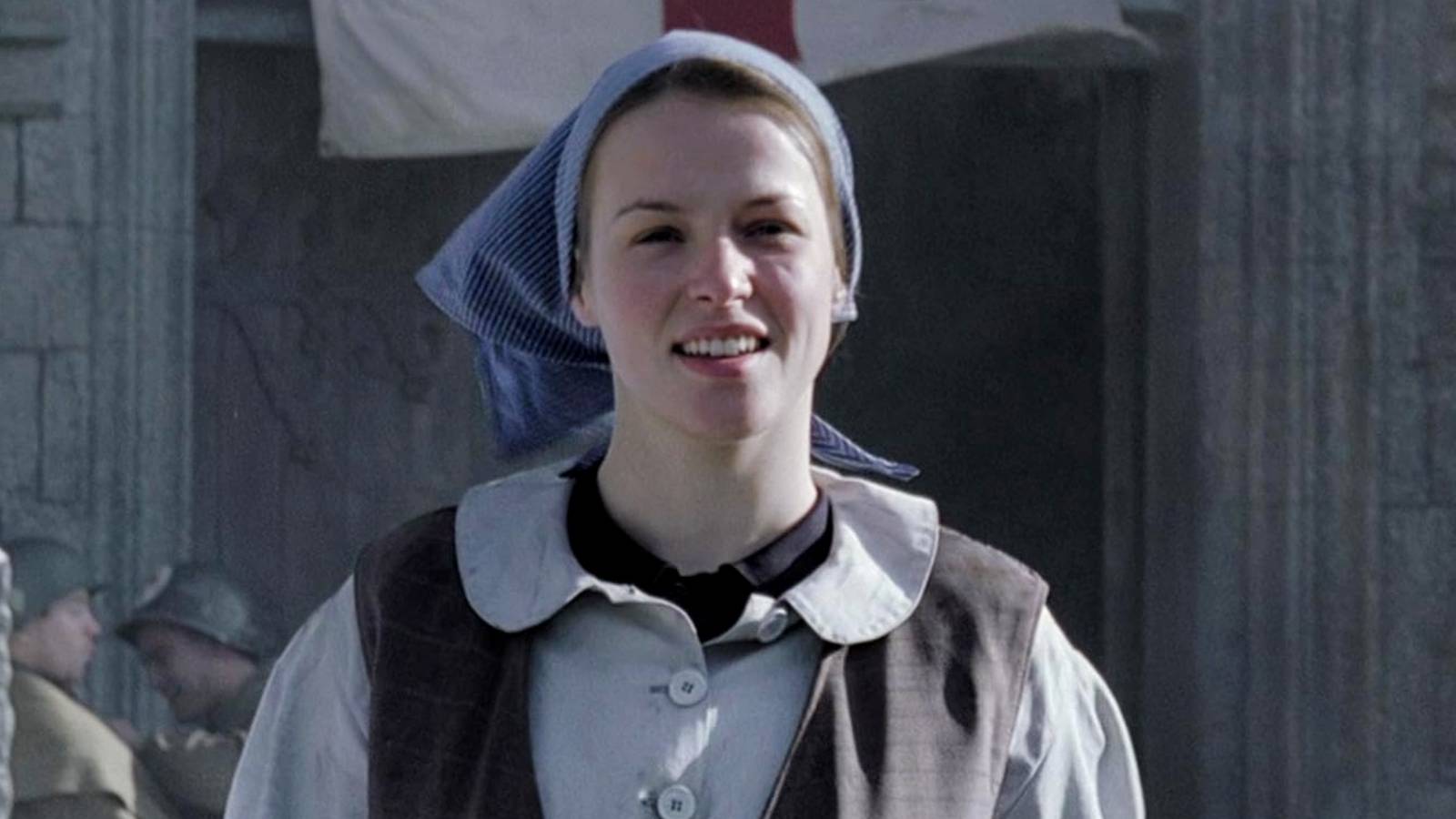
When HBO debuted Band of Brothers in 2001, it set a new standard for television drama. More than two decades later, the miniseries continues to captivate audiences, amassing a staggering 193.3 million viewing hours on streaming between July 2023 and December 2025, according to FlixPatrol's engagement reports. That's a remarkable feat for a show that premiered before streaming even existed, proving that its power hasn't faded with time.
The series, adapted from Stephen E. Ambrose's acclaimed non-fiction book, chronicles the harrowing journey of Easy Company, part of the 101st Airborne Division, from their D-Day drop into Normandy through the end of World War II. Tom Hanks and Steven Spielberg, fresh off their collaboration on Saving Private Ryan, brought this true story to the small screen. Unlike the fictional narrative of the film, Band of Brothers focuses on the real men and their emotional experiences, rather than glorifying combat.
At the heart of the story is Damian Lewis as Dick Winters, an officer whose leadership inspires fierce loyalty among his men, even as it breeds jealousy among superiors. The series follows Winters and his comrades, including intelligence officer Lewis Nixon (Ron Livingston), through the brutal trials of war, from the chaos of Normandy to the frozen hell of Bastogne.
No Glory in War
Band of Brothers never shies away from the grim realities of conflict. The battles are intense, but they're never portrayed as thrilling or heroic. Instead, the series highlights the personal tragedies that war inflicts. Before D-Day, Bill Guarnere (Frank John Hughes) learns of his brother's death, adding a devastating weight to an already perilous mission. These moments of personal loss, coupled with the constant threat of death, strip away any romanticism.
The show's use of interviews with the actual veterans who lived through these events grounds the drama in stark reality. Their testimonies, woven throughout the episodes, serve as a powerful reminder that these were real people enduring unimaginable hardship. The Siege of Bastogne, in particular, stands as a testament to the series' unflinching portrayal. The men endure frostbite, relentless shelling, and the loss of comrades, all while fighting in the freezing Ardennes forest. One veteran recalled that even on the coldest nights years later, he was grateful it wasn't as cold as Bastogne.
The True Cost of Warfare
The series also explores the psychological toll of combat, something often glossed over in other war stories. The men of Easy Company carry emotional scars long after the fighting ends. In one poignant scene, Donald Malarkey (Scott Grimes) pays to ship home the belongings of every fallen comrade, a quiet moment that speaks volumes about the weight of loss.
Perhaps most striking is the show's depiction of the downtime between battles. In the final episode, "Points," several men die not in combat but from accidents, alcohol, or sheer nervous exhaustion. This rarely-seen aspect of military life underscores the idea that war's cost extends far beyond the battlefield. The bonds forged between these men, however, provided a lifeline. As the title suggests, Band of Brothers is ultimately about the unbreakable connections that helped them survive.
For those who haven't yet experienced this masterpiece, it remains a must-watch, a stark and moving tribute to the Greatest Generation. Its enduring popularity on streaming platforms is a testament to its quality and its unflinching honesty. If you're looking for more gripping television, check out our list of dark miniseries masterpieces or explore classic American cinema.