Agatha Christie's stories have been adapted countless times, but few versions dare to embrace the full darkness of her vision. The 2015 BBC miniseries And Then There Were None does exactly that, trading the cozy puzzle-box charm of traditional whodunits for a harrowing psychological thriller. It's a bold choice that pays off, making this three-part event one of the most gripping Christie adaptations ever produced.
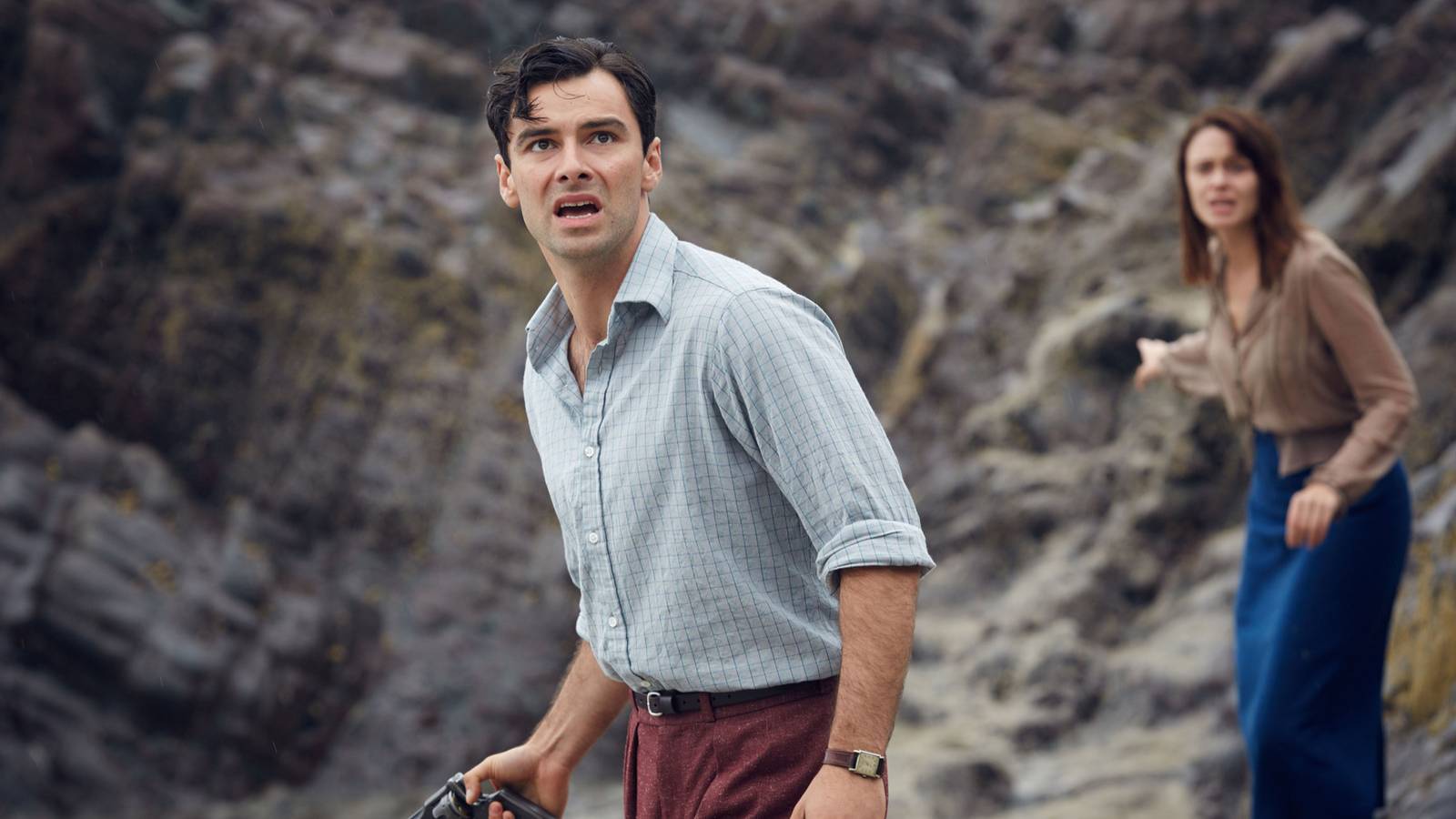
From the opening moments, the series sets a tone of unease. A group of strangers, each with a hidden past, arrives on a remote island off the Devon coast. Their mysterious host is absent, but a gramophone recording soon shatters the polite facade, accusing every guest of a murder they thought was buried. What follows is a slow, methodical unraveling as the body count rises, each death mirroring a sinister nursery rhyme displayed throughout the mansion.
What sets this adaptation apart is its refusal to offer comfort. There's no brilliant detective to swoop in and restore order. Instead, the island becomes a pressure cooker, and the characters are left to confront their own guilt. The weather closes in, paranoia festers, and the line between victim and perpetrator blurs. It's a masterclass in building dread, and it never lets the audience off the hook.
The cast is uniformly excellent, with each actor fully committing to the story's moral decay. Charles Dance is chilling as the stern Justice Wargrave, while Sam Neill brings a weary, haunted quality to General MacArthur. Aidan Turner's Philip Lombard is charismatic yet unsettling, and Maeve Dermody delivers a raw, emotionally charged performance as Vera Claythorne. The supporting players, including Miranda Richardson and Burn Gorman, add layers of suspicion and desperation to every scene.
This adaptation also benefits from its willingness to stay true to the novel's bleak conclusion. Earlier versions, including Christie's own stage play, often softened the ending to please audiences. The 2015 miniseries, however, commits to the source material's unflinching finale, leaving no room for redemption or easy answers. It's a decision that has cemented the show's reputation as a faithful and fearless interpretation.
For fans of Christie's work, this miniseries is a must-watch, especially if you're looking for a version that takes her themes of guilt and justice seriously. It also pairs well with other explorations of dark storytelling, like this look at a recent Agatha-adjacent series that tackles similar narrative risks. And if you're in the mood for more classic mystery, you might enjoy a curated list of Christie's essential novels.
Ultimately, And Then There Were None is not for those seeking lighthearted crime-solving. It's a tense, beautifully acted descent into the human psyche, one that lingers long after the credits roll. For anyone who appreciates a story that trusts its audience to handle the dark, this three-part masterpiece is an easy recommendation.