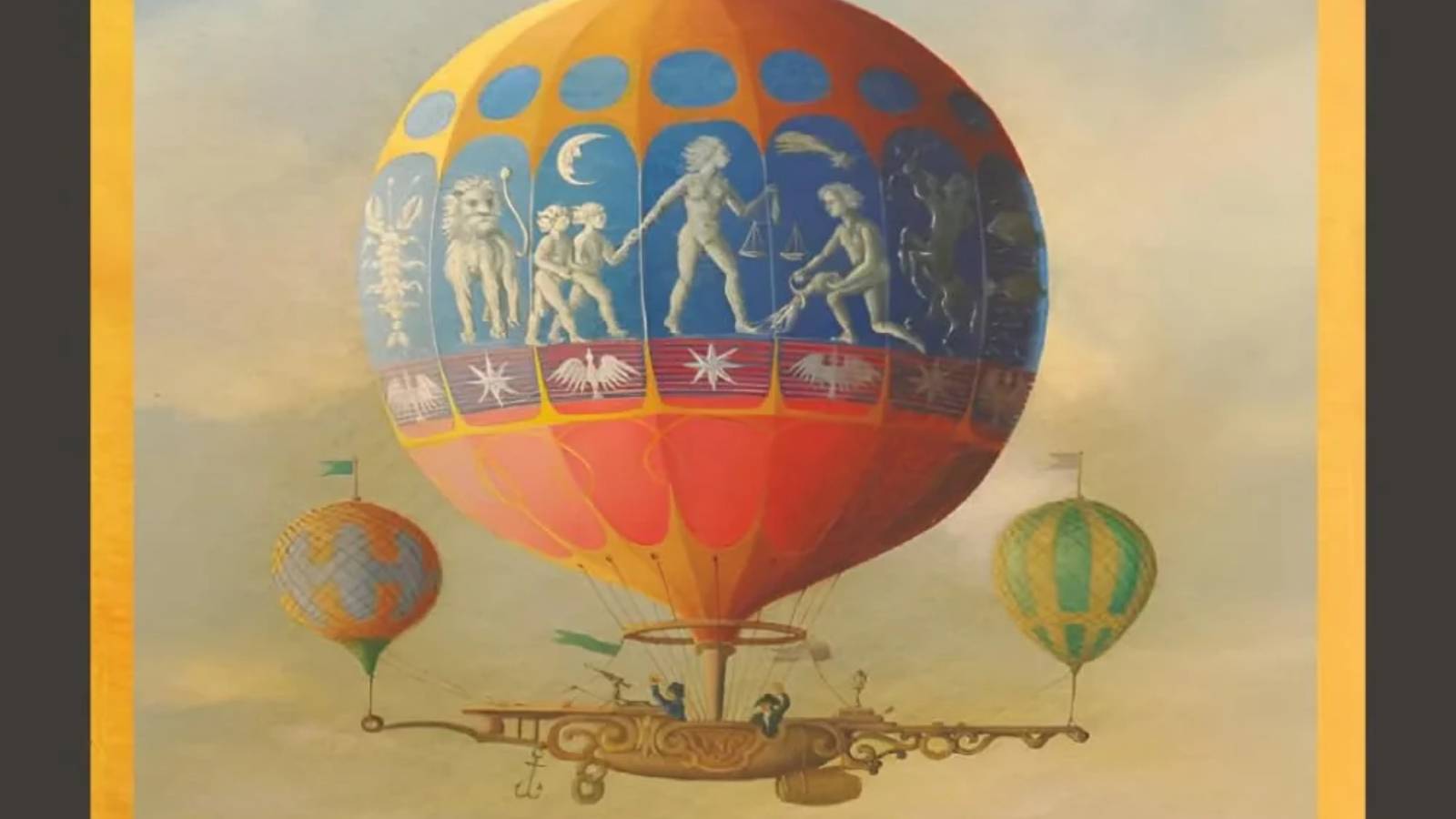
Jules Verne didn't just write science fiction; he practically invented the blueprint for it. His stories blend meticulous, almost obsessive detail about machinery and science with wild, globe-trotting adventures. His heroes don't just stumble into danger—they calculate trajectories, argue over equipment, and troubleshoot broken gadgets, all while facing storms, beasts, and their own limitations. That combination of technical plausibility and high-stakes drama made his work revolutionary, and it still resonates today. While many of his books have inspired countless adaptations, the originals remain the gold standard. Here are the best Jules Verne novels, ranked for their enduring impact and sheer entertainment value.
8. From the Earth to the Moon (1865)
Set after the American Civil War, this novel introduces the Baltimore Gun Club, a group of artillery enthusiasts bored by peace. Their president, Impey Barbicane, proposes an audacious plan: build a giant cannon to shoot a projectile at the Moon. What follows is a satirical, witty take on American ambition and industrial bravado. Verne's humor is sharp but affectionate, and the book's playful tone makes it a delightful read. It also directly inspired Georges Méliès' iconic 1902 silent film A Trip to the Moon, cementing its place in pop culture history.

7. Around the Moon (1870)
This sequel picks up right where From the Earth to the Moon leaves off, following Barbicane, Captain Nicholl, and the exuberant Michel Ardan as they hurtle through space in their projectile. The confined setting allows for a fascinating character study, as the three men's contrasting personalities clash and complement each other. They face practical challenges like generating oxygen and dealing with zero gravity, but Verne also gives them moments of quiet wonder as they gaze out at the cosmos. While the scientific explanations can slow the pace, the sense of awe and the clever problem-solving make it a worthy companion to its predecessor.
6. Five Weeks in a Balloon (1863)
Verne's debut novel follows Dr. Samuel Fergusson, his friend Dick Kennedy, and his servant Joe as they cross Africa in a hydrogen balloon. The balloon is both a liberating and a limiting vessel—it can rise above danger, but it's at the mercy of winds, weather, and dwindling supplies. Verne turns these constraints into gripping suspense, making every change in altitude or loss of water a nail-biting event. The camaraderie among the trio adds warmth, though some of the book's colonial-era descriptions and characterizations have aged poorly. Still, it's a remarkable start to a legendary career.
5. Michael Strogoff (1876)
This is Verne at his most grounded and psychologically intense. Michael Strogoff, a courier for the czar, must cross war-torn Siberia to deliver a vital message. There's no fantastical vehicle here—just sheer grit, cunning, and the constant threat of betrayal. The traitor Ivan Ogareff is a formidable antagonist, and Michael's internal struggles—suppressing his identity, his attachments, and his instincts—add a layer of emotional depth rare in Verne's work. It's a tense, character-driven adventure that proves Verne could excel beyond the realm of scientific marvels.
4. The Mysterious Island (1874)
Often considered one of the greatest castaway stories ever written, this novel strands five Civil War escapees on a seemingly deserted island. Their survival hinges on the encyclopedic knowledge of engineer Cyrus Smith, who turns the island's resources into tools, shelter, and even a form of civilization. Verne makes the process of building and problem-solving deeply satisfying, and the island itself holds secrets that tie into his other works. It's a celebration of human ingenuity and resilience, and it rewards readers who enjoy seeing small achievements accumulate into something grand.
3. Around the World in Eighty Days (1873)
Phileas Fogg's wager to circumnavigate the globe in just 80 days is one of the most famous plots in literature. This novel is a masterclass in pacing, as Fogg and his loyal servant Passepartout race against the clock, facing every imaginable obstacle—from missed trains to Indian jungles to a detective who mistakenly thinks Fogg is a bank robber. The book is a thrilling travelogue and a subtle commentary on Victorian-era obsession with time and progress. Its blend of adventure, humor, and suspense makes it endlessly re-readable.
2. Journey to the Center of the Earth (1864)
Professor Lidenbrock's discovery of a cryptic message leads him, his nephew Axel, and their guide Hans on a descent into a volcanic crater and a world of prehistoric wonders. Verne's imagination runs wild here, populating the underground realm with giant mushrooms, ancient sea creatures, and electrical storms. The novel is a perfect blend of scientific curiosity and pure adventure, and it has inspired countless adaptations. It's a testament to Verne's ability to make the impossible feel almost plausible.
1. Twenty Thousand Leagues Under the Sea (1870)
This is the pinnacle of Verne's genius. The mysterious Captain Nemo and his submarine, the Nautilus, are icons of literature. The novel follows Professor Aronnax, his servant Conseil, and harpooner Ned Land as they are held captive aboard the vessel, exploring the ocean's depths and witnessing wonders no one has ever seen. But beneath the adventure lies a deeper story: Nemo is a tragic figure, a rebel against oppression, and his motivations are as enigmatic as the sea itself. The book's blend of scientific detail, philosophical depth, and breathtaking action makes it a timeless masterpiece. It's no wonder that classic books like this one reward every reread.
Verne's influence on science fiction and adventure literature is immeasurable. His works have inspired filmmakers, scientists, and writers for over a century. For those new to his writing, starting with Twenty Thousand Leagues is a safe bet, but every entry on this list offers a unique journey. And if you're looking for more literary adventures, check out our list of classic fantasy books every reader needs on their bucket list.