Video games might still be a young medium, but their journey from simple blips on a screen to sprawling digital worlds is nothing short of remarkable. Every modern blockbuster owes a debt to the pioneers of the 20th century—games that introduced new mechanics, genres, and ways to play. Here's our ranking of the most influential titles that shaped the industry.
10. Half-Life (1998)
Valve's debut wasn't just another first-person shooter; it was a revolution. Half-Life ditched the arcade-style run-and-gun for a deep narrative, physics-based puzzles, and a seamless experience that never yanked control from the player. Its impact on storytelling in shooters is still felt today, even if sequels have struggled to match its brilliance.

9. Pokémon Red and Blue (1996)
Before it became the highest-grossing media franchise ever, Pokémon started with two Game Boy RPGs. Red and Blue didn't just launch a craze—they introduced social multiplayer to handheld gaming and proved that portable titles could be just as deep as console ones. The cultural wave they created is still going strong.
8. Pong (1972)
Atari's Pong was a training exercise that became a phenomenon. While it borrowed from the Magnavox Odyssey, it was the first commercially successful video game, proving that the medium could be profitable. Its simplicity may seem quaint now, but without it, the industry might never have taken off.
7. Space Invaders (1978)
Taito's Space Invaders was the first fixed shooter and the first game with endless gameplay. It showed that video games could be a cultural obsession—famously causing a shortage of 100-yen coins in Japan. Its scaling difficulty and addictive loop laid the groundwork for the action genre.
6. The Legend of Zelda: Ocarina of Time (1998)
Often called the greatest game ever made, Ocarina of Time perfected 3D action-adventure. Its seamless world design, interconnected overworld, and revolutionary Z-targeting system set new standards. It's a masterclass in how to build immersive, explorable 3D spaces.
5. Tetris (1984)
Mathematically perfect and endlessly replayable, Tetris is the ultimate pick-up-and-play game. Its simple premise—fitting falling blocks into a grid—hides a surprisingly deep skill ceiling. It became a global phenomenon, proving that great design doesn't need complex graphics.
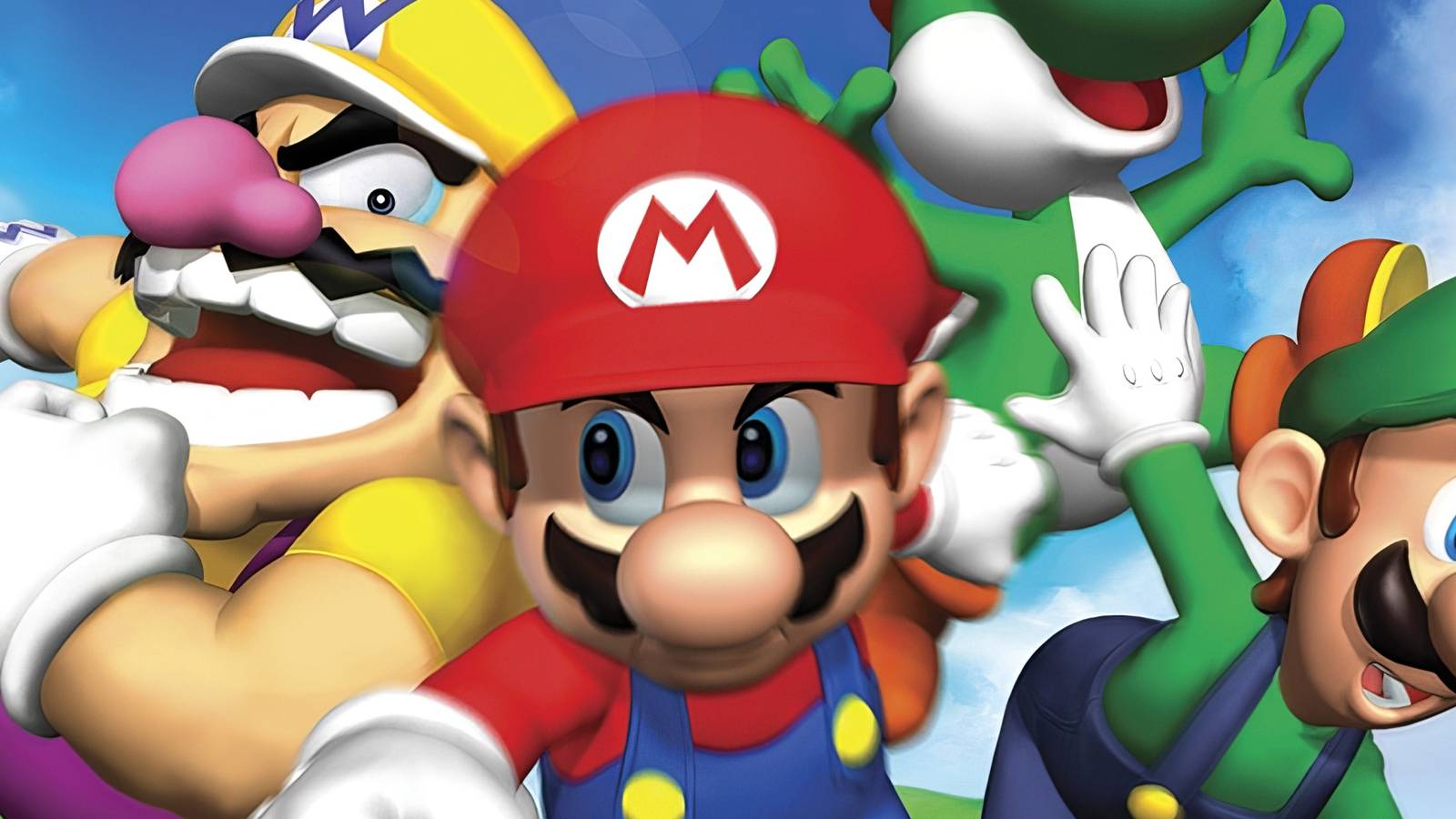
4. Super Mario 64 (1996)
Nintendo's leap to 3D with Super Mario 64 was a seismic shift. It defined how 3D platformers should work, with analog controls, a free-roaming camera, and levels that felt like playgrounds. Every 3D game since owes something to Mario's pioneering moves.
3. Doom (1993)
id Software's Doom didn't just popularize the first-person shooter—it created the blueprint. Its fast-paced action, networked multiplayer, and mod-friendly design sparked a revolution. It also proved that violent games could be a massive commercial success, for better or worse.
2. The Legend of Zelda (1986)
The original Zelda introduced non-linear exploration, a battery-backed save system, and a sprawling overworld. It was a game that trusted players to discover secrets and forge their own path. This open-world philosophy influenced countless adventures that followed.
1. Super Mario Bros. (1985)
No game shaped the industry more than Super Mario Bros. It saved the home console market after the crash of 1983, set the template for side-scrolling platformers, and introduced iconic power-ups and level design. Mario became gaming's mascot, and his debut remains the most influential game of the 20th century.
These titles didn't just entertain—they changed how we play, design, and think about games. For more on gaming's evolution, check out our list of historical video games that make learning epic and our ranking of fantasy epic movies that share that same sense of adventure.