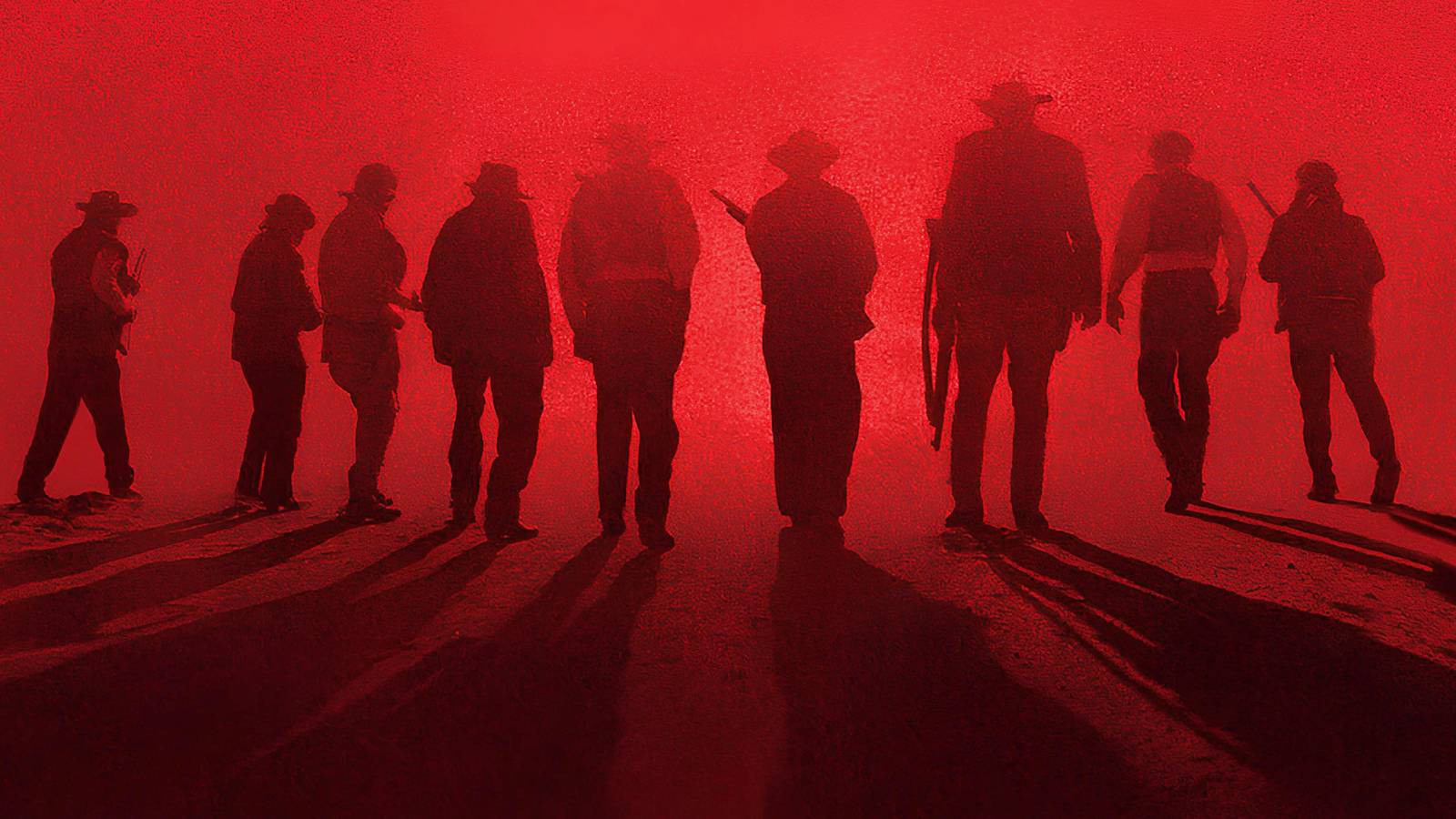
Sam Peckinpah wasn't just a director of Westerns—he was a force of nature who reshaped the genre with his unflinching violence and raw emotional power. While his name is synonymous with the Wild West, his filmography spans war films, thrillers, and even a strange spy movie. But it's his Westerns that remain his most enduring legacy, standing alongside the works of John Ford and Sergio Leone. Here, we rank his five greatest contributions to the genre, from hidden treasures to iconic classics.
5. Ride the High Country (1962)
Before Peckinpah became infamous for his brutal, boundary-pushing style, he delivered this deceptively simple tale of loyalty and betrayal. The story follows an aging lawman tasked with transporting gold through dangerous territory, only to discover that his trusted companion may have darker intentions. While it lacks the explosive violence of his later work, Ride the High Country still packs a punch for its time, offering a gritty preview of the raw, unvarnished Westerns to come. It's a quiet, character-driven piece that deserves more recognition in Peckinpah's filmography.
4. Bring Me the Head of Alfredo Garcia (1974)
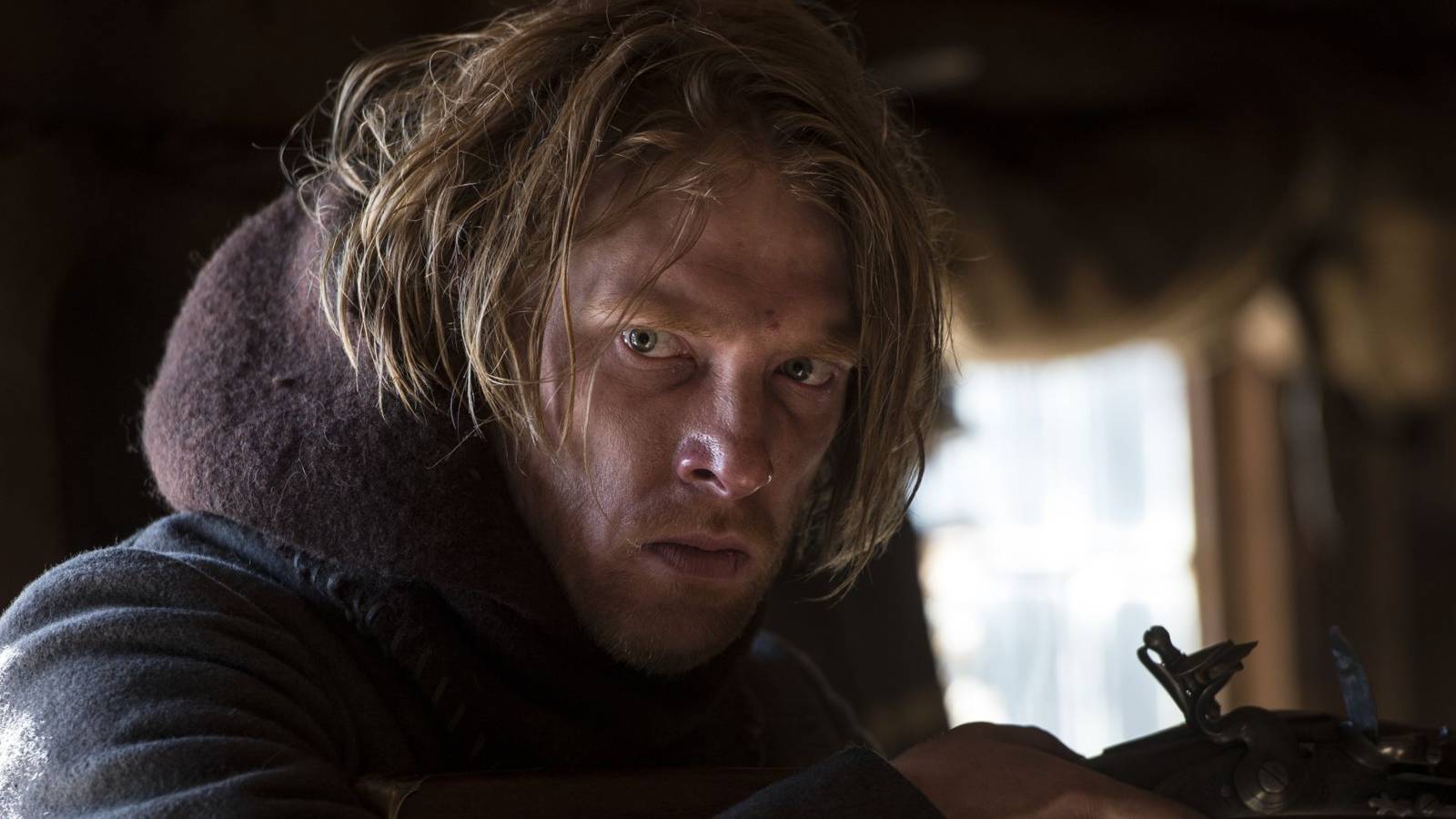
This nihilistic neo-Western is Peckinpah at his most cynical, set in a modern world that still clings to Old West brutality. The plot follows a bounty hunter who must retrieve the severed head of a man to claim a fortune, leading to a grim, road-trip-like descent into violence and despair. It's a feel-bad movie, but a compelling one, exploring themes of greed and moral decay. For those who appreciate intense, unflinching cinema, this is a must-see.
3. The Ballad of Cable Hogue (1970)
Peckinpah's most unexpected Western is a tragicomedy about a man who builds a successful rest stop on a stagecoach line, only to see it threatened by the arrival of the automobile. It's a strange blend of humor and melancholy, with Peckinpah's signature cynicism tempered by moments of genuine warmth. The film's tonal shifts are jarring but effective, making it a unique entry in his filmography. If you're looking for a Western that's more cozy and character-driven, this is a great pick.
2. Pat Garrett & Billy the Kid (1973)
This elegiac Western is Peckinpah's meditation on the end of the Old West, following the legendary lawman Pat Garrett as he hunts down his former friend Billy the Kid. The film is a slow-burn tragedy, filled with beautiful imagery and a haunting Bob Dylan score. It's a deeply melancholic work, capturing the sense of an era fading into history. While it was famously butchered by the studio, the director's cut reveals a masterpiece of quiet desperation.
1. The Wild Bunch (1969)
No list of Peckinpah's Westerns would be complete without The Wild Bunch, the film that redefined screen violence and cemented his reputation as a provocateur. Set in 1913, it follows a group of aging outlaws on the run from both the law and a changing world. The film's infamous slow-motion bloodbaths were revolutionary, but it's the emotional weight behind the carnage that makes it a true classic. It's a brutal, poetic, and ultimately tragic exploration of loyalty and mortality—and arguably the greatest Western ever made.
Peckinpah's Westerns are not for the faint of heart, but they offer a visceral, thought-provoking experience that few filmmakers have matched. Whether you're drawn to the nihilistic R-rated intensity of his later work or the more traditional storytelling of his early films, his legacy remains untouchable.