The sixth generation of video game consoles was a golden era, producing some of the most beloved systems in gaming history. From the PlayStation 2 to the Game Boy Advance, these consoles shaped the industry and left lasting legacies. But which one truly stands above the rest? We've ranked every sixth-gen console based on influence, innovation, library, and overall impact.
7. WonderSwan Color (2000)
Bandai Namco, known for its games, attempted to break into the hardware market with the WonderSwan Color. Designed by the same engineer behind the original Game Boy, it boasted impressive battery life and unique dual-directional controls that allowed for flexible gameplay. It even landed some notable titles like Final Fantasy. However, it never gained traction outside Japan and was quickly overshadowed by more advanced handhelds. Its legacy remains a footnote in gaming history.

6. N-Gage (2003)
Nokia's N-Gage was a bold experiment that merged a mobile phone with a gaming handheld. It was ahead of its time, offering Bluetooth multiplayer and the ability to make calls, but the execution was flawed. Swapping games required removing the battery, and the system struggled to compete with dedicated consoles. Despite its innovative concept, the N-Gage couldn't overcome its limitations and faded into obscurity.
5. Dreamcast (1998)
Sega's final console, the Dreamcast, was a pioneer in online gaming and delivered stunning arcade-quality visuals. Its library boasted classics like Phantasy Star Online and Shenmue, and its built-in modem set the stage for future online play. Yet, despite its strengths, the Dreamcast couldn't match the sheer dominance of its rivals. It remains a cult favorite, but its commercial failure ultimately ended Sega's hardware era.
4. GameCube (2001)
Nintendo's GameCube took a different approach with mini-discs and a distinctive design. While it underperformed in sales, its game library is legendary, featuring Super Smash Bros. Melee, The Legend of Zelda: The Wind Waker, and Metroid Prime. The console's focus on local multiplayer and innovative titles has earned it a devoted fanbase that continues to celebrate its games today. It may not have been a commercial powerhouse, but its impact on gaming culture is undeniable.
3. Game Boy Advance (2001)
The Game Boy Advance brought 32-bit gaming to handhelds, essentially offering a portable SNES experience. With a vast library of beloved titles, including Pokémon, it became an essential device for gamers on the go. Its success was driven by its accessibility and the nostalgia of classic franchises. The GBA remains one of the best-selling handhelds of all time and a benchmark for portable gaming.
2. Xbox (2001)
Microsoft entered the console market with the original Xbox, a powerhouse that introduced online gaming to consoles with Xbox Live. It boasted a strong lineup, including Halo: Combat Evolved, which became a system-seller. The Xbox's hardware was ahead of its time, and its online infrastructure set a new standard. It may not have outsold the PS2, but it established Microsoft as a major player in gaming.
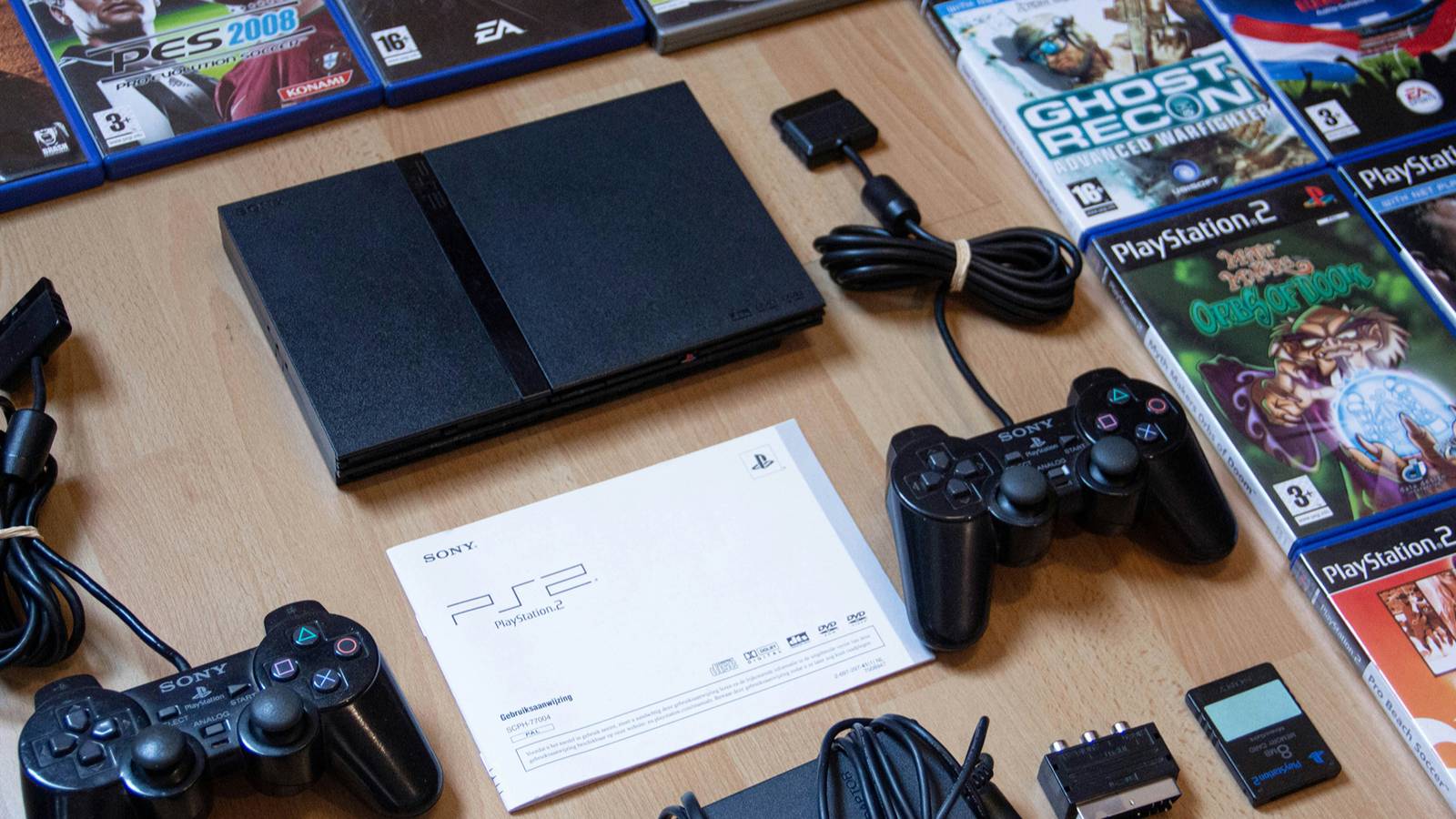
1. PlayStation 2 (2000)
The PS2 is the best-selling console of all time, and for good reason. It had an incredible library spanning genres, from Grand Theft Auto to Final Fantasy X, and it doubled as a DVD player, making it a home entertainment hub. Its longevity and third-party support were unmatched, and it dominated the generation. The PS2's influence is still felt today, and it remains the gold standard for console success.
While the sixth generation had its share of underdogs and innovators, the PS2's combination of games, features, and cultural impact makes it the undisputed champion. For more on gaming and entertainment, check out our ranking of influential fantasy shows or the best war movies of the 2020s.