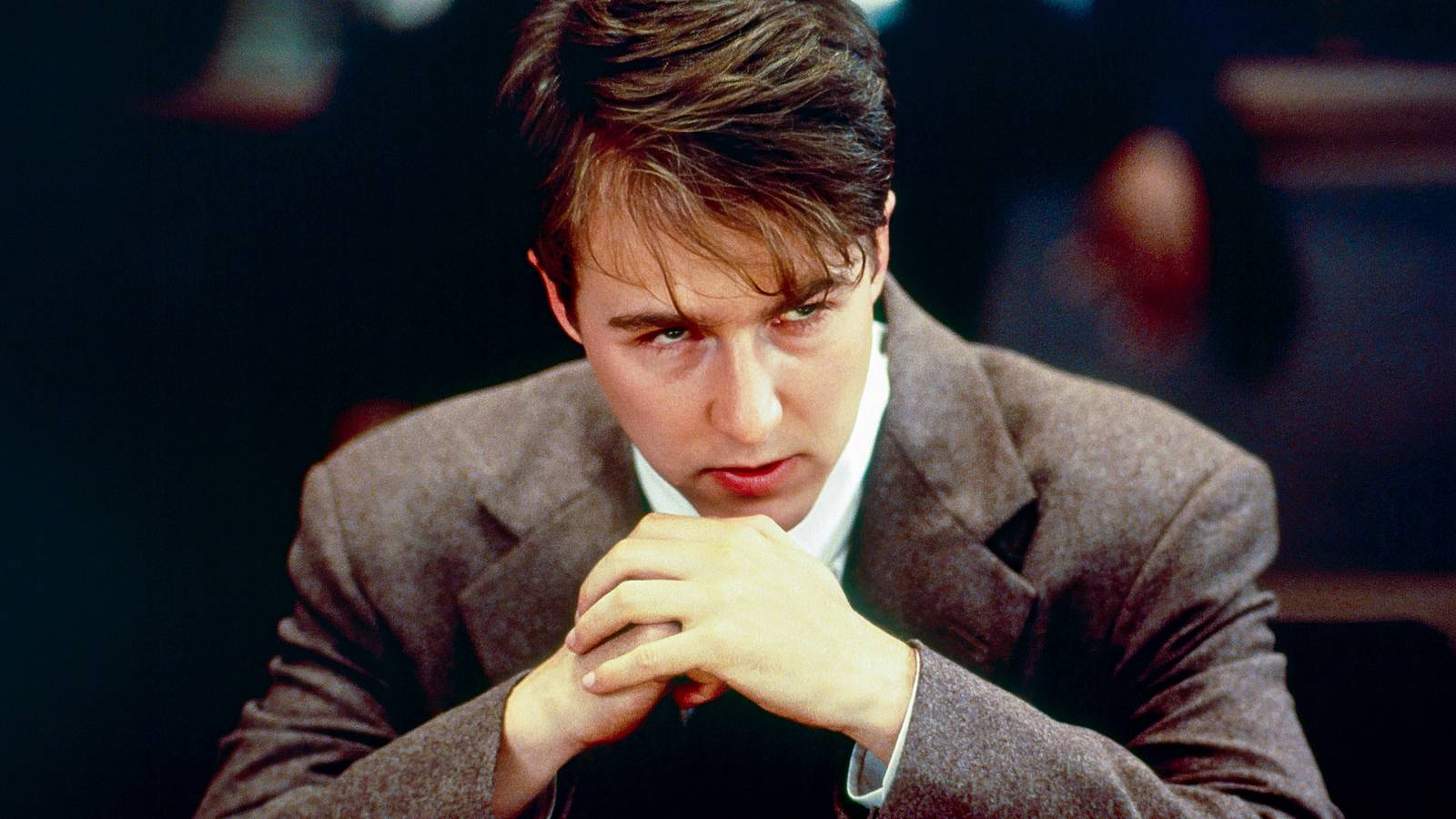
Long before he became a household name in films like Fight Club and American History X, a young Edward Norton announced his arrival with a seismic performance that would define the psychological crime thriller. His debut feature, 1996's Primal Fear, didn't just introduce a formidable talent—it delivered a narrative gut-punch that redefined what a courtroom drama could achieve.
A Star Is Born in a Den of Deception
Opposite Richard Gere at the peak of his fame, Norton played Aaron Stampler, a timid, stuttering altar boy accused of brutally murdering a beloved archbishop. Gere's character, the slick defense attorney Martin Vail, takes on the case, believing he's defending an innocent, traumatized young man. The film masterfully builds its case, leading viewers down a path of sympathy for Aaron, who claims to have blacked out during the crime.
As Vail digs deeper, he uncovers a harrowing truth: the archbishop was sexually abusing Aaron. This revelation seems to explain everything, painting a picture of a victim pushed to the brink. The film then introduces its first major shock—Aaron suffers from dissociative identity disorder. A second, aggressive personality named "Roy" emerges, confessing to the murder while Aaron remains a frightened shell.
The Twist That Still Stuns
Using this defense, Vail secures an acquittal. In the film's final, legendary scene, Vail visits Aaron in his cell to say goodbye. What follows is a masterclass in cinematic deception. The meek Aaron vanishes, replaced by a cold, calculating Roy who reveals the terrifying truth: "Aaron" never existed. The stutter, the innocence, the entire vulnerable persona was an elaborate fabrication. Roy orchestrated the entire performance, including the fake alternate personality, to commit the perfect crime and walk away free.
Norton's seamless shift from the trembling Aaron to the smug, evil Roy in that closing moment is a landmark in film acting. The twist doesn't just surprise; it fundamentally rewinds the entire movie, forcing audiences to question every moment of perceived vulnerability. It transformed Primal Fear from a standard legal procedural into a chilling portrait of pure, premeditated evil hiding in plain sight.
Why the Film Endures on Streaming
Decades after its release, Primal Fear is experiencing a major resurgence on platforms like Paramount+. Its longevity is a testament to that unforgettable ending. The film offers immense rewatch value, as viewers can revisit every scene knowing the final reveal, spotting the subtle clues in Norton's Oscar-nominated performance that hint at the monstrous truth.
The movie's success also cemented the blueprint for a certain kind of definitive crime film that prioritizes psychological cunning over brute force. It proved that a thriller's most powerful weapon isn't a gun, but an idea—and the audacity to completely betray the audience's trust in the final act.
While many films have attempted similar last-minute revelations, few have executed them with such cold, logical precision. The twist works because it's not a cheap trick; it's the horrifying, inevitable conclusion of a character who outsmarted the legal system, his own lawyer, and everyone in the theater. It's a stark reminder that in the world of crime drama, the most dangerous criminals are often the ones you never see coming.
For fans of meticulously plotted thrillers, the film's streaming revival is a welcome chance to experience—or re-experience—one of the genre's most perfectly executed deceptions. It stands as a powerful example of how a single, brilliant performance can elevate a film into timeless territory, ensuring that even 30 years later, Roy's final smirk remains as haunting as ever.