Long before streaming services and CGI spectacles, Hollywood's Golden Age (roughly 1930-1959) operated under a strict set of rules known as the Hays Code. Yet, within those constraints, filmmakers crafted some of the most enduring and influential crime stories ever committed to celluloid. These weren't just tales of cops and robbers; they were sophisticated studies of morality, psychology, and rebellion that continue to captivate audiences today.
The Birth of Noir and the Master of Suspense
While crime films existed before it, 1941's The Maltese Falcon is widely considered the first major film noir of the classic era. John Huston's directorial debut, featuring a career-defining turn from Humphrey Bogart, set the template with its hard-boiled detective, shadowy visuals, and morally ambiguous world. It proved that crime cinema could be both popular and artistically profound.
No discussion of Golden Age crime is complete without Alfred Hitchcock. The 'Master of Suspense' delivered one of his tightest thrillers with 1954's Dial M for Murder. Confined mostly to a single apartment, the film is a masterclass in building tension, elevated by Grace Kelly's iconic performance. It showcases how Hitchcock could turn a stage play into a purely cinematic, nerve-wracking experience.
Daring Dramas and Social Critiques
Some films used the crime genre to deliver powerful social messages. 1932's I Am a Fugitive from a Chain Gang offered a scathing, pre-Code indictment of the American justice system that remains startlingly relevant. Its raw portrayal of a man wronged by the system pushed boundaries that would soon be tightened.
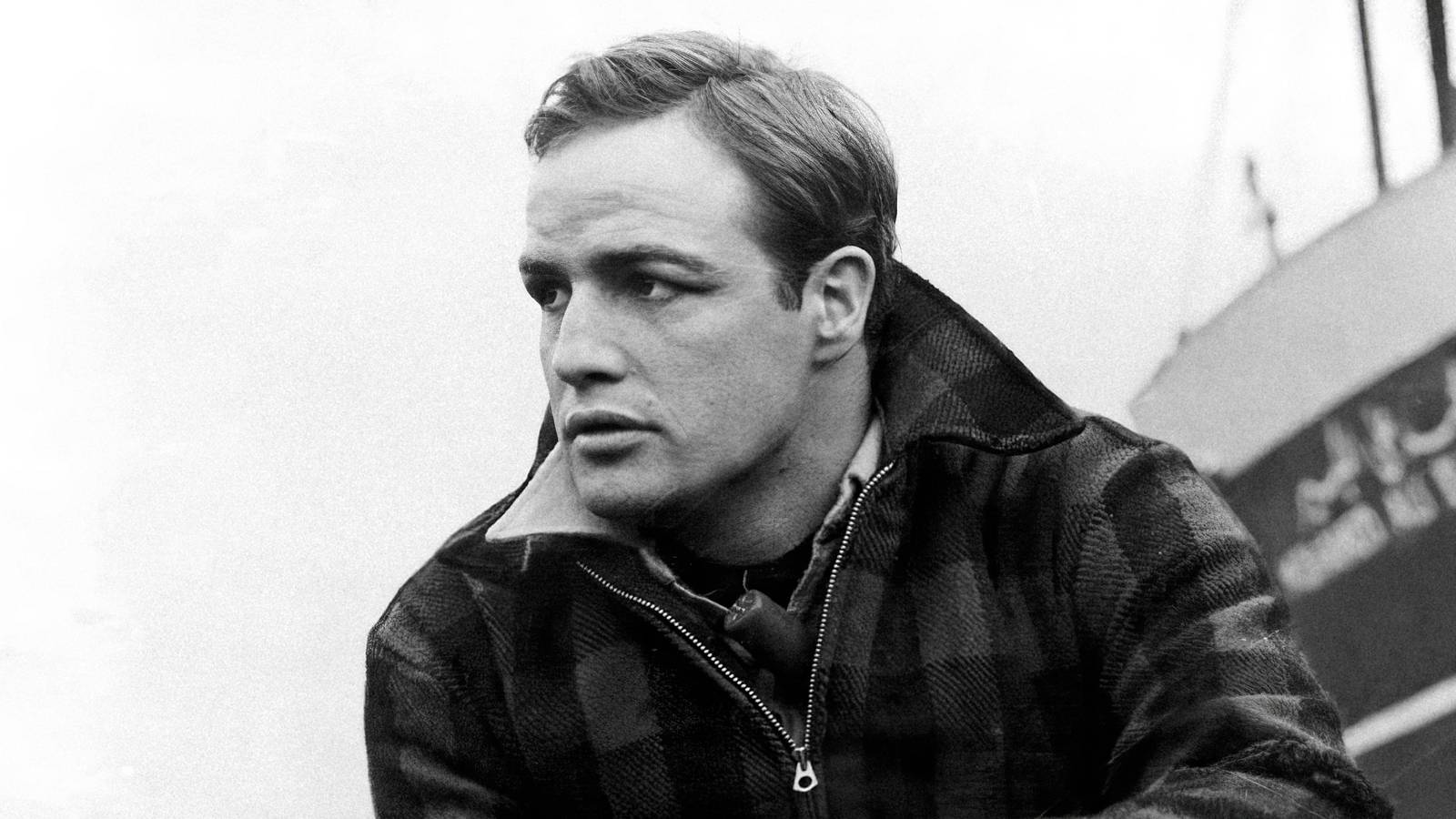
Elia Kazan's On the Waterfront (1954) blended crime with social realism, featuring Marlon Brando's legendary, Oscar-winning performance. The film's exploration of corruption, loyalty, and redemption transcended the genre, proving crime stories could carry the weight of Greek tragedy and resonate on a deeply human level.
Genre-Bending Brilliance
Crime wasn't always grim. Billy Wilder's 1959 masterpiece Some Like It Hot brilliantly mixed mobsters with cross-dressing farce. Starring Marilyn Monroe, Jack Lemmon, and Tony Curtis, the film cleverly skirted censorship to deliver a hilarious and surprisingly progressive comedy that remains one of the funniest movies ever made. For a different twist on lighter criminal fare, check out our list of the 10 Funniest Gangster Movies Ever.
Conversely, 1949's White Heat took a deep, psychological dive into the mind of a gangster, portrayed with ferocious intensity by James Cagney. Its famous "Top of the world!" climax was a rarity for the time, offering a complex, unsettling portrait of criminal psychosis that felt decades ahead of its time.
A Lasting Legacy
These films established conventions, broke rules, and explored the dark corners of the American dream. They proved that compelling crime stories could flourish even under strict censorship, relying on sharp writing, iconic performances, and directorial ingenuity. The shadows they cast are long; modern crime thrillers, from gritty dramas to dark comedies, still walk the paths these classics paved. For fans of the genre's moody aesthetics, our feature on Noir Masterpieces That Closed Hollywood's Greatest Chapters is essential reading.
Their influence extends beyond the big screen. If you're looking for a more contemporary, bingeable fix, our guide to Binge-Worthy Crime Thrillers You Can Devour in a Week offers perfect weekend viewing. From the fatalistic world of Double Indemnity to the witty suspense of Hitchcock, the Golden Age of Hollywood crime cinema remains a high-water mark, a collection of masterpieces where style, substance, and sin collided to create timeless art.