Born from the shadows of the Great Depression and World War II, film noir remains one of cinema's most captivating and debated movements. Influenced by European directors and American pulp fiction, its very definition—genre, style, or historical moment?—is still contested by film scholars. What's undeniable is its profound impact, with many of the greatest movies ever made wearing its dark, stylistic signature. Because noir is so deeply intertwined with the anxieties of its time, several of its defining works didn't just capture an era—they closed the book on one.
The Big Combo (1955)
Joseph H. Lewis's The Big Combo is a masterclass in noir style, now freely available in the public domain. This gripping gangster tale is elevated by John Alton's stark cinematography and David Raksin's moody jazz score, packing every visual and narrative trope the genre is known for into one potent package. While a triumph in its own right, the film now reads as a magnificent last stand for the classic noir style of the 1940s and early '50s. By distilling the genre's essence to its purest form, it pushed noir to its logical endpoint, hinting that its traditional mode was about to evolve into something new.

Kiss Me Deadly (1955)
Arriving just months later, Robert Aldrich's Kiss Me Deadly is a pulpy, nihilistic landmark that proved massively influential for directors like Quentin Tarantino and the French New Wave. Where The Big Combo refined classic tropes, this film violently transformed them. Post-war disillusionment curdles into Cold War nuclear paranoia, and the film's shocking, surreal finale feels like the genre itself exploding. It's a clearer harbinger of change than its predecessor, boldly signaling that the classic noir era was giving way to a more modern, anxious cinema.
Touch of Evil (1958)
Orson Welles's baroque masterpiece, Touch of Evil, arrived as Hollywood's Golden Age and its studio system were crumbling. Initially dismissed by some American critics for its radical departure from noir norms, its innovative camera work and lighting have cemented its status as timeless. The film's exploration of corruption and moral decay, filmed with chaotic, disorienting style, feels like watching the genre slowly unravel. Many historians point to this late-'50s titan as the true final film noir, a fitting capstone not just for a style of filmmaking, but for an entire golden era of Hollywood.
Odds Against Tomorrow (1959)
Robert Wise's Odds Against Tomorrow makes a strong case for being the actual final noir of the era. This taut heist film, set against a backdrop of biting racial tension, shifts the genre's focus from postwar anxiety to urgent contemporary social strife. It deliberately strips away many familiar stylistic hallmarks, as if declaring that the old concerns and visual language were no longer sufficient. The film's radical feel marks a clear transition point, paving the way for the more psychologically complex and socially aware neo-noirs that would follow.
The Long Goodbye (1973)
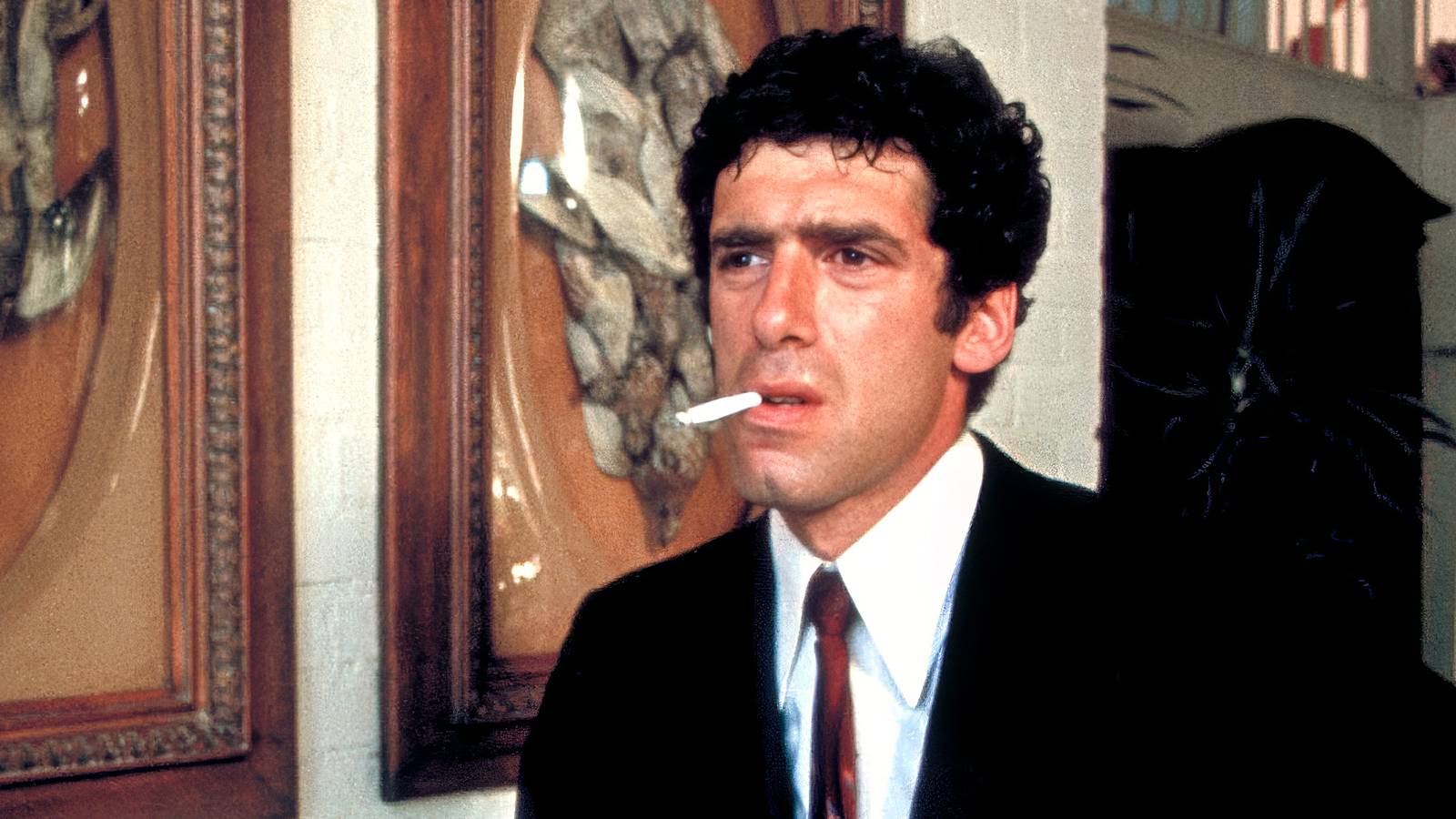
Jumping to the 1970s, Robert Altman's The Long Goodbye brilliantly deconstructed the hard-boiled detective myth for the cynical New Hollywood era. Starring Elliott Gould as a shambling, anachronistic Philip Marlowe, the film subverts every expectation of the noir hero, placing him in a sun-drenched, morally ambiguous Los Angeles. It served as a witty, melancholic eulogy for the classic private eye, proving the old archetypes couldn't survive unchanged in this new cinematic landscape. It's a prime example of how the genre must evolve or perish.
Chinatown (1974)
Roman Polanski's Chinatown stands as perhaps the greatest neo-noir ever made, a film so perfect it arguably ended the creative wave it epitomized. Screenwriter Robert Towne's intricate script and Jack Nicholson's iconic performance created a sun-bleached nightmare of corruption that distilled classic noir themes through a 1970s lens of profound pessimism. Its devastating, famously bleak ending didn't just conclude the story—it felt like a full-stop on the era of auteur-driven, studio-funded New Hollywood masterpieces. After Chinatown, the rules changed again.
Blade Runner (1982)
Ridley Scott's Blade Runner transplanted noir's soul into a dystopian future, creating the definitive tech-noir. Its rain-slicked streets, existential detective story, and themes of identity and memory are pure noir, but its staggering visual design pointed entirely forward. The film's initial commercial failure and subsequent ascent to legendary status marked the end of a certain kind of ambitious, uncompromising big-budget sci-fi. It became a demanding, timeless classic that future genre films would endlessly reference but could never truly replicate, closing another distinct chapter.
Together, these seven films are more than just great movies; they are cinematic turning points. They remind us that art is inextricably linked to its time, and that even our most beloved genres must eventually transform, making way for the next era's stories. For a different kind of cinematic journey, check out our guide to movies that soothe the soul.