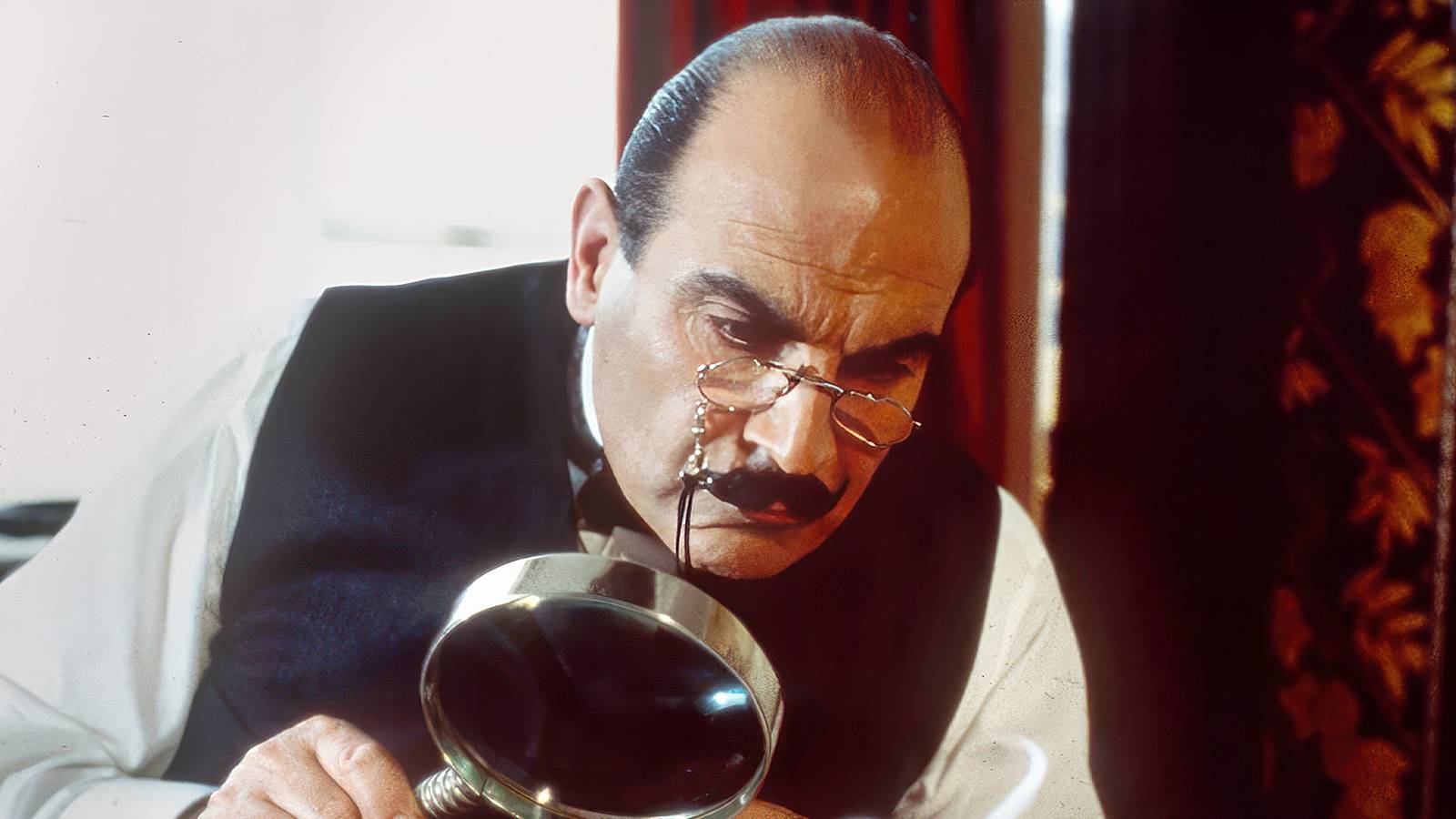
For over two decades, Poirot was the gold standard of television detective dramas. From its debut in 1989 to its final bow in 2013, the ITV series brought Agatha Christie's iconic Belgian sleuth to life with unmatched charm and precision. But while fans tuned in for clever puzzles and satisfying resolutions, the series finale delivered something far more unsettling—a twist that challenged everything Poirot stood for.
The final episode, titled "Curtain: Poirot's Last Case," didn't just wrap up the series; it deconstructed the very essence of its hero. After 13 seasons of watching David Suchet's Poirot meticulously unravel crimes and uphold justice, viewers were confronted with a case that shattered his moral certainty. The culprit, Stephen Norton, wasn't a typical murderer. Instead, he was a master manipulator who psychologically coerced others into committing killings, leaving no direct evidence against him.

Poirot, realizing he's facing an adversary who can orchestrate murder while remaining untouchable, finds himself in an impossible position. With no legal recourse and Norton poised to continue his deadly games, the detective makes a devastating choice: he becomes a killer himself. In a cold-blooded act, Poirot murders Norton, sacrificing his own principles to prevent further bloodshed. The series then ends with Poirot taking his own life, leaving audiences to grapple with the question: was his final act justified?
This dark conclusion was a stark departure from the series' usual tone, and it's precisely why it remains so memorable. It forced viewers to reconsider the nature of justice and the limits of morality. For a character who had always operated within the bounds of the law, his final case was a profound and tragic fall from grace.
Interestingly, the story doesn't end there. The BBC recently announced a new series titled Hercule, which will explore a younger, more naive Poirot in his formative years. Edward Bluemel, known for My Lady Jane, will take on the iconic role, and the show will adapt three of Christie's classic tales, including Lord Edgware Dies. While this new iteration promises to bring fresh energy to the character, it also faces the daunting task of following Suchet's legendary performance.
For those new to Christie's work, there's no better starting point than the original series. Essential Christie mysteries offer a perfect introduction to her genius. And for fans of twisty finales, the Poirot finale remains a benchmark—a reminder that even the most beloved heroes can be pushed to their limits.
As we look ahead to Hercule, it's worth reflecting on what made the original so special. The series wasn't just about solving crimes; it was about the moral complexities that come with them. The finale's twist wasn't just a shock for shock's sake—it was a profound commentary on the cost of justice. And that's why, even after all these years, Poirot's final case continues to haunt and captivate audiences.
Whether you're a longtime fan or a newcomer, the legacy of Poirot is undeniable. Its finale may have been its most disturbing, but it also cemented the series as one of the greatest detective shows ever made. And with BritBox's new Poirot series on the horizon, there's never been a better time to revisit the original.