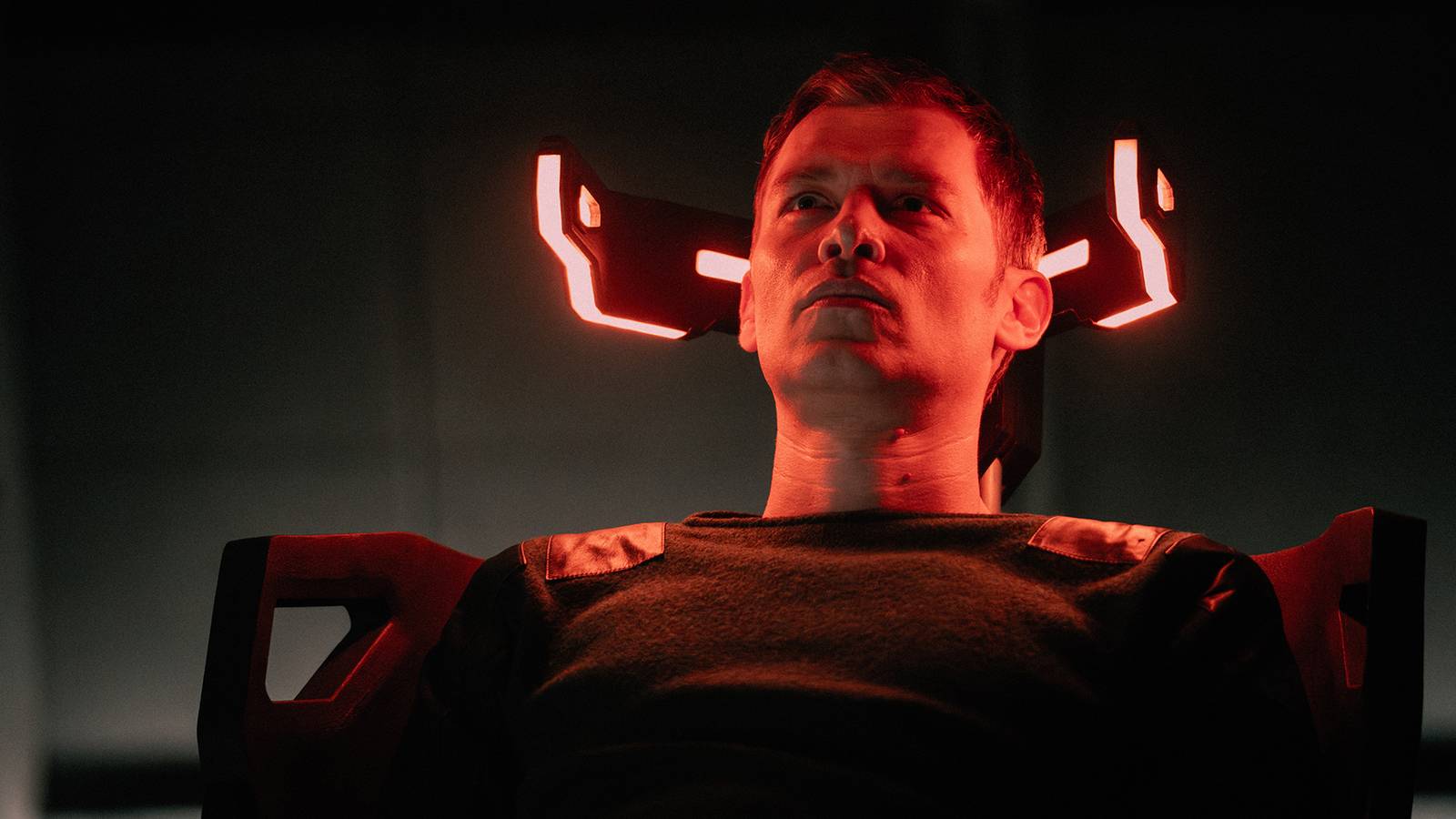
Paramount+ has been betting big on adapting beloved sci-fi video game franchises, but the short-lived run of its Halo series suggests that strategy is backfiring. Despite racking up a staggering 136 million hours watched on Netflix in 2025—a full year after its cancellation—the show stands as a cautionary tale of how not to bring iconic gaming IP to the small screen.
What Went Wrong with Halo?
The series, which debuted in March 2022 on Paramount+, was years in the making and generated immense anticipation among fans of the legendary first-person shooter. However, from the start, the show struggled to capture the magic of the games. The first season was met with mixed reviews, and rather than course-correcting, Season 2 doubled down on its predecessor's mistakes.
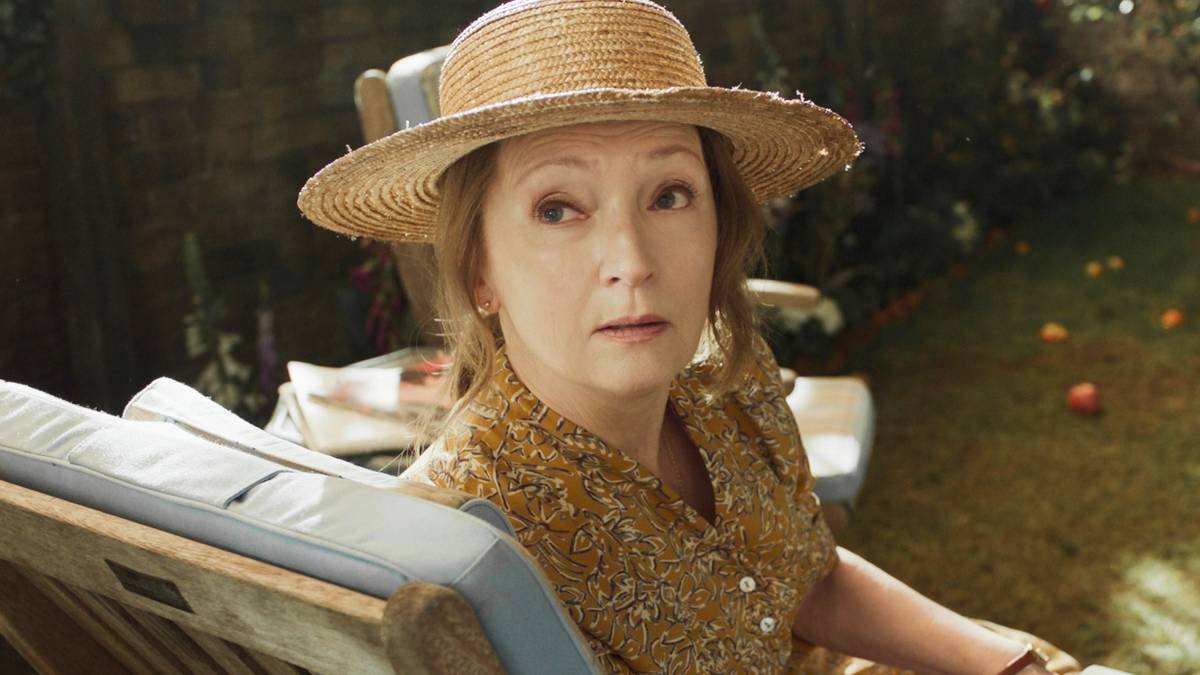
One of the biggest points of contention was the inclusion of original characters like Makee (Charlie Murphy) and Kwan Ha (Yerin Ha). Makee, a human working with the alien Covenant, was particularly divisive. In the games, the Covenant views humanity as an affront to their beliefs, so positioning a human as a high-ranking leader felt illogical and forced. Kwan's subplot, meanwhile, dragged the pacing to a halt. These characters were meant to humanize the story but instead alienated viewers.
Another major misstep was the decision to have Master Chief (Pablo Schreiber) remove his helmet in the very first episode. The creative team argued this was necessary to build a connection with the audience, but it ignored the core appeal of the character in the games, where his face is never seen. This choice drew comparisons to The Mandalorian, which famously keeps its hero's helmet on. In Season 2, Master Chief spent even less time in his iconic armor, with convoluted plotlines that undermined his reputation within the UNSC.
A Missed Opportunity for Sci-Fi Storytelling
The series also suffered from subpar visual effects, with incomplete CGI that failed to match the high standards set by the games. It took two seasons just to reach the starting point of the original 2001 game, Halo: Combat Evolved, making the entire series feel like an extended prologue. For a franchise known for its cinematic storytelling and groundbreaking visuals, this was a letdown.
Paramount+'s strategy of adapting lucrative sci-fi IP has had mixed results. While shows like Fallout have found success by staying true to the source material, Halo serves as a reminder that deviation without purpose can doom a project. The streamer's approach seems to prioritize brand recognition over faithful adaptation, and Halo is the clearest example yet that this tactic isn't working.
Lessons for Future Game Adaptations
If Halo ever gets a reboot—whether on TV or in theaters—the creative team must learn from these failures. Respect for the source material is paramount, and viewers are no longer willing to accept subpar adaptations. The success of other game adaptations, like The Last of Us and Arcane, proves that when done right, these stories can captivate both gamers and general audiences.
For now, Halo stands as a monument to what could have been. Its 136 million hours watched show there was an appetite for the franchise, but the execution fell short. As Paramount+ continues to expand its sci-fi slate, it would do well to remember that a big name isn't enough—the story and its characters must be treated with care.
For more on how other adaptations have succeeded, check out our coverage of Fallout's Maximus Gets a Colossal T-60 Power Armor Statue and The Boys Universe Expands: Trigger Warning Video Game Hits PSVR2.