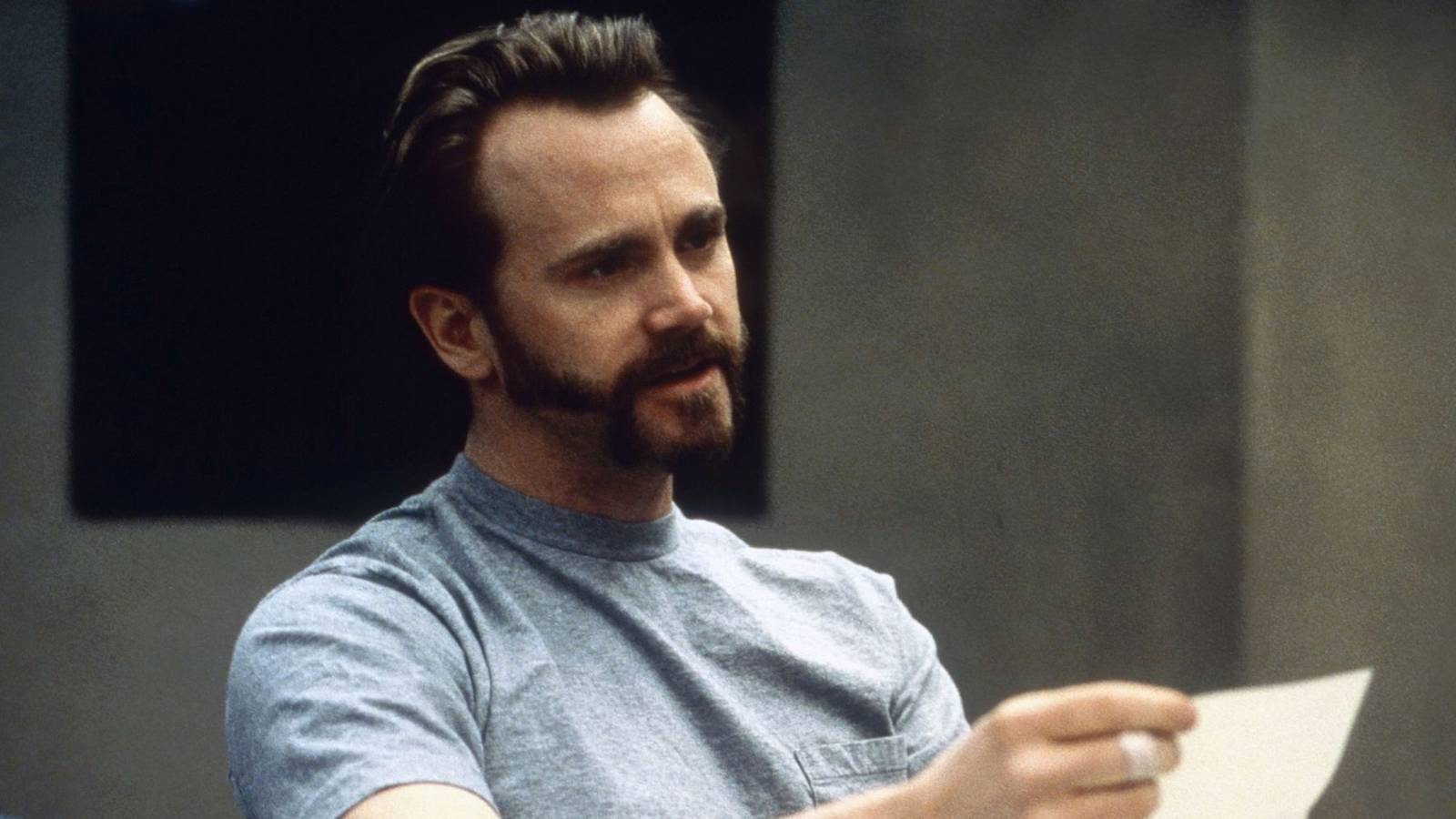
Long before HBO became synonymous with prestige television, a single groundbreaking series proved that the small screen could tackle adult themes with unflinching brutality. That series was 'Oz,' the network's first foray into original hour-long drama that would forever change the landscape of television.
The Prison That Started It All
Premiering in 1997, 'Oz' transported viewers into the harsh, unforgiving world of Oswald State Correctional Facility. Through the eyes of new inmate Tobias Beecher, audiences witnessed the raw reality of prison life in the experimental Emerald City unit. The series explored the prison-industrial complex with a level of honesty and violence that network television had never dared attempt, establishing HBO's reputation for boundary-pushing content.
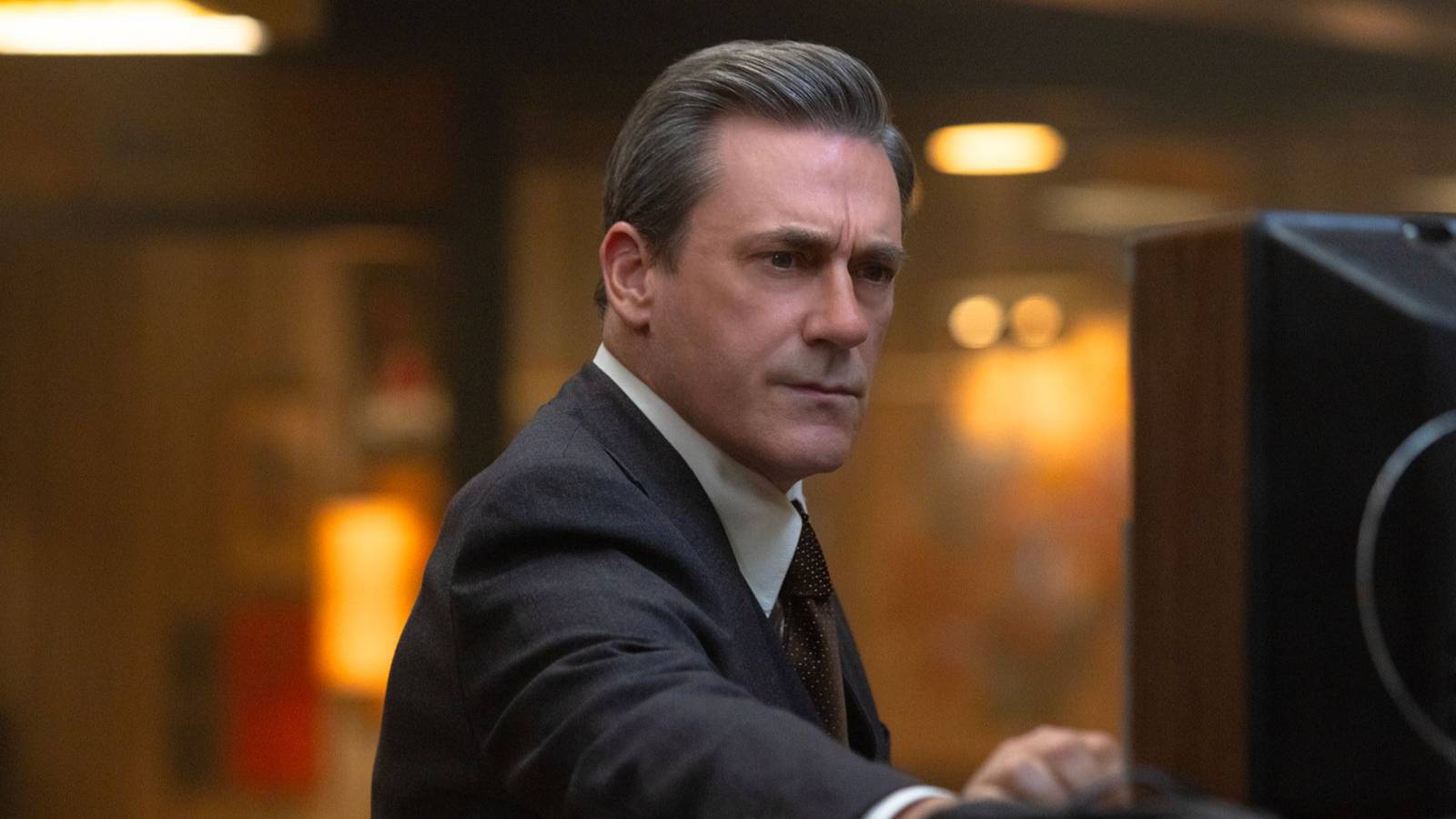
What made 'Oz' revolutionary was its complete lack of moral compromise. The show presented its characters—both inmates and guards—as complex, flawed human beings navigating a system designed to break them. Unlike sanitized prison dramas that came before, 'Oz' showed the psychological toll of incarceration, the politics of survival, and the brutal violence that became daily currency within prison walls.
A Launchpad for Acting Legends
The series served as a career-defining platform for numerous actors who would become household names. J.K. Simmons delivered a chilling performance as white supremacist leader Vern Schillinger, while Christopher Meloni portrayed the dangerously charismatic Chris Keller. The ensemble cast also featured future stars like Harold Perrineau as narrator Augustus Hill and Adewale Akinnuoye-Agbaje as the formidable Simon Adebisi.
These actors embraced roles that were often difficult to watch but impossible to forget. Their performances helped establish the template for the complex antiheroes that would dominate television in the decades to follow. The show's willingness to explore dark psychological territory gave these performers material that simply didn't exist elsewhere on television at the time.
Uncompromising Vision
'Oz' took full advantage of premium cable freedoms to create a viewing experience that was both compelling and frequently disturbing. The series didn't just show violence—it examined its causes and consequences with surgical precision. Through Augustus Hill's poetic, fourth-wall-breaking narration, the show offered philosophical commentary on the nature of punishment, justice, and human behavior under extreme duress.
For six seasons, viewers followed Tobias Beecher's transformation from a naive lawyer to a hardened survivor, witnessing how the prison system fundamentally altered every person who entered it. The character arcs were never predictable, the violence never gratuitous—each brutal moment served the larger narrative about institutional failure and human resilience.
Legacy of a Television Pioneer
While later HBO crime dramas like 'The Penguin' would build on this foundation, 'Oz' remains the original blueprint. The series demonstrated that television could sustain complex, serialized storytelling with cinematic production values and mature themes. It proved there was an audience for challenging content that didn't talk down to viewers or shy away from difficult truths.
Today, 'Oz' stands as essential viewing for anyone interested in the evolution of television drama. Its influence can be seen in everything from the gritty realism of modern crime series to the complex character studies that define peak TV. While the show's content remains as harrowing as ever, its quality storytelling and fearless execution make it a timeless entry in HBO's impressive catalog—a must-watch for fans of uncompromising crime drama who appreciate television that makes them think as much as it makes them feel.