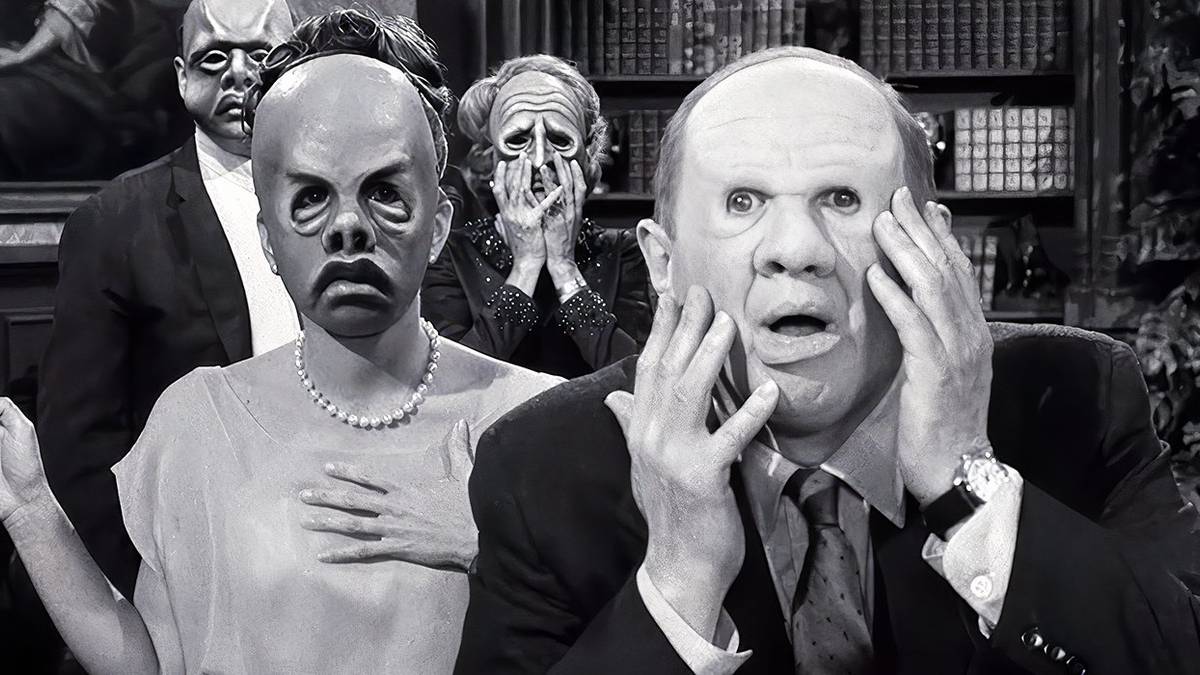
More than five decades after Rod Serling brought The Twilight Zone to television, his other anthology series, Night Gallery, still deserves a spotlight. Running for three seasons and 43 episodes on NBC, this show took Serling's fascination with the strange into far darker realms, swapping sci-fi for horror, fantasy, and macabre suspense. For anyone who has binged every Twilight Zone episode and craves more, Night Gallery is the natural next step—and one of the most compelling dark fantasy series of its time.
While The Twilight Zone often used aliens and futuristic tech to sneak in social commentary, Night Gallery dove headfirst into nightmares. Serling's earlier show was already a thoughtful, culturally resonant series, but this follow-up let him explore a different side of genre storytelling. It may not be as consistently brilliant as its predecessor, but it showcases Serling experimenting with a darker tone that makes it a fascinating companion piece.
A Shift Toward Horror
Serling's move to the late '60s and early '70s was telling. After The Twilight Zone ended, he continued to tackle political themes in films like Planet of the Apes, but when he returned to anthology TV, the world had grown more socially charged. Instead of repeating his old formula, Night Gallery allowed him to lean into horror and the supernatural. For the first time, his small-screen work was almost purely genre—though that wasn't entirely his choice, as we'll see.
If you've exhausted The Twilight Zone, Night Gallery feels like a natural extension. The pilot aired on November 8, 1969, with the full series premiering on December 16, 1970, and running until May 27, 1973. Like its predecessor, it's an anthology with fresh stories each week. Serling opens every episode in a dimly lit art gallery, describing the paintings as "suspended in time and space, a frozen moment of a nightmare." It's a familiar yet eerie setup, with Serling as the omnipresent guide.
While Night Gallery leans more into horror, it's not a one-note show. It dabbles in fantasy, drama, crime, mystery, and even comedy. Unlike The Twilight Zone's half-hour single-story format, these episodes often ran an hour and featured multiple tales per week. You wouldn't get a single "Nightmare at 20,000 Feet"; instead, you'd get episodes like "The Caterpillar/Little Girl Lost" or "A Fear of Spiders/Junior/Marmalade Wine/The Academy." The music isn't by Bernard Herrmann, but the various composers still deliver a suitably spooky atmosphere.
The Pilot Sets the Tone
At its core, Night Gallery is a horror show. Sometimes it's almost too straightforward, given Serling's genius, but there's nothing wrong with a good, simple scare. The pilot features three tales, starting with "The Cemetery," a classic horror gem. It follows a man who murders his wealthy uncle for his estate, only to see a painting of the family cemetery change, showing the uncle rising from the grave. It's a shadow-drenched, haunted-house story that would make Universal and Hammer proud. Stick around for "Eyes," directed by a young Steven Spielberg.
Serling didn't write everything, though. Other writers contributed, including TV veterans like Jack Laird and Malcolm Marmorstein, and genre legends like Richard Matheson and Robert Bloch. There's even an adaptation of H.P. Lovecraft's "Pickman's Model" and an episode featuring Count Dracula (played by Cesar Romero) in "A Matter of Semantics."
For fans of forgotten fantasy TV shows, Night Gallery is a must-watch. It's a darker, more experimental sibling to The Twilight Zone, and it holds up remarkably well. If you're looking for a deep dive into Serling's otherworldly vision, this is it.