When it comes to Western television, few shows have left a mark as indelible as Have Gun — Will Travel. While modern hits like Yellowstone and Deadwood dominate conversations, this six-season gem from the late 1950s quietly holds a record that even HBO's acclaimed classic can't claim: the greatest opening scene in the genre's history. In just a few seconds, it manages to encapsulate everything that makes a Western unforgettable.
The show follows Paladin, a gentleman gunslinger played with quiet intensity by Richard Boone. Unlike the rough-and-tumble cowboys of typical Western lore, Paladin is educated, philosophical, and deadly when needed. He roams the Old West, taking on jobs that often blur the lines between right and wrong. But before any of that unfolds, the opening sequence sets the tone with a masterclass in brevity and impact.
The Iconic Opening That Defined a Genre
The intro fades in on Paladin's holster, emblazoned with a knight chess piece, as he draws his .45 Colt. A four-note instrumental cue—Johnny Western's 'The Ballad of Paladin,' co-written with Boone and creator Sam Rolfe—plays, immediately establishing a sense of solemn purpose. Each episode also opens with a brief quote from Paladin, teasing the moral quandaries ahead. This combination of visual and audio storytelling is so efficient that it rivals even the most celebrated unforgettable opening scenes in TV history.
What makes this opening so powerful is its restraint. There's no sprawling landscape or dramatic voiceover—just a weapon, a melody, and a hint of danger. It tells us everything we need to know about Paladin: he's a man of action, but also one of thought. The sequence builds anticipation without giving anything away, a feat that few shows have matched since.
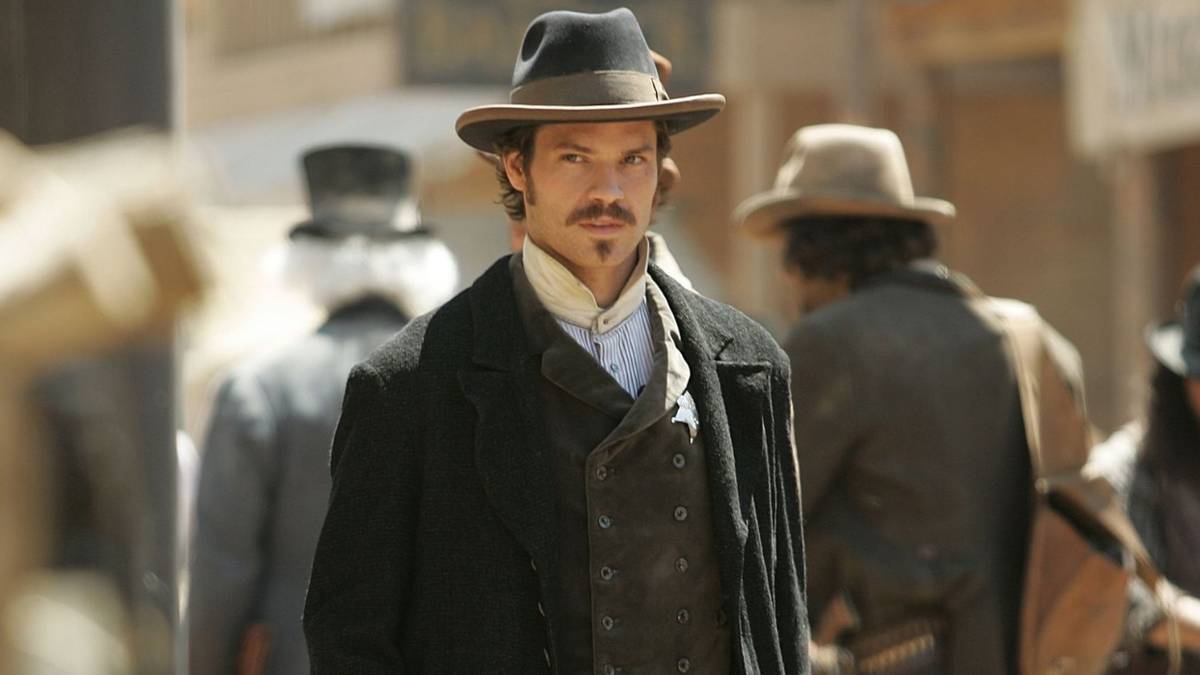
Why It Beats 'Deadwood'
Comparisons to Deadwood are inevitable, but Have Gun — Will Travel wins on efficiency. While Deadwood's opening is atmospheric and gritty, it relies on a longer buildup. Paladin's intro, by contrast, communicates character and tone in under 30 seconds. It's a testament to the power of simplicity—a lesson many modern shows could learn from.
Even when the intro evolved in later seasons, shifting from a close-up of the holster to a silhouette of Paladin in action, it retained its core essence. The emphasis on his solitary nature—no sidekicks, no true companions—reinforces the loneliness of his profession. The end credits, featuring the lyrical version of 'The Ballad of Paladin,' further cement his mythic status, with the line 'a knight without armor in a savage land' perfectly summing up his character.
Paladin: A Western Hero Like No Other
Beyond the opening, Have Gun — Will Travel offers a protagonist who defies expectations. Paladin is as comfortable quoting Shakespeare as he is drawing his gun. This intellectual depth, rare for the genre, attracted top-tier writers, including a young Gene Roddenberry, who would later create Star Trek. Roddenberry's episodes often saw Paladin solving problems without violence, adding a layer of complexity that kept audiences hooked for six seasons.
The show's enduring appeal lies in its ability to balance action with introspection. Each episode drops Paladin into a new town with new faces and familiar human conflicts, and it's impossible not to get swept up in his journey. The opening sequence, with its iconic four-note stride, is the perfect gateway into this world—a world where justice is never black and white, and every decision carries weight.
For fans of Westerns, Have Gun — Will Travel is a must-watch, and its opening is a masterclass in storytelling. It's no wonder that even today, it's celebrated as one of the best Westerns that hit the same nerve as Taylor Sheridan's best work. If you've never experienced this classic, start with that unforgettable intro—you'll be hooked before the first scene even ends.