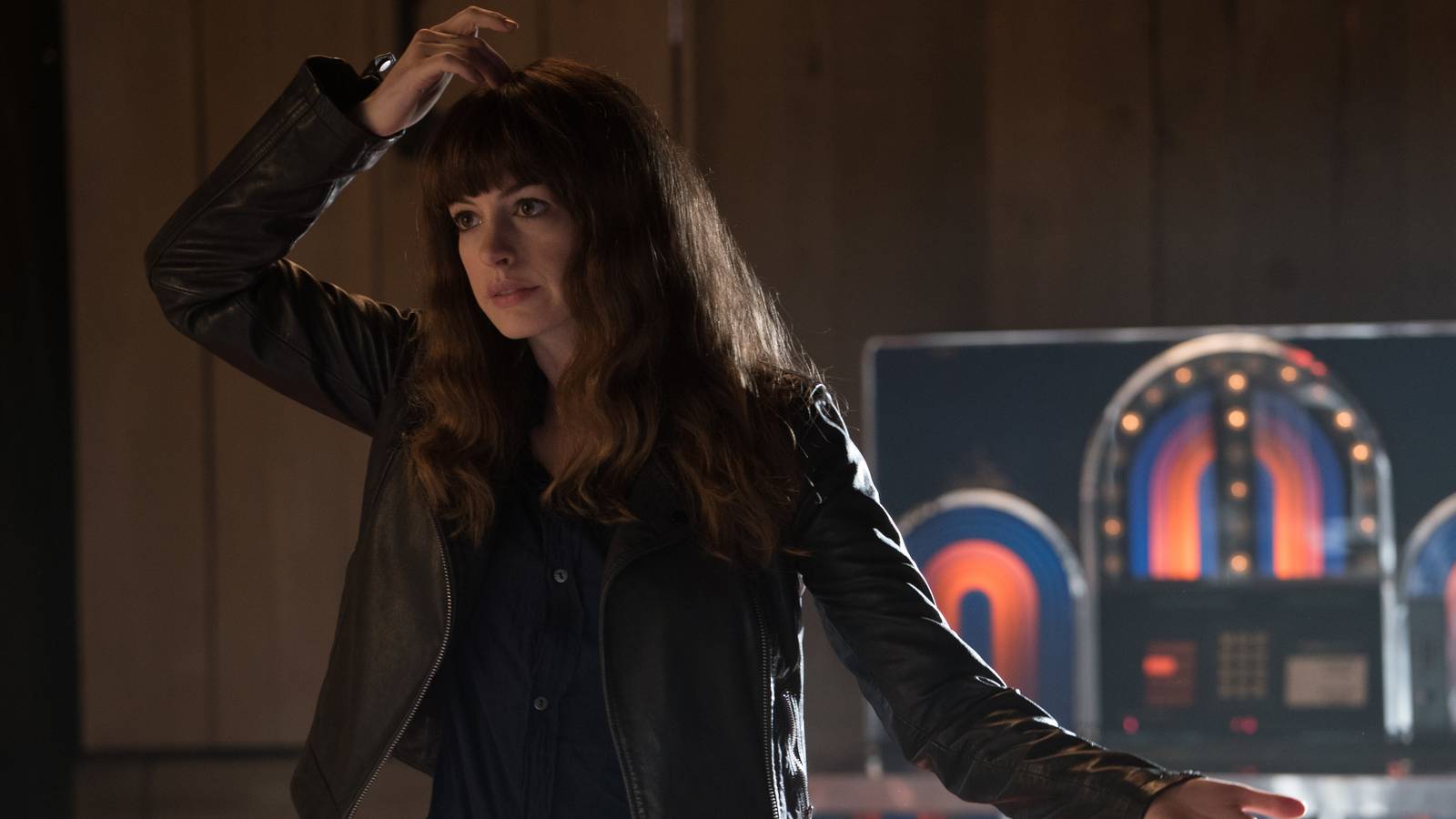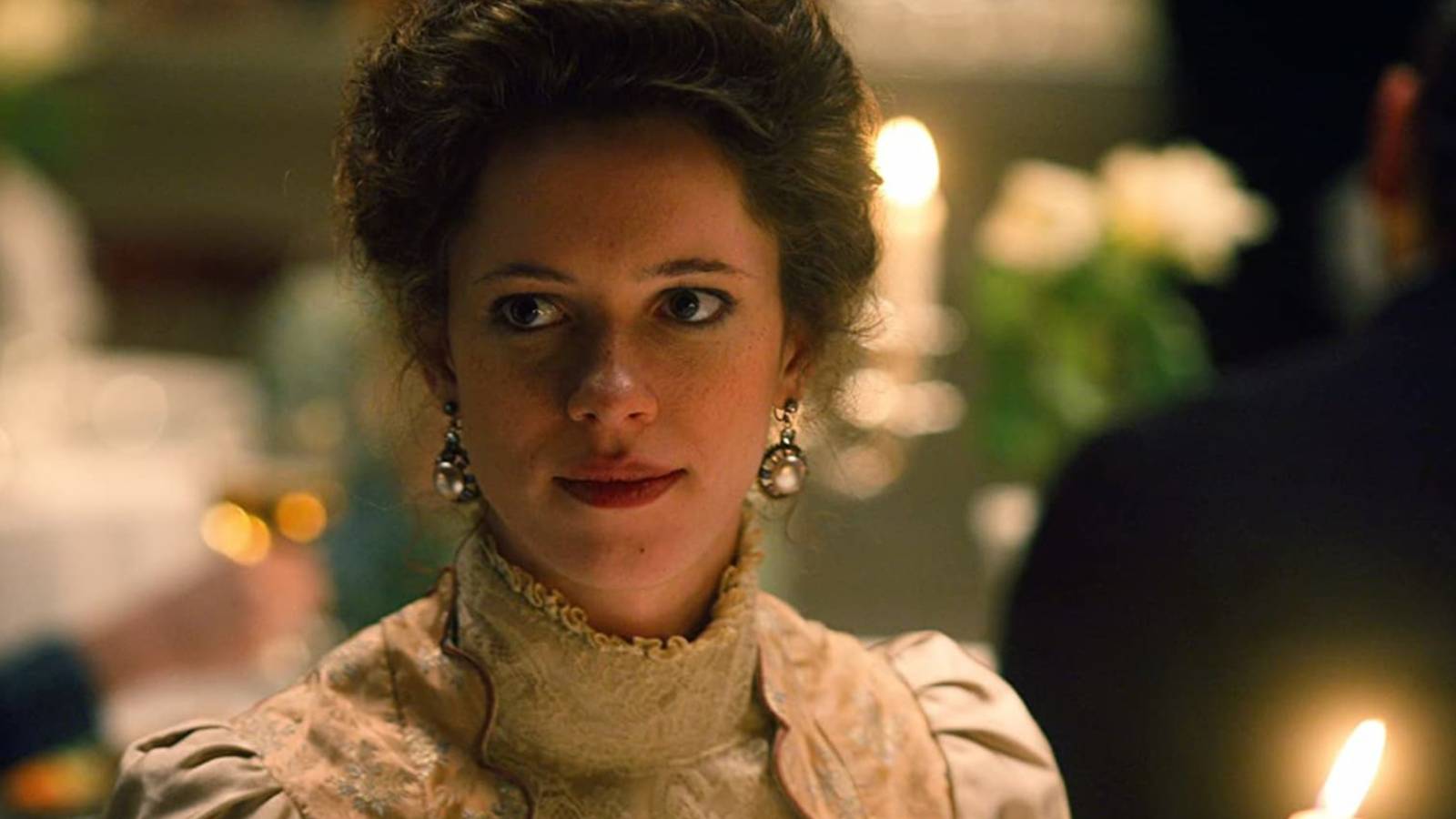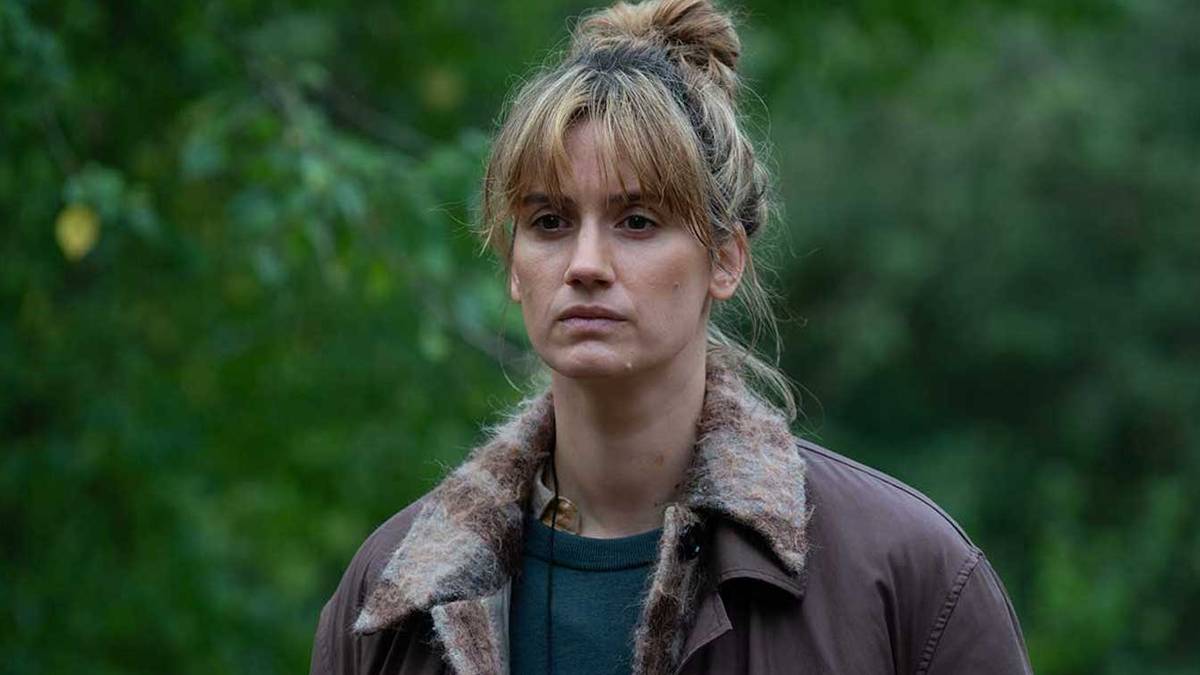
Forget everything you think you know about Nordic noir. Netflix's six-part Danish series The Chestnut Man elevates the genre, transforming a grisly murder investigation into a profound exploration of trauma and memory. With a flawless critical score and a plot that grips from the first frame, this adaptation of Søren Sveistrup's bestselling novel is the perfect weekend binge for thriller aficionados.
The Clue That's More Than a Calling Card
At the heart of the mystery are detectives Naia Thulin (Danica Ćurčić) and Mark Hess (Mikkel Boe Følsgaard), an unlikely pair thrown together to hunt a serial killer. The crime scenes are brutal, but the signature left behind is deceptively simple: a small doll made from a chestnut and twigs. What begins as a bizarre, almost childish artifact quickly becomes the investigation's linchpin. This isn't just a killer's mark; it's a direct thread pulling at the seams of a buried case everyone wanted to forget.

The genius of the series lies in this subversion. The chestnut men are not smeared in blood or adorned with occult symbols. They are haunting precisely because of their innocence. The show masterfully builds dread around these everyday objects, making each new discovery a pulse-quickening event. As Thulin and Hess soon learn, a single misplaced fingerprint on one doll bridges past and present in a way that is both shocking and inevitable.
A Cast That Delivers Depth, Not Just Drama
The investigation is led by two compelling performances. Danica Ćurčić brings a fierce, grounded intensity to Thulin, a detective struggling to balance the consuming case with the demands of single motherhood. Mikkel Boe Følsgaard, often seen in historical roles, sheds that skin to play Hess, a Europol liaison who projects aloofness but hides deep-seated ghosts. Their chemistry is a slow burn, evolving from professional friction to a partnership forged in the fire of uncovering unbearable truths.
The series refuses to let its victims be mere plot devices. It dedicates time to exploring the shattered lives left in the killer's wake—the grieving families and the hollow spaces where people once were. This emotional weight ensures the stakes feel devastatingly real. When you're looking for your next gripping watch, consider this a top contender for Your Perfect Netflix Weekend.
Where the Real Horror Lies
The true terror in The Chestnut Man isn't the spectacle of violence, but its lingering aftermath. The series is less about the "who" and more about the "why," meticulously examining how trauma ripples outward, damaging everyone it touches. For Thulin, the case becomes dangerously personal, threatening her carefully maintained boundaries. For Hess, it forces a confrontation with demons he thought he'd left behind.
Every clue—a fingerprint, a name from the past—acts less like a puzzle piece and more like a detonator, capable of blowing lives apart on contact. The show argues that the cost of solving a crime can sometimes be as profound as the crime itself. By the final episode, while the central mystery is resolved, viewers are left to grapple with the heavy emotional toll exacted on the characters, making it a thriller that resonates long after the credits roll.
For fans of meticulously crafted, character-driven suspense, The Chestnut Man stands as a benchmark. It joins the ranks of other gripping narratives that prove the most unsettling stories are often those where the monsters are human, and the scars are invisible. If you appreciate shows that delve into moral complexity, you might also enjoy exploring other noir masterpieces that master the art of shadow and consequence.