Neil Jordan, the acclaimed director behind Interview with the Vampire, has never been shy about his preference for practical effects over computer-generated imagery. In a new exclusive interview, Jordan doubled down on his stance, declaring that even the most advanced CGI—like that used by James Cameron—still looks off to his trained eye.
Jordan, whose 1994 vampire classic starred Tom Cruise and Brad Pitt, explained that his background in practical filmmaking has given him a keen ability to detect when something is digitally created. "I can always tell," he said. "Even in James Cameron's movies, which are technically brilliant, there's something that doesn't quite sit right with the eye."

That's a bold claim, considering Cameron is widely regarded as a pioneer in pushing CGI technology forward, from Terminator 2: Judgment Day to Avatar. But Jordan isn't dismissing the craft—he's simply arguing that practical effects, when done well, create a more convincing illusion.
"There's a texture, a weight to physical things that computers still struggle to replicate," Jordan noted. "When you see a real set, real makeup, real prosthetics, your brain accepts it without question. With CGI, there's always a tiny part of you that knows."
Jordan's comments come at a time when the industry is increasingly reliant on digital tools. Streaming giants and blockbuster franchises often lean heavily on CGI to create worlds that would be impossible to build practically. Yet some filmmakers, like Christopher Nolan and Jordan himself, continue to champion in-camera effects.
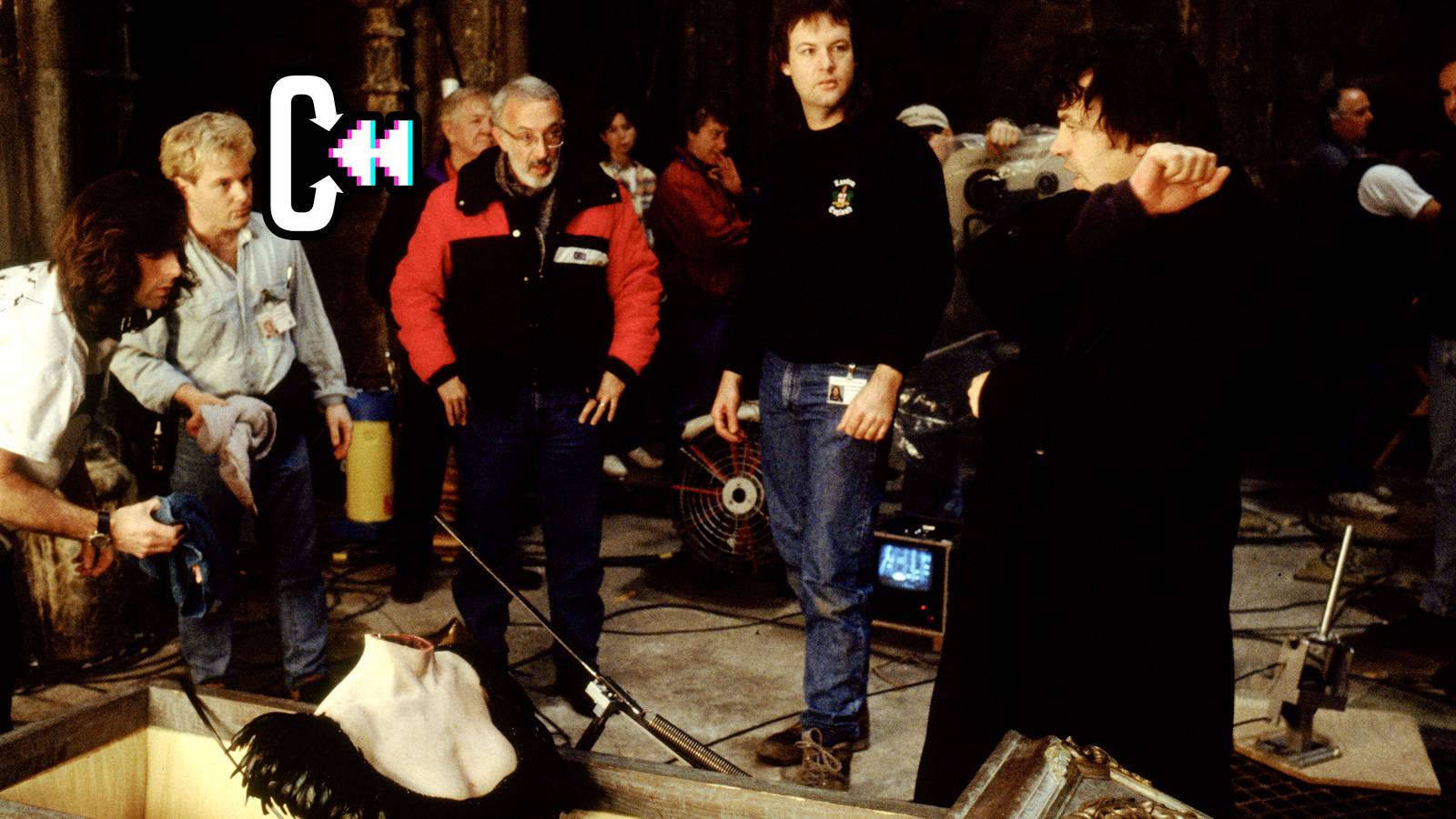
For Jordan, the choice is personal. He recalls the challenges of filming Interview with the Vampire, where practical makeup and sets helped ground the supernatural story in a tangible reality. "We built these elaborate sets, and the actors could interact with them. That energy translates to the screen," he said.
He also pointed to the vampire genre as a prime example where practical effects shine. "Vampires are about intimacy, about the physical act of feeding. If you CGI that, you lose the visceral horror."
While Jordan acknowledges that CGI has its place—particularly for large-scale action sequences—he believes it should be used sparingly. "It's a tool, not a crutch," he said. "The best films use it to enhance, not replace."
As for Cameron, Jordan has nothing but respect. "He's a genius, but I'd love to see him do something completely practical again. I think he'd surprise himself."
Fans of vampire lore can also look forward to new projects like the upcoming teenage vampire film and Peacock's Vampire Academy, which continue to explore the genre. Meanwhile, Jordan's insights remind us that sometimes the oldest tricks in the book are still the most effective.