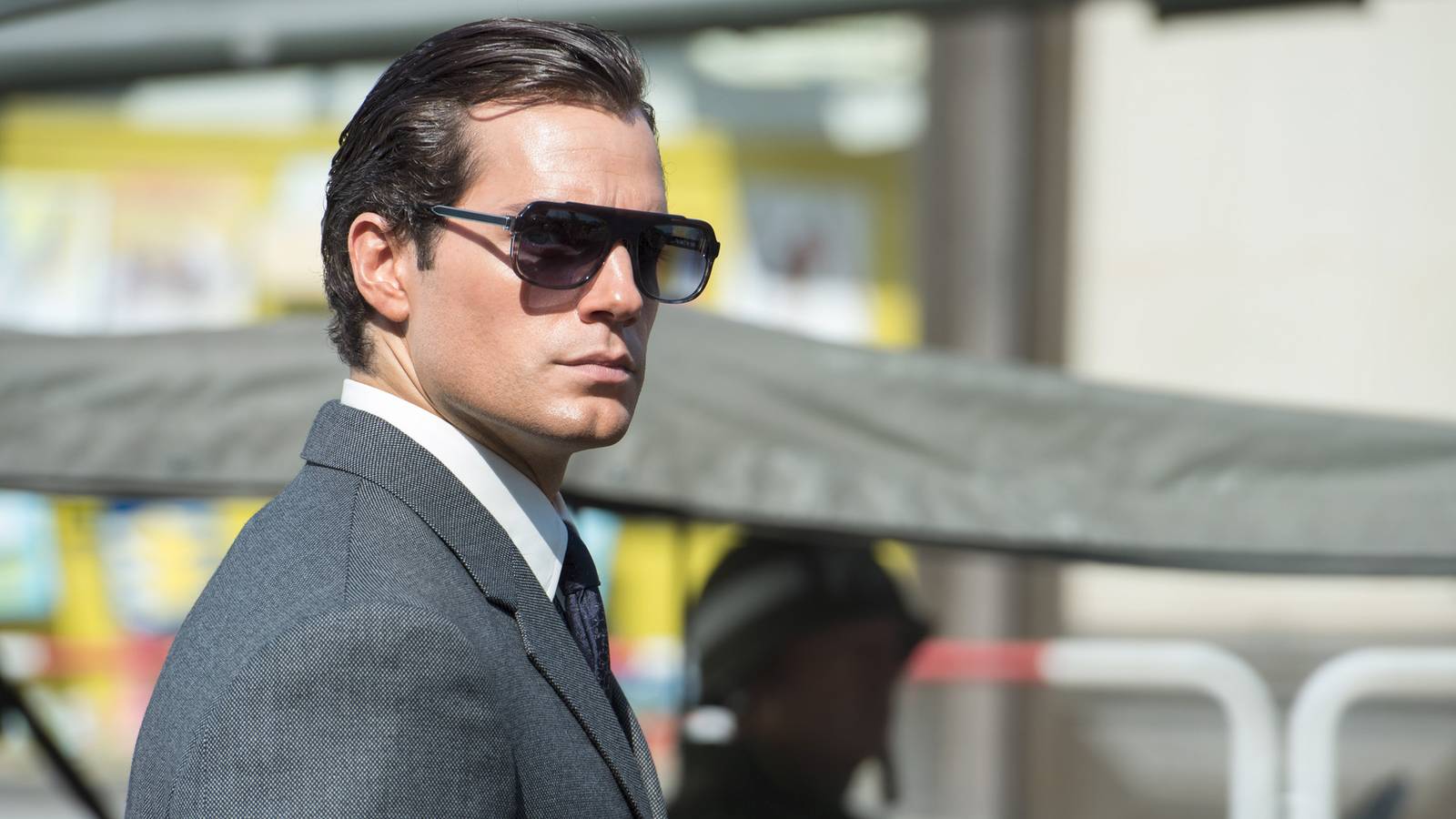
Spy movies are at their best when style and danger keep breathing down each other's necks. I've made sure to only list the films that hit these two. The reason that it needs these two is because the genre can give you tailored suits, impossible missions, coded conversations, romantic traps, fake identities, government rot, and betrayal so quiet it barely raises its voice.
The real thrill, however, only comes from watching people survive inside lies and style. These 10 spy movies gave me everything I wanted from this genre. And if you know what I'm talking about, missing these won't be worth it.
10. 'The Man from U.N.C.L.E.' (2015)
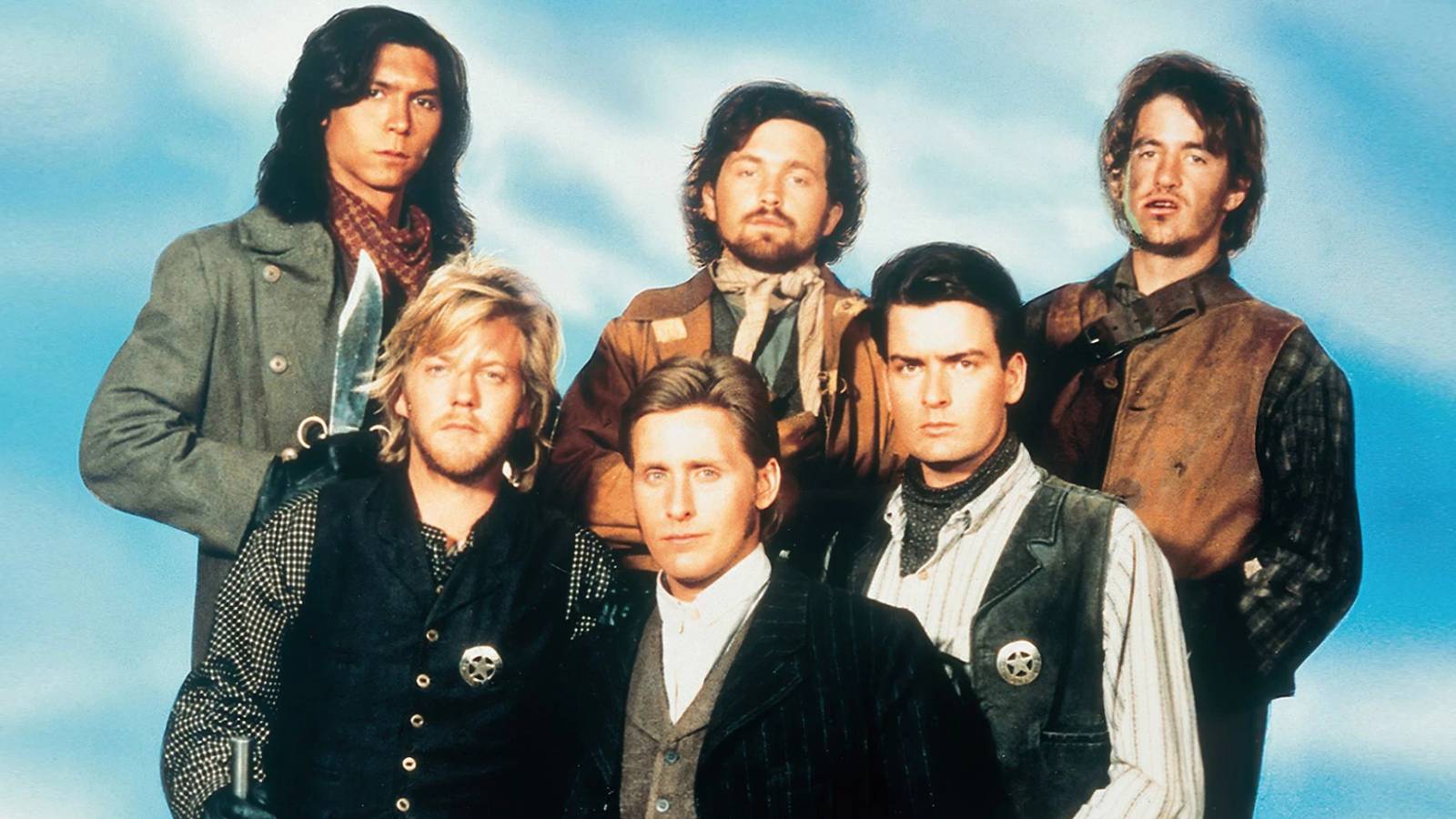
I remember finishing this film and wanting its sequel so bad. It's still not here. And that's sad. Sometimes this genre needs a movie that walks in with a perfect jacket, a stupidly expensive smile, and zero interest in pretending espionage cannot be fun. The Man from U.N.C.L.E is that. It follows CIA thief-turned-agent Napoleon Solo (Henry Cavill) and KGB operative Illya Kuryakin (Armie Hammer) who are forced to work together during the Cold War to stop a criminal organization from building a nuclear weapon.
Gaby Teller (Alicia Vikander), the daughter of a missing scientist, becomes their way into the conspiracy, and the whole mission runs on style, suspicion, and people pretending they are less attracted to each other than they obviously are. The joy is in the friction. Solo is smooth enough to make danger look like a dinner reservation. Illya is all control until his temper cracks through the suit. Gaby keeps puncturing both men's spy-movie poses with a look or a line that brings them back to Earth. The speedboat chase, the boutique disguises, the hotel-room wrestling bit, the Italian glamour, Daniel Pemberton's score, all of it makes the film uncontrollable.
9. 'Mission: Impossible' (1996)
Mission: Impossible follows everybody's favorite Ethan Hunt (Tom Cruise), who was Jack Reacher's replacement for cinema before Cruise or Alan Ritchson became Reacher. Ethan begins as the young point man on an IMF team that gets wiped out during a mission in Prague, and the agency quickly decides he must be the traitor. Suddenly, the clean team structure collapses, and Ethan has to build a new plan with disavowed operatives, stolen intelligence, and the sick feeling that someone has been playing him from inside his own life.
The spy pleasure here is procedural panic. The gum explosion, the aquarium restaurant, the NOC list, the fake identities, the sweat drop above the computer terminal, Claire (Emmanuelle Béart) double edge, Luther's (Ving Rhames) calm brilliance, Krieger's (Jean Reno) knife energy, the train tunnel insanity; every piece feels like espionage as magic trick and stress test. And while later entries made Ethan superhuman. This one keeps him clever, scared, hunted, and beautifully cornered.
8. 'The Bourne Identity' (2002)
Is there a movie that starts better than The Bourne Identity? With a better raw nerve than a man pulled from the sea with bullets in his back and no memory of why people want him dead? I don't think so. This film follows Jason Bourne (Matt Damon) who wakes up as a blank, then slowly discovers he can fight, read rooms, speak languages, and disappear with a competence that scares him as much as it saves him. Marie (Franka Potente), a German woman he pays for a ride, gets pulled into his flight across Europe and becomes the first person treating him as a human being instead of a weapon.
That emotional confusion gives the action real charge. Bourne fighting in the Paris apartment, scanning exits without thinking, using a pen against an assassin, sleeping in the car while Marie watches him, and realizing his old handlers built him for murder all push the film beyond chase mechanics. The shaky urgency changed spy-action cinema for years, but its deeper pull was identity. Imagine not knowing who you are but you fight like John Wick.
7. 'Skyfall' (2012)
A great Bond film has to understand the suit and the wound under the suit. Skyfall gets that better than almost any modern entry. Bond (Daniel Craig) is presumed dead after a failed mission, MI6 is exposed by a cyberterrorist attack, and M (Judi Dench) becomes the personal target of Raoul Silva (Javier Bardem), a former agent who feels discarded by the institution she still defends. The movie turns the spy genre inward, toward aging, loyalty, and the cost of serving a system that can love you only as long as you are useful.
The familiar pleasures are all there: the Istanbul chase, the Shanghai glass tower, the Macau casino, the Aston Martin, the tux, the theme song swagger. Yet the film keeps circling back to Bond and M as two damaged professionals who understand each other through duty more than tenderness. Silva's entrance, with that long walk and wounded theatricality, gives the film a villain whose rage comes from betrayal rather than world-domination nonsense. When the story retreats to Bond's childhood home, the glamour burns away, and 007 becomes a man defending the only family thing...