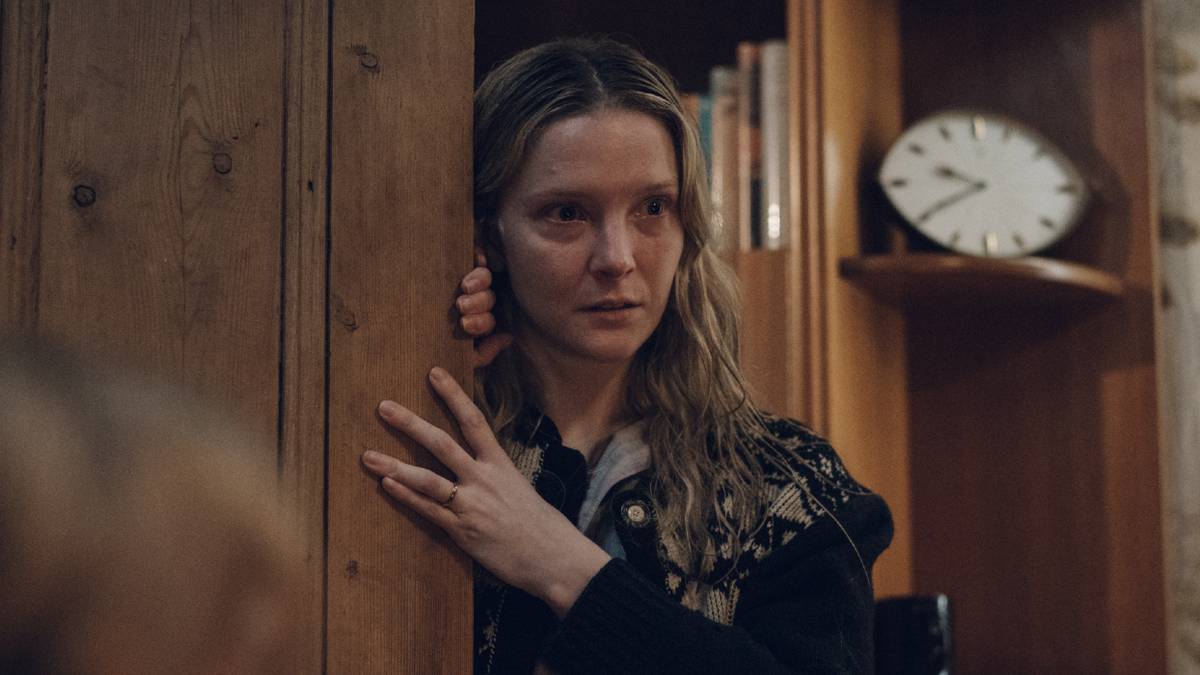
If you're craving a folk horror that gets under your skin rather than making you jump, Starve Acre is your next obsession. Starring Morfydd Clark (The Lord of the Rings: The Rings of Power) and Matt Smith (House of the Dragon), this British gem has been quietly haunting streaming audiences—and it's one of the most unnerving films of the decade.
Set in the 1970s Yorkshire countryside, Starve Acre wears its influences—The Wicker Man, Don't Look Now—on its sleeve, but it's no mere homage. Director Daniel Kokotajlo builds dread not through jump scares or gore, but through lingering shots of oppressive landscapes and a slow, deliberate pace that forces you to sit in the unease. This isn't a puzzle-box horror like Midsommar; it's a test of endurance, for both the characters and the audience.
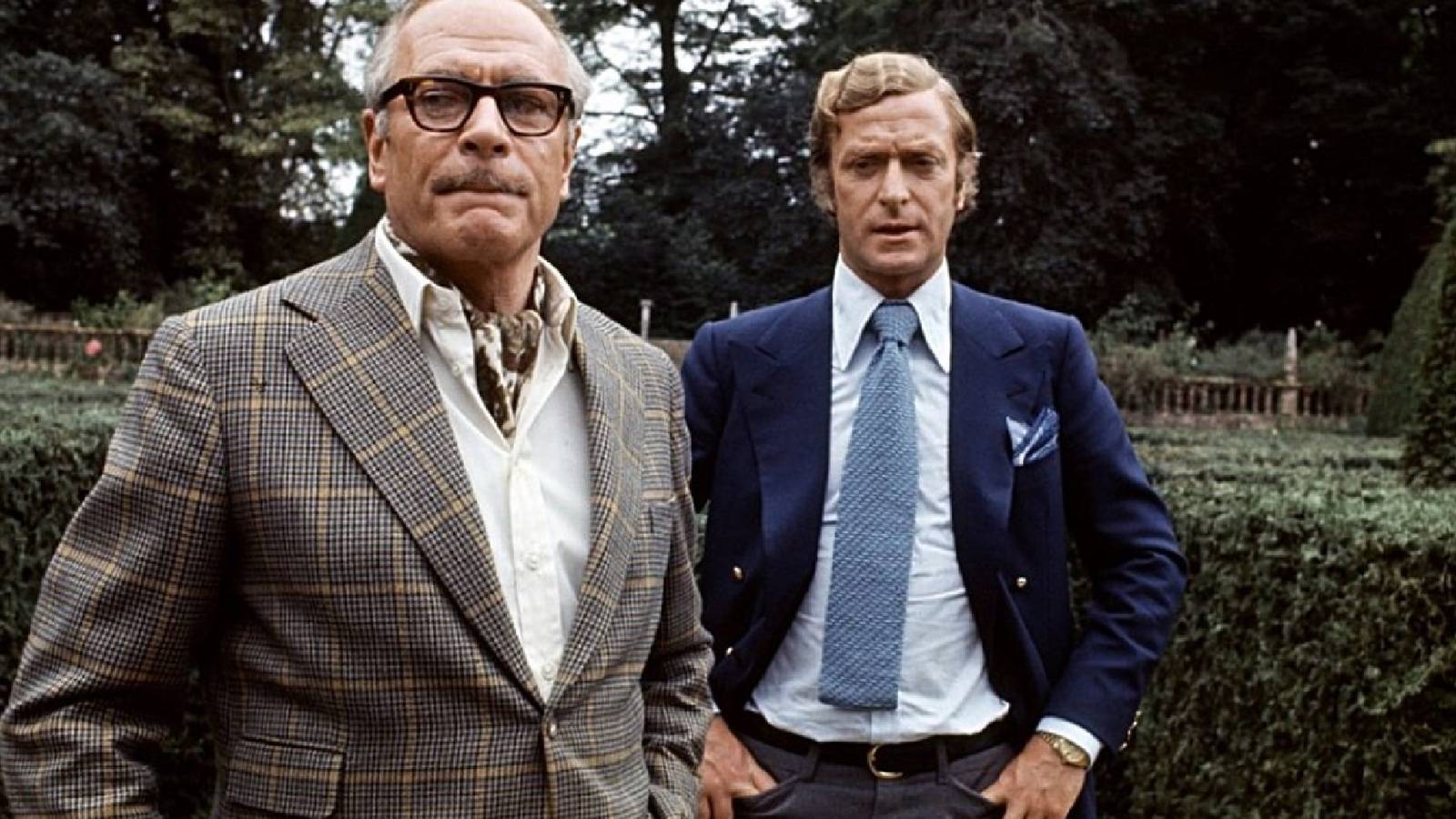
A Family Haunted by Grief and Folklore
Richard (Smith) and Juliette (Clark) move to his childhood home in rural Yorkshire, hoping fresh air will help their son Owen's severe asthma. Two years later, Owen's behavior has only worsened—culminating in a shocking act of violence against a horse. When Juliette mentions Owen's imaginary friend, Jack Grey, Richard is visibly shaken. It's a name from his own past, featured in a poem written by his father, Neil. Soon, tragedy strikes, and grief becomes the film's central, suffocating presence.
Richard's work as an archaeologist becomes a metaphor for his own buried trauma. As he unearths bones and ancient roots, he's forced to confront the childhood abuse he suffered at the hands of his father—a man who used pagan superstitions to justify cruelty. A cut-down oak tree on the property becomes a symbol of that pain, a place where Richard's father and his friends once gathered, a reminder of a community that failed to protect him.
Symbolism That Cuts Deep
Where other folk horrors wink at the audience with obvious symbols, Starve Acre buries its meaning in tragedy. A menacing hare, hidden bones, and that cursed oak tree all become tangible representations of Richard's trauma and the family's grief. The film twists Richard's academic work against him, turning his rational, comforting research into a liability that keeps him tethered to his father's dark beliefs.
Meanwhile, Juliette turns to a medium, seeking solace through meditation as her mental health unravels. This contrast—between Richard's professional detachment and Juliette's spiritual desperation—drives them both toward a folk tragedy that unfolds in ominous, deliberate steps.
Smith and Clark Deliver Career-Defining Performances
Matt Smith brings a quiet, stubborn resistance to Richard, his memories of abuse breaking through in painful, slow-burn revelations. Morfydd Clark, in a performance reminiscent of Sissy Spacek in Carrie or Mia Farrow in Rosemary's Baby, makes Juliette's breakdown painfully watchable. Their few moments of shared comfort are expertly calibrated, suggesting that togetherness might have been their only escape.
As the mystery of Starve Acre deepens, the film asks uncomfortable questions about parenthood, cruelty, and the ways we justify the past. It's folk horror made deeply human—and it's streaming now. For more on the best horror streaming right now, check out our guide to Hereditary's jaw-dropping twist and other must-watch titles.