Ryan Murphy's Monster anthology has become a staple of true-crime television, dissecting the lives of infamous killers with a blend of horror and psychological depth. After seasons focused on Jeffrey Dahmer, the Menendez brothers, and Ed Gein, the fourth installment, Monster: The Lizzie Borden Story, takes on the legendary 1892 axe murders. But instead of a focused character study, the show makes a bold structural choice that ultimately undermines its own premise.
For the first time, the series features a female lead, but it doesn't stop there. The season introduces not one, not two, but three female killers, weaving together the stories of Borden, Hungarian noblewoman Elizabeth Bathory, and serial killer Aileen Wuornos. While this could have been a fascinating exploration of how society treats violent women, the execution falls flat. The narratives feel disjointed, and the connections between them are tenuous at best.

A Cluttered Narrative
Previous Monster seasons, like the one about Ed Gein, cleverly incorporated figures like Alfred Hitchcock and Tobe Hooper to show how Gein's crimes influenced horror cinema. Those side plots enriched the central story. In contrast, the Bathory and Wuornos storylines in The Lizzie Borden Story feel like separate mini-movies that never quite merge with Borden's tale. Bathory's brutal history, complete with legends of blood baths, is presented as a historical flashback triggered by a book Borden reads. Wuornos, meanwhile, is shown as having a delusional obsession with Borden, even conversing with her ghost. These are compelling characters on their own, but they don't illuminate anything new about Borden.
Lizzie Borden Gets Lost in the Shuffle
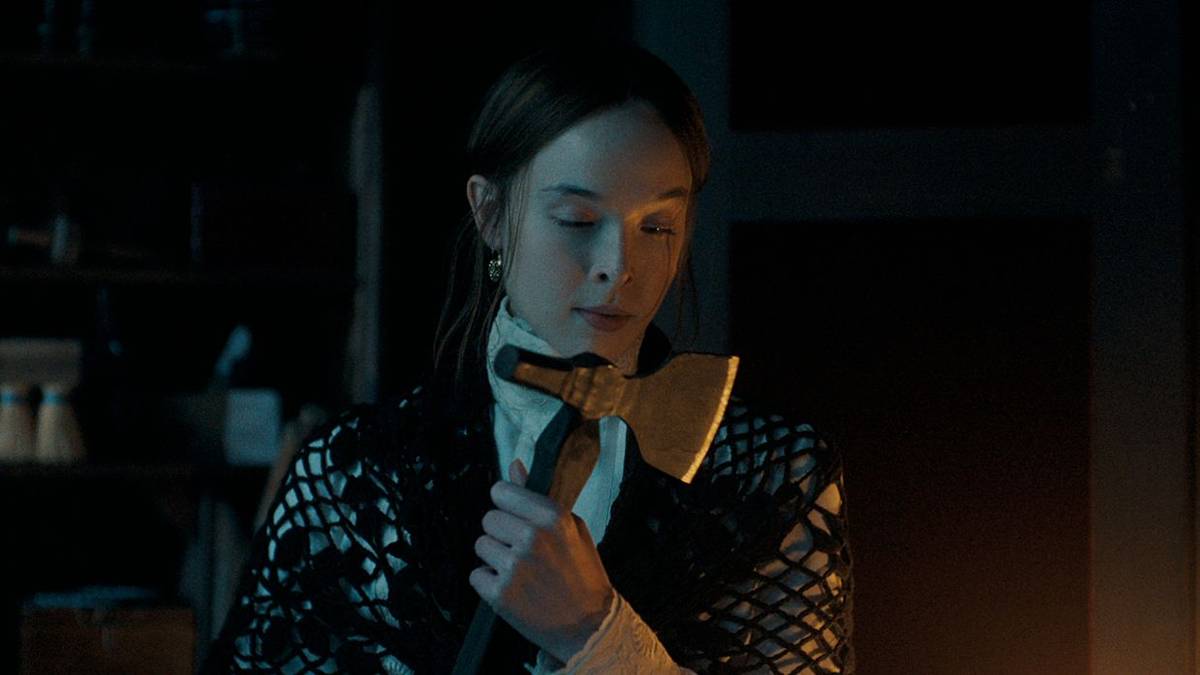
The core problem is that Borden herself is a riveting subject. Acquitted of the axe murders of her father and stepmother, she remains an enigma. The show raises intriguing questions about her possible motivations—repressed sexuality, the constraints of Victorian womanhood, or mental illness—but never commits to any of them. Over eight episodes, it toys with these ideas in graphic, often bloody set pieces, yet fails to deliver a satisfying psychological portrait. Instead, the spotlight is shared, and Borden's story gets diluted.
This is a shame because the potential was there. A focused examination of Borden could have been a standout entry in the Monster canon. Instead, the season feels like a missed opportunity, a case of trying to do too much and achieving too little. As ranking every Ryan Murphy Monster season shows, the series has set a high bar, and this installment falls short.
Despite the critical mixed reception, the show has drawn significant viewership, racking up 12 million views. But numbers don't tell the whole story. The creative decision to intertwine three killers' narratives, while ambitious, ultimately hurts the season's coherence. It's a lesson that sometimes less is more, especially when dealing with a figure as complex as Lizzie Borden.
As Monster continues to evolve, one hopes future seasons will return to the focused approach that made its earlier installments so compelling. For now, The Lizzie Borden Story stands as a cautionary tale about the dangers of overcomplicating a good thing.