If you've watched TV in the last decade, you've likely encountered the work of Max Winkler. From Ryan Murphy's anthology series like American Horror Story and Feud to comedies like New Girl and Crazy Ex-Girlfriend, his directing credits are as varied as they are impressive. His filmography also includes the indie dramedy Flower and the sports drama Jungleland.
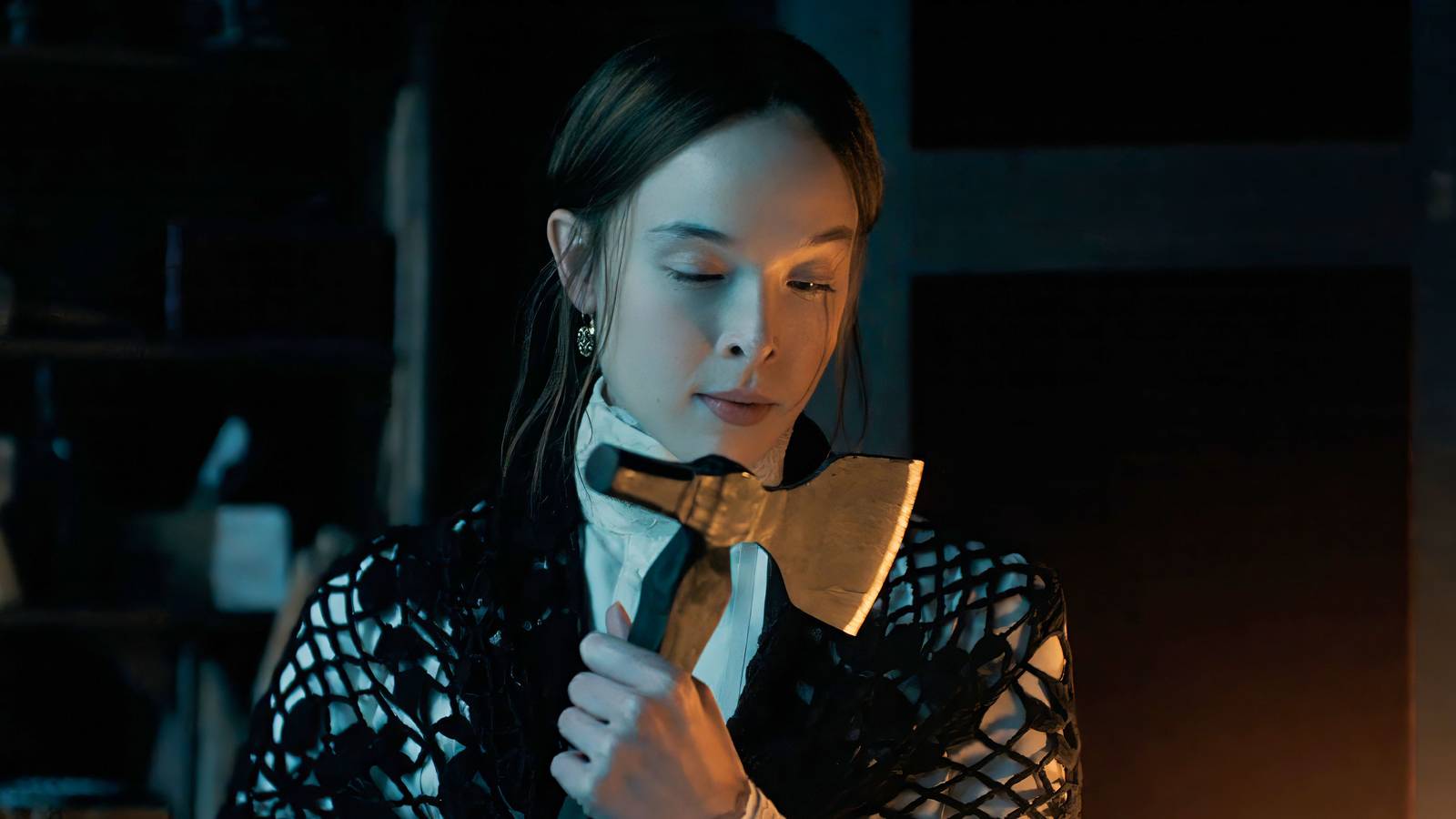
Now, Winkler has reunited with Murphy and Ian Brennan for Monster: The Lizzie Borden Story, starring Ella Beatty as the infamous Fall River woman accused of murdering her parents with an axe in 1892. Unlike previous Monster installments, this season leans into a darkly comedic tone, complete with a visual style that matches its zany energy. In a recent interview, Winkler opened up about crafting the show's look, the love story at its heart, and the practical challenges of filming that unforgettable vomit scene.
A Visual Language Inspired by Acid and Classic Cinema
Winkler and cinematographer Michael Bauman, an Oscar nominee this year, set out to make the series feel "berserk and crazy." Their rules? "Let's be on acid," Winkler joked. That ethos is evident in the show's iris shots and frenetic camera movements. He drew inspiration from Powell and Pressburger's theatrical lighting, Joe Wright's gritty period realism in Pride & Prejudice, and the deliberate camera work of Atonement. He also cited The Age of Innocence, South Park, and the farcical play Noises Off as touchstones for the show's rhythm of characters constantly entering and exiting rooms.
When asked about his proudest shot, Winkler deflected, saying he cares more about the actors than the visuals. "I love Nancy O'Neill smoking a cigarette, pissing in a chamber pot, and putting in her fake teeth," he said. "I love everything Rebecca Hall does. I love Vicky cleaning the couch. I love Ella standing with the tea like a freak." His goal was to create a safe space for the ensemble to experiment and deliver weird, fearless performances.
A Love Story at Its Core
Winkler revealed that he views the season as a love story between Lizzie and Bridget, played by Rebecca Hall. "That was my North Star," he said. The chemistry between the two actors was palpable, and Hall's choices—like the socks and stirrups she wore without telling anyone—added unexpected layers of sensuality. The couch-cleaning scene, with its romantic dissolves, was designed to be a "crack in the paint" that unlocks the repressed world of the story.
Shooting the Vomit Scene Practically
One of the most talked-about moments is the projectile vomit scene, which Winkler insisted on shooting practically. "It was like preparing for a stunt," he explained. The scene required careful choreography and special effects to achieve the right look without relying on CGI. Winkler's dedication to practical effects is a hallmark of his style, and it paid off in a moment that is both shocking and darkly funny.
For fans of Charlie Hunnam's hilarious fear on set, the vomit scene is just one of many memorable moments. The show also features a cameo from Aileen Wuornos, adding another layer of intrigue. And if you're curious about Ella Beatty's fiery chemistry with her co-stars, the series delivers in spades.
Monster: The Lizzie Borden Story is now streaming on Netflix. For more on the show's unique approach, check out Rebecca Hall teasing the next Monster story.